
Short Answer
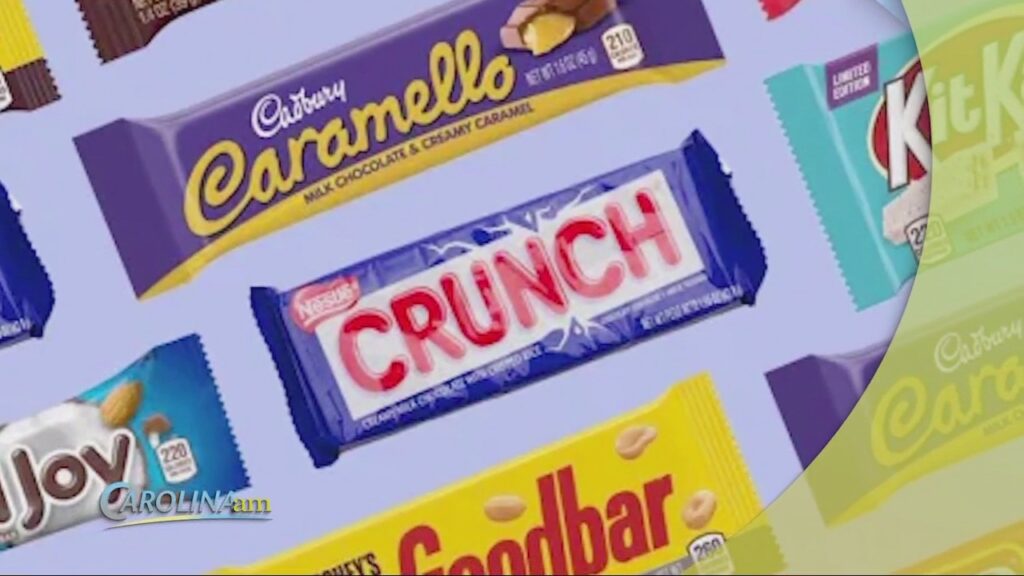
Candy has long been a delightful indulgence, captivating both young and old with its vibrant colors, whimsical shapes, and mouthwatering flavors. However, hidden beneath the sugary surface lies a darker truth: some candy varieties exemplify the pinnacle of unhealthiness. This exploration of the top 10 most unhealthy candies in the world will reveal their deleterious ingredients, extravagant sugar content, and significant caloric burden, while shedding light on the consequences of their consumption.
1. Cotton Candy
Cotton candy may appear as an enchanting, ethereal treat, but its deceptive allure conceals a staggering nutritional void. Primarily composed of sugar and artificial flavoring agents, a mere serving can harbor over 30 grams of sugar. This omnipresent sugar can spike blood glucose levels, contributing to energy crashes shortly thereafter. Furthermore, with negligible nutritional value, cotton candy epitomizes empty calories.
2. Skittles
The iconic rainbow-colored Skittles, while tantalizing and flavorful, are a formidable contender on the list of unhealthy candies. Packed with artificial colors, flavors, and sweeteners, these bite-sized morsels present not just sugar content—often exceeding 40 grams per serving—but also potent food additives that have been associated with a range of health issues. The high glycemic index also holds the potential to spur insulin resistance in frequent consumers.
3. Sour Patch Kids
Deceptively cute and sour at first bite, Sour Patch Kids have lured many into an unrelenting sugar spiral. Comprised of sugar, corn syrup, and a mosaic of artificial flavors and colors, these chewy confections can deliver a staggering 37 grams of sugar per serving. The combination of intense sweetness and chemical flavorings can wreak havoc on your palate and well-being, often leaving consumers with little more than regret.
4. Reese’s Peanut Butter Cups
Peanut butter and chocolate may seem like a divine pairing, but the notorious Reese’s Peanut Butter Cups deliver a shockingly high caloric punch. Each cup contains copious amounts of sugar—approximately 21 grams—and saturated fats. Furthermore, while the allure of the peanut butter may lead consumers to overlook health implications, many varieties contain hydrogenated oils that pose cardiovascular risks.
5. Twizzlers
For aficionados of chewy, licorice-like confections, Twizzlers present a false sense of healthiness. Although marketed as a low-fat treat, they are heavily laden with sugar and artificial flavorings. A single serving can exceed 30 grams of sugar, while the absence of beneficial nutrients renders them a dubious snack choice with little redeeming value. The chewy texture masks the potential harm they inflict upon your metabolism.
6. Butterfinger
The crispy, flaky allure of a Butterfinger belies its unwholesome nature. Encased in a chocolate shell, the bar flaunts an unsettling amount of sugar and fats—over 25 grams of sugar and a substantial portion of saturated fats exist within. The blend of high fructose corn syrup exacerbates the health risk, ultimately heralding this candy as one that teeters precariously on the edge of dietary ambrosia and caloric catastrophe.
7. M&M’s
A perennial favorite, M&M’s shine as the quintessential candy-coated chocolate. Unfortunately, they are not without their pitfalls. A standard package can contain an alarming 30 grams of sugar, and the inclusion of hydrogenated oils increases health-related concerns, particularly regarding cardiovascular health. The vibrant colors emanating from artificial dyes add another layer of concern, reigniting debates about potential connections to hyperactivity in children.
8. Gummy Bears
These gelatinous morsels may seem innocent and playful, but gummy bears carry an alarming sugar content—often exceeding 30 grams per serving. The high levels of corn syrup and artificial flavor profiles contribute to a product devoid of any nutritional benefits. The highly processed nature of gummy bears also poses challenges for digestion, leaving them on the low end of the health spectrum.
9. Kit Kat
The iconic Kit Kat bar, a chocolate delight with a waffled core, boasts an attractive facade. However, one must consider the staggering implications of its sugar content, which can reach over 22 grams per serving. This candy, while certainly enjoyable, contains a concoction of processed ingredients including high fructose corn syrup and palm oil, direly undercutting its festive reputation.
10. Candy Corn
Often synonymous with Halloween, candy corn may delight the eye but offers little in terms of actual sustenance. Composed primarily of sugar and corn syrup, the quintessential autumn treat delivers around 28 grams of sugar per serving. The absence of any nutrients and the abundance of synthetic flavors create a confection that unequivocally exemplifies excessive indulgence without the slightest nod to health.
In conclusion, while candy can serve as joyous treat that evokes fond memories, it is crucial to approach these sugary delights with awareness. The deceptive packaging and marketing of these sugary titans obscure the harsh reality of their unhealthy components. From excessive sugar content to copious artificial additives, the most unhealthy candies in the world serve as stark reminders of the importance of moderation and mindful consumption. As you traverse the aisles of your local store, may this guide illuminate the sugary minefield that is the candy section, ultimately empowering you to make more informed choices.
FAQ
What makes a candy unhealthy?
Candies are considered unhealthy mainly due to excessive sugar content, presence of artificial colors and flavors, unhealthy fats, and lack of nutritional value.
Are artificial additives harmful in candies?
Some artificial additives have been linked to health concerns like hyperactivity, allergic reactions, and metabolic issues, especially when consumed frequently.
How can I reduce candy consumption healthily?
Opt for smaller portions, choose candies with natural ingredients, limit frequency, and balance with a nutritious diet.




Leave a Reply