
Short Answer
In a world teeming with biodiversity, some creatures elude our collective gaze, remaining shrouded in mystery due to their sheer rarity. The fascination with rare animals transcends mere observation; it invites us into the depths of ecological wonder and the underlying threads that weave the tapestry of life. As we delve into the top ten most rare animals on the planet, we uncover the fragile existence of these remarkable beings, highlighting not just their uniqueness but also the profound reasons behind their rarity—hinting at larger environmental narratives and conversations on conservation.
1. Vaquita
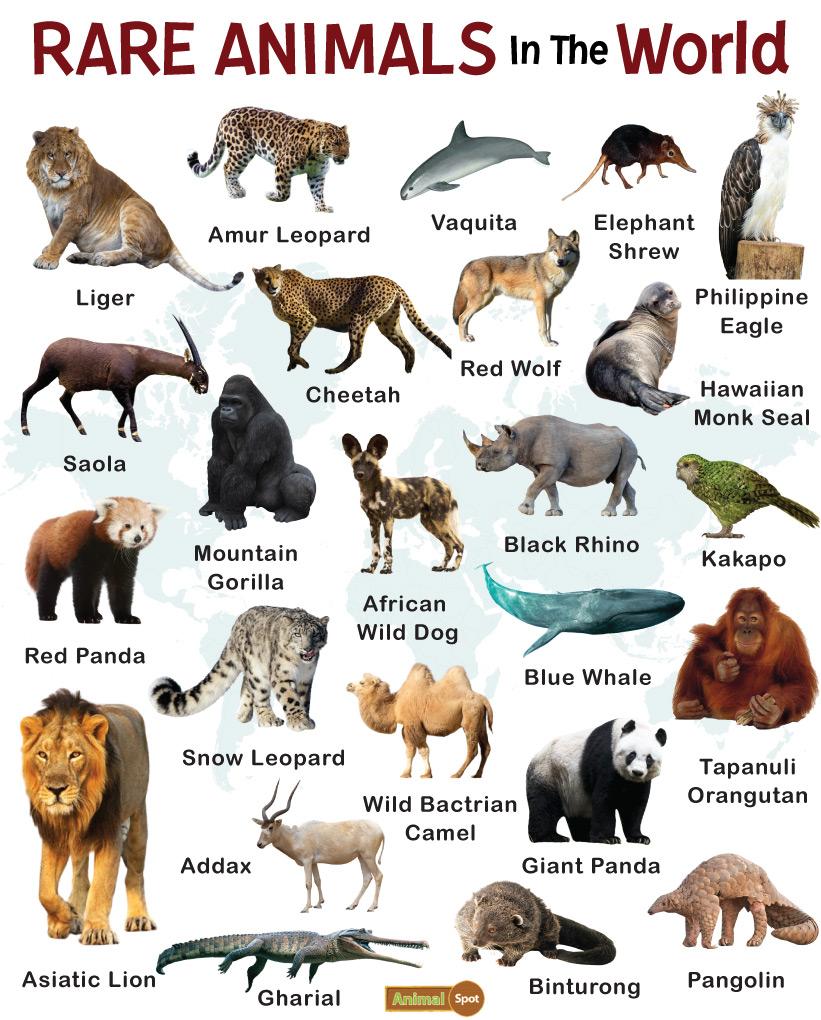
Arguably the most endangered marine mammal, the Vaquita (Phocoena sinus) resides exclusively in the northern parts of the Gulf of California. With fewer than 30 individuals estimated to remain, this small porpoise faces extinction primarily due to bycatch from illegal fishing practices. The Vaquita’s plight serves as a poignant reminder of the delicate balance within marine ecosystems and the catastrophic consequences of human negligence. Their striking appearance, characterized by a rounded body and distinctive dark rings around their eyes, adds to their allure; yet it is their tragic circumstances that command our attention and empathy.
2. Amur Leopard
The Amur leopard (Panthera pardus orientalis) inhabits the temperate forests of the Russian Far East and northeast China. With a population of around 100 individuals, this elusive feline is one of the rarest big cats on Earth. Poaching, habitat loss, and prey depletion significantly threaten its survival. The Amur leopard captivates with its ethereal beauty, boasting a dense, spotted coat adapted for both camouflage and warmth. However, its dwindling numbers compel us to confront the implications of habitat destruction and the ongoing battle to protect these majestic predators from looming extinction.
3. Javan Rhinoceros
With a population teetering at approximately 80 individuals, the Javan rhinoceros (Rhinoceros sondaicus) is the most endangered of all rhino species, confined to the Ujung Kulon National Park in Indonesia. Their rarity is exacerbated by poaching and habitat encroachment, driven by agricultural expansion. This solitary creature, with its distinctive single horn, is an emblem of the urgent need for targeted conservation efforts. The Javan rhinoceros symbolizes the broader conundrum of wildlife protection in the face of human advancement, prompting reflection on our responsibility towards preserving Earth’s natural heritage.
4. Kakapo
The Kakapo (Strigops habroptilus), a flightless parrot from New Zealand, has a mere 252 individuals remaining in carefully managed conservation sites. This nocturnal bird is remarkable not only for its vibrant green plumage but also for its unique breeding system, which involves communal lekking. Once on the brink of extinction due to introduced predators, the Kakapo has become a symbol of successful conservation efforts. However, the fragility of its existence remains that of a delicate dance, urging us to consider the intricate relationships within ecosystems and the impacts of human activity.
5. Saola
Often dubbed the “Asian unicorn,” the Saola (Pseudoryx nghetinhensis) was only discovered in 1992 and has since captured the imagination of wildlife enthusiasts. With population estimates ranging in the low hundreds, this enigmatic bovine is native to the Annamite Range of Vietnam and Laos. Threatened by habitat loss and hunting, the Saola’s elusive nature adds to its mystery, embodying the awe-inspiring yet precarious nature of biodiversity. The continuing saga of the Saola challenges our understanding of conservation; it is a call to action to protect lesser-known species that may hold the key to ecological balance.
6. Northern White Rhinoceros
With the last two living specimens residing in reserves in Kenya, the Northern white rhinoceros (Ceratotherium simum cottoni) teeters on the brink of extinction due to rampant poaching. Their situation is a sobering testament to humanity’s impact on wildlife, as aggressive conservation efforts are now focused on advanced reproductive technologies in hopes of reviving the subspecies. The Northern white rhino’s plight serves as a clarion call, highlighting the urgent need for intensive protective measures and international collaboration to halt the cascade of extinction.
7. Sumatran Orangutan
Exemplifying the richness of Indonesia’s forests, the Sumatran orangutan (Pongo abelii) is critically endangered due to habitat loss caused by logging and palm oil plantations. With fewer than 14,000 individuals remaining, this intelligent primate garners attention for its profound social structures and complex behaviors. As we observe their struggles, we begin to unravel deeper ecological narratives about deforestation and its cascading effects on biodiversity, compelling us to rethink our consumption patterns and ecological footprints.
8. Bornean Pygmy Elephant
As the smallest subspecies of Asian elephants, Bornean pygmy elephants (Elephas maximus borneensis) inhabit the rainforests of Borneo. With a population of around 1,500 individuals, they face threats from habitat destruction, poaching, and human-elephant conflict. These gentle giants exhibit sophisticated social dynamics, yet their existence hangs in the balance due to anthropogenic pressures. Their plight highlights the critical intersection of wildlife conservation and community engagement to foster coexistence.
9. California Condor
Once teetering on the brink of extinction with only 27 California condors (Gymnogyps californianus) in existence in the late 20th century, extensive recovery programs have bolstered their numbers to over 500 today. Yet, they remain critically endangered, grappling with lead poisoning and habitat loss. This majestic bird, with its impressive wingspan, offers insight into the successes and ongoing challenges of conservation efforts; it beckons us to consider our influence on avian populations and the ecosystems they inhabit.
10. Yangtze Giant Softshell Turtle
With only three known individuals left, the Yangtze giant softshell turtle (Rafetus swinhoei) is one of the world’s rarest and most critically endangered freshwater species. Habitat degradation and over-exploitation have drastically reduced their populations. Their unique morphology and ancient lineage evoke a sense of wonder, yet their precarious status underscores the profound urgency for conservation initiatives aimed at preserving the integrity of aquatic ecosystems.
In conclusion, the tapestry of life is replete with awe-inspiring yet vulnerable species that beckon our attention. Each rare animal on this list embodies a unique narrative of survival, resilience, and the profound interconnectedness of life on Earth. As we engage with these magnificent creatures, we are reminded that the fate of these rare animals lies not just in the hands of dedicated conservationists, but also in the collective responsibility of humanity to safeguard our planet’s biodiversity. Their rarity serves not only as a poignant symbol of loss but also as an invitation for us to become stewards of the world we inhabit.
FAQ
What defines an animal as rare?
An animal is considered rare when it has a very low population size, limited habitat range, or faces significant threats that put it at risk of extinction.
Why are some animals so rare?
Animals become rare due to factors such as habitat destruction, poaching, environmental changes, limited reproductive rates, and human activity.
What can be done to protect rare animals?
Protection efforts include habitat conservation, anti-poaching laws, breeding programs, environmental awareness, and international collaboration.
Are any of the rare animals recovering in population?
Yes, for example, the California Condor has seen population increases due to extensive recovery programs, although it remains critically endangered.
How does the rarity of animals affect ecosystems?
Rare animals often play unique roles in ecosystems, and their loss can disrupt ecological balance, affecting biodiversity and ecosystem functions.





Leave a Reply