
Short Answer
Throughout history, military prowess has served as a fundamental pillar of national strength and security. The modern world witnesses ever-evolving technologies and strategies that shape the capabilities of military forces. Here, we delve into the top ten most powerful armies globally, considering various factors including personnel strength, technological advancements, logistical capabilities, and geopolitical influence. This exploration provides an informative glimpse into the annals of contemporary military power.
1. United States Armed Forces
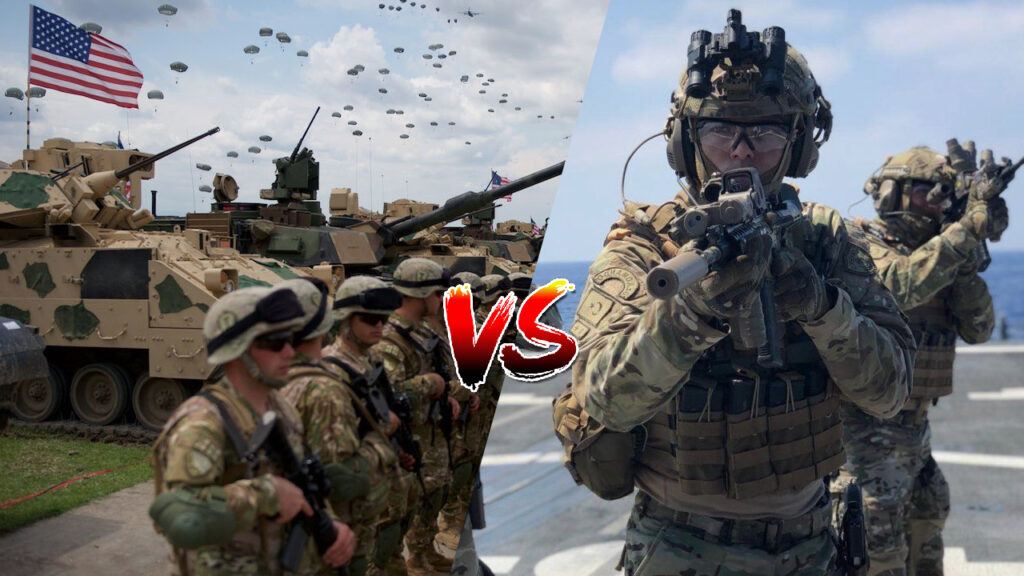
Undoubtedly at the zenith of military power, the United States Armed Forces boast an unparalleled budget, advanced technology, and extensive global reach. With over 1.3 million active-duty personnel and an additional 800,000 in reserve, the U.S. military is equipped with cutting-edge weaponry, including stealth bombers, aircraft carriers, and a vast nuclear arsenal. The nation’s amphibious, airborne, and cyber capabilities position it as a formidable force that advocates for strategic deterrence and global stability.
2. Russian Armed Forces
With a history intertwined with military might, Russia possesses a potent arsenal that reflects its geopolitical ambitions. The military comprises approximately 1 million active personnel and over two million reservists. Russian forces excel in heavy artillery, armored divisions, and advanced missile systems. The nation’s comprehensive approach to hybrid warfare leverages traditional military capabilities alongside cyber warfare and information operations, ensuring its stance as a critical player on the world stage.
3. People’s Liberation Army (PLA) of China
The PLA has emerged as a significant military force, attributed to extensive modernization and strategic expansion. With around 2 million active-duty personnel, it retains the title as the world’s largest standing army. China’s investments in naval power, missile defense systems, and advanced technology, including artificial intelligence and drones, have dramatically enhanced its operational capabilities. The PLA’s strategic initiatives over the South China Sea assert its ambition to dominate regional power dynamics.
4. Indian Armed Forces
India’s military stands as one of the largest and most capable in the world, with an active-duty personnel count exceeding 1.4 million. The country possesses potent medium and heavy artillery, an impressive array of aircraft, and burgeoning naval capabilities. Notably, India’s defense sector is marked by a blend of indigenous development and collaborative international partnerships, which bolster its strategic autonomy while enhancing its ability to respond to regional challenges.
5. United Kingdom Armed Forces
Despite its relatively smaller size, the United Kingdom Armed Forces maintain a formidable reputation backed by cutting-edge technology and a well-trained cadre of personnel, approximately 200,000 strong. The British military is known for its naval prowess, highlighted by the Queen Elizabeth-class aircraft carriers, and its agile infantry units. Additionally, the UK has robust strategic alliances, notably with NATO, and actively engages in global peacekeeping missions that underscore its military influence.
6. French Armed Forces
The French military, with a personnel strength of around 204,000, combines a robust approach to modern warfare with historical military tradition. It is distinguished by a highly capable navy, advanced air force, and elite special operations units. France’s strong nuclear arsenal and global military presence enable it to exert considerable influence, particularly in Africa and the Middle East, where it often plays a critical role in stabilization efforts and anti-terrorism campaigns.
7. North Korean Military
Although often cited for its unconventional strategies, the North Korean military commands attention with approximately 1.2 million active personnel, supported by one of the highest military spending ratios in the world relative to its GDP. Its focus on less advanced yet effective artillery and missile systems, coupled with a robust nuclear program, poses a unique challenge to global security. North Korea’s military doctrine emphasizes large-scale mobilization, unconventional warfare, and asymmetric capabilities.
8. Japan Self-Defense Forces (JSDF)
Japan’s Self-Defense Forces, totaling around 250,000 active personnel, exemplify a unique approach shaped by constitutional constraints yet empowered by advanced technology. Following its post-World War II pacifism, Japan has invested significantly in its naval and air capabilities, underscoring a propensity for maritime security. The JSDF’s focus on humanitarian missions and disaster response reinforces its readiness to engage in international cooperative security efforts.
9. Brazilian Armed Forces
Brazil boasts the largest military in South America, with an active-duty strength approaching 350,000. Renowned for its ability to operate in diverse environments, Brazil has been pivotal in various peacekeeping missions across the globe. The Brazilian military emphasizes modernization through investments in naval power and technological advancements, which equip it to address both domestic and regional security challenges effectively.
10. Turkish Armed Forces
With a personnel count exceeding 400,000, Turkey maintains a militarily potent force relative to its geo-strategic position at the crossroads of Europe and Asia. The Turkish Armed Forces are characterized by a substantial inventory of armored vehicles and a notable emphasis on drone technology. Turkey’s geographical position and active involvement in NATO collaborations enhance its military scope, while its regional interventions underscore its assertiveness in national defense policies.
In conclusion, these ten military powers represent the pinnacle of modern armed forces, each with unique strengths, strategic visions, and capabilities. From extensive manpower to technological supremacy, these nations wield military influence that extends beyond borders, shaping international relations and geopolitical landscapes. As the global security environment continues to evolve, the significance of these powerful armies remains pivotal in maintaining regional stability and addressing emerging challenges.
FAQ
What criteria determine the ranking of the most powerful armies?
Rankings are based on personnel strength, technological advancement, logistical capabilities, budget, and geopolitical influence.
Which country has the largest standing army?
China’s People’s Liberation Army (PLA) is the world’s largest standing army with approximately 2 million active-duty personnel.
How does technology impact military power?
Advanced technology such as stealth aircraft, cyber capabilities, drones, and missile defense systems significantly enhance a military’s operational effectiveness and strategic reach.
Why is the United States considered the most powerful army?
The U.S. Armed Forces have the largest budget, cutting-edge technology, extensive global reach, and a vast nuclear arsenal, making it the most formidable military power.





Leave a Reply