
Short Answer
Throughout human history, cultures across the globe have conjured myriad tales of legendary monsters. These enigmatic creatures, steeped in folklore, embody humanity’s primal fears, desires, and the inexplicable mysteries of the unknown. They elicit a sense of awe and terror, blurring the line between myth and reality. But what is it about these monstrous beings that continues to captivate our collective imagination? The answer often lies in both their allegorical significance and our innate fascination with the dark, the unknown, and the fantastical. Here, we delve into the top 10 legendary monsters whose enduring legacies remain deeply entwined with the human experience.
1. The Dragon
Dragons, perhaps the most recognized of all legendary monsters, loom large in the lore of various cultures, from Eastern to Western traditions. Often embodying wisdom, strength, and elemental power, dragons represent both the destructive and creative forces of nature. In Western narratives, they are frequently depicted as malevolent beasts, hoarding treasure and guarding ancient secrets. Conversely, in the East, they are viewed as benevolent guardians, symbolizing prosperity and good fortune. This duality captivates us, reflecting our own complexities and struggles with morality.
2. Bigfoot
This elusive creature, said to roam the uncharted forested regions of North America, ignites curiosity and skepticism in equal measure. The legend of Bigfoot highlights humanity’s fascination with the wilderness and our quest for connection with the more primitive aspects of life. Perhaps it also serves as a metaphor for the yet-unexplored shadows of our world, prompting us to consider what else might exist beyond the perimeter of our mundane realities. The search for Bigfoot is as much about exploration as it is about confronting our fears of the unknown.
3. The Chupacabra
The Chupacabra, a creature infamous for its alleged attacks on livestock in Latin America, has evolved into a symbol of cultural anxiety, representing fears related to modernity and environmental disruption. Its name translates to “goat-sucker,” and its grotesque appearance plays on our innate dread of the monstrous as well as the foreign. The Chupacabra narrative amalgamates myth and reality, serving as a cautionary tale about the balance between humanity and nature. As urban sprawl encroaches upon natural habitats, the Chupacabra remains a metaphor for the consequences of disruption.
4. The Kraken
This legendary sea monster, said to dwell off the coasts of Norway and Greenland, embodies humanity’s long-standing fear of the ocean’s vast undiscovered depths. The Kraken’s gargantuan size and terrifying tentacles evoke a sense of wonder mingled with dread, channeling our primordial fears of what lies beneath the waves. The Kraken story invites reflections on the uncharted territories of our own lives, serving as a potent reminder that not everything is meant to be known or controlled.
5. Werewolves
The transformation from human to beast captures the duality inherent within humanity. Werewolves symbolize the latent savagery that lies beneath the surface of civilized behavior. This metamorphosis reflects our struggle against the carnal instincts that reside within us all—a compelling narrative regarding the battle between our beastly instincts and moral compass. The myth of the werewolf incites not only horror but also a deeper exploration of identity and the societal norms that govern our impulses.
6. The Mokele-Mbembe
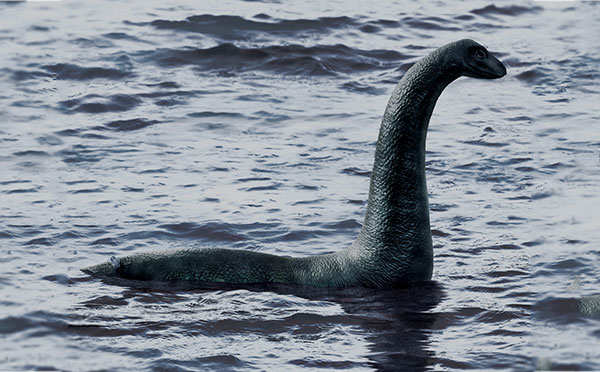
Deep in the Congo River Basin lurks the Mokele-Mbembe, a creature reminiscent of a long-extinct dinosaur. Sightings of this creature have sparked captivation and exploration, intertwining folklore with the allure of undiscovered species. The Mokele-Mbembe serves as both a testament to the human quest for exploration and a symbol of the uncharted mysteries that still await us in remote parts of the Earth. This endless curiosity fosters a tenuous connection with the past and the possibility that life may harbor secrets undreamt.
7. The Wendigo
Originating from Algonquian folklore, the Wendigo represents gluttony, insatiable greed, and the chilling consequences of losing one’s humanity. Its spectral nature serves as a cautionary tale about the dangers of excess and the dark side of ambition. As a symbol, the Wendigo challenges us to consider the moral implications of our desires in a world driven by competition and consumption. The perennial relevance of this legend resonates with modern audiences grappling with similar ethical dilemmas.
8. The Yeti
Known as the Abominable Snowman, the Yeti is revered in Himalayan folklore and has become a cultural touchstone for exploration in harsh environments. This creature evokes the mystique of mountainous terrains that have long resisted full human exploration. The Yeti embodies humanity’s yearning for discovery amid peril and the paradoxical excitement and trepidation associated with venturing into the unknown. Its compelling presence encourages profound reflection on our limits and the frontiers that lie ahead.
9. The Banshee
This harbinger of death from Irish mythology is an ethereal figure, often perceived as a wailing woman. The Banshee encapsulates themes of mortality, loss, and the inevitability of fate. Her cries alert listeners to impending doom, infusing the narrative with a somber beauty. The Banshee speaks to our eternal struggle with the concept of death, igniting contemplation of life’s transience and the emotional resonance of grief.
10. The Chimera
A mythical creature that unites elements of a lion, goat, and serpent, the Chimera symbolizes the chaotic amalgamation of conflicting qualities. Often associated with imbalance and unpredictability, the Chimera embodies the notion that beauty and terror can coexist. This duality reflects the complexity of the human psyche, encouraging exploration of our diverse identities and emotions. The Chimera remains a potent metaphor for the struggle to reconcile our multifaceted natures in an often-contradictory world.
Ultimately, these legendary monsters resonate with us, speaking to our deepest fears, desires, and existential queries. They provide insight into cultural values and human behavior while inviting us to confront the less understood aspects of existence. As we continue to grapple with the intricacies of modern life, the enduring allure of these monstrous tales reminds us that the line between reality and fantasy is often blurred, allowing us to derive wisdom from the shadows.
FAQ
What defines a legendary monster?
Legendary monsters are mythical creatures from folklore and cultural stories, often embodying symbolic meanings related to human fears, desires, and unexplained phenomena.
Why do people remain fascinated by legendary monsters?
People are fascinated by legendary monsters because they symbolize universal human experiences such as fear, mystery, morality, and the unknown, which continue to resonate across cultures and time.
Are any of these legendary monsters based on real animals or events?
Some legendary monsters, such as the Mokele-Mbembe, may be inspired by real animals or ancient creatures, while others are purely symbolic or allegorical in nature.
How do different cultures portray dragons?
Eastern cultures often view dragons as benevolent and symbols of prosperity, while Western cultures typically depict them as malevolent beasts guarding treasures.
What role do legendary monsters play in modern media and culture?
Legendary monsters continue to inspire stories, movies, games, and art, serving as metaphors for human emotions and societal issues while fueling imagination and entertainment.





Leave a Reply