
Short Answer
As we approach the year 2026, urbanization continues to burgeon, resulting in a paradox that many of our world’s most beloved cities also stand as some of the most polluted. This troubling phenomenon invites intrigue and concern, beckoning us to explore the underlying dynamics that contribute to air quality degradation. Understanding the top ten polluted cities requires not only a glance at statistics but a comprehensive dissection of environmental policies, industrial practices, population growth, and geographic conditions. Herein lies a detailed exploration of the most polluted cities as of 2026, showcasing an amalgamation of familiar locations and emerging areas of environmental neglect.
1. Delhi, India
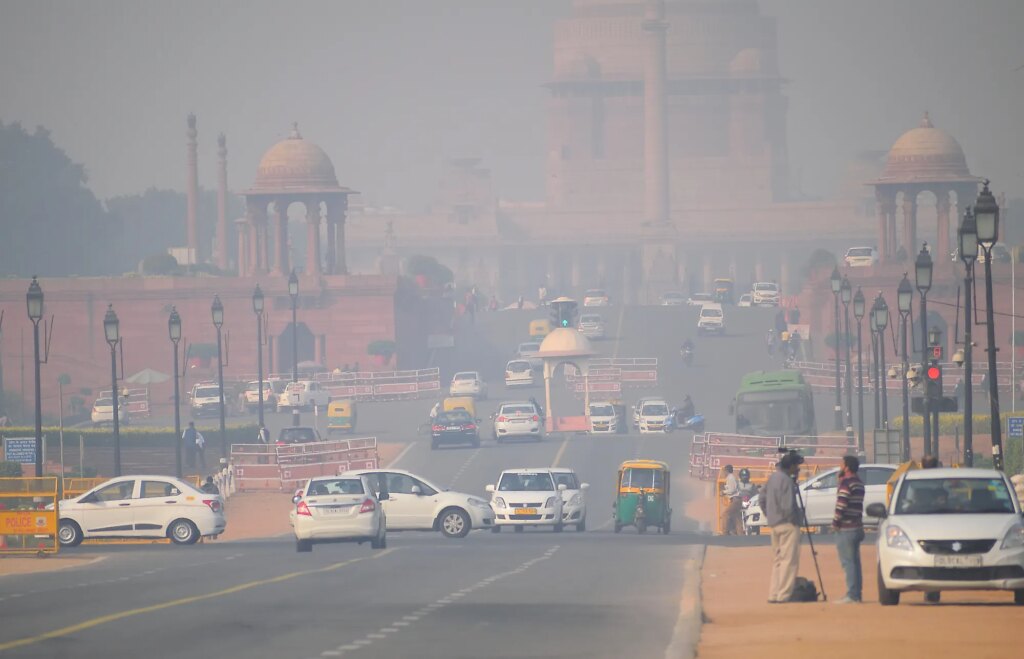
The capital city of India, Delhi, has persisted in retaining its infamous reputation as one of the most polluted cities worldwide. Stifling smog envelops the city as a combination of vehicular emissions, industrial waste, and seasonal agricultural burning synergize to compromise air quality. This amalgam of factors results in hazardous particulate matter, which daily assails the lungs of its millions of inhabitants.
2. Lahore, Pakistan
Lahore has acquiesced its space as a cultural hub plagued by severe air pollution. The city’s juxtaposition of increasing industrial activity and burgeoning population growth generates a perfect storm. Factors contributing to the ambiance of pollution include the burning of crops in adjacent regions and a reliance on fossil fuel-powered transport. The resultant air quality levels prompt health advisories, as the populace grapples with respiratory ailments.
3. Dhaka, Bangladesh
The densely packed capital of Bangladesh, Dhaka, is an emblem of chronic pollution plaguing urban centers. Heavy traffic congestion is exacerbated by a lack of effective public transportation systems, leading to significant levels of emissions. In addition, construction dust and waste management inadequacies compound the air quality crisis. The juxtaposition of economic opportunities against environmental degradation generates a compelling narrative about urban survival in the face of adversity.
4. Kathmandu, Nepal
The picturesque backdrop of the Himalayas starkly contrasts with the grim reality of air pollution that plagues Kathmandu. The city’s rapid population growth, alongside unmitigated urban development, results in pervasive vehicular pollution and construction debris. Additionally, geographic factors, such as being encased in a valley, trap pollutants, rendering the already subpar air quality even more detrimental. This delicate interplay paints Kathmandu as a city in the throes of an environmental quandary.
5. Ulaanbaatar, Mongolia
Ulaanbaatar stands apart with its unique confluence of pollution challenges. Known for its harsh winters, many residents rely on coal for heating, producing a significant amount of soot and particulate matter. The urban sprawl exacerbates the situation, giving rise to pollution levels that oscillate perilously close to hazardous thresholds. The struggle between preservation of traditional lifestyles and the need for cleaner energy remains a central narrative in the city.
6. Beijing, China
Once notorious for its air quality, Beijing has made strides in mitigation yet grapples with lingering pollution issues. Industrial emissions, vehicle exhaust, and unrelenting construction continue to compromise the city’s air quality. Initiatives aimed at promoting electric vehicles and cleaner energy sources represent a burgeoning hope, yet the scale of the challenge requires ongoing vigilance and innovative policy-making.
7. Mexico City, Mexico
Set against the backdrop of striking mountains, Mexico City experiences a complex relationship with pollution. Long known for its historical air quality issues, the city has achieved improvements due to stringent regulations. Nevertheless, factors such as thermal inversions and a population exceeding nine million contribute to persistent air quality challenges. This duality illustrates the delicate balance between urban growth and environmental stewardship.
8. Cairo, Egypt
Cairo’s vibrant historical tapestry is overshadowed by the pervasive veil of pollution that hangs over the city. With a growing population that surpasses 20 million, vehicular emissions and industrial outputs amalgamate to create a toxic air sphere. Waste management issues further compound the problem, encapsulating Cairo in a complex web of environmental neglect amidst economic imperatives. The city’s struggle with pollution becomes a reflection of broader societal challenges.
9. Karachi, Pakistan
The bustling metropolis of Karachi is emblematic of urbanization challenges in a developing context. Rapid population increase combined with inadequate infrastructure leads to significant levels of pollution, exacerbated by industrial discharges and vehicular emissions. The lack of stringent environmental regulations further complicates the scenario, urging a collective reevaluation of urban planning processes focused on sustainability.
10. Lagos, Nigeria
Lagos, a city marked by its vibrant culture and economic potential, stands as a paradox in pollution discussions. Caravan-like traffic jams create a cocktail of emissions that permeate the city atmosphere. Inconsistent waste disposal practices complement the overwhelming urbanization pace, highlighting the urgent need for infrastructural improvements. The narrative of Lagos encapsulates an urgent call to action for policymakers to prioritize environmental health.
As we reflect upon these ten polluted cities, a deeper narrative of resilience, adaptation, and urgent need for innovation unfolds. While the statistics can appear grim, they also spotlight the potential for transformative action. Our global landscape serves as a canvas for integrating environmental policies that prioritize air quality and public health as an enduring legacy for future generations. Understanding and addressing the complexities of urban pollution serves as not just an environmental responsibility but a genuine opportunity for outreach, collaboration, and constructive change.
FAQ
What causes the high pollution levels in the top polluted cities?
High pollution levels are caused by a combination of factors including heavy traffic, industrial emissions, burning of agricultural waste, coal heating, and geographic conditions that trap pollutants.
Which city is considered the most polluted in 2026?
Delhi, India is often cited as one of the most polluted cities due to a combination of vehicle emissions, industrial waste, and seasonal crop burning.
What health issues are linked to pollution in these cities?
Residents in these cities face increased risks of respiratory illnesses, heart disease, and other pollution-related health problems.
Are there effective measures to improve air quality in these cities?
Some cities have implemented stricter regulations, promoted electric vehicles, and cleaner energy sources, but ongoing efforts and innovation are needed to achieve significant improvements.
Leave a Reply