
Short Answer
Have you ever wondered which creatures share our planet and possess the power to deliver a lethal dose of poison? Picture yourself exploring a colorful coral reef or a dense rainforest, only to encounter an unsuspecting animal that could spell disaster if provoked. Herein lies a thrilling opportunity: to discover the top 10 most poisonous animals in the world, as we unravel the complexities of nature’s lethal designs. Join us on this fascinating voyage through the animal kingdom as we explore these remarkable yet dangerous denizens.
1. Golden Poison Dart Frog
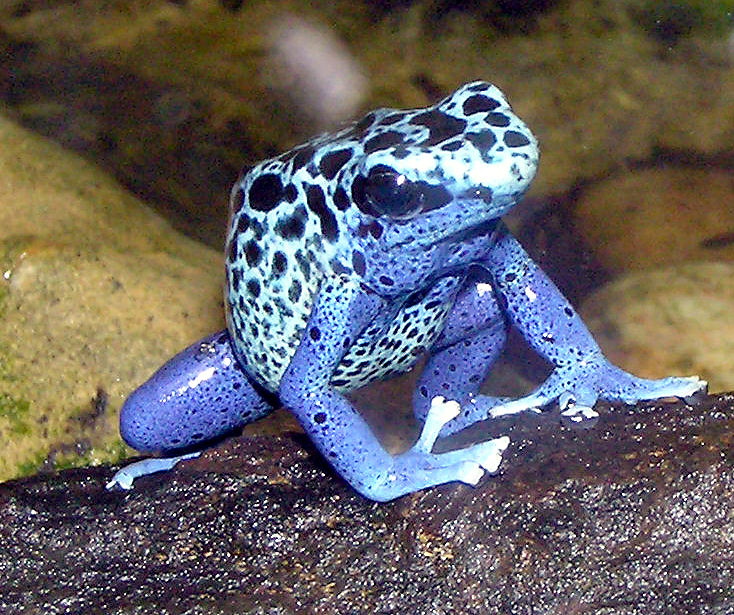
Vividly adorned with shades of yellow, the golden poison dart frog is a small but lethal inhabitant of Colombia’s rainforests. Weighing no more than two grams, this diminutive amphibian harbors enough potent toxin, batrachotoxin, to claim the lives of ten adult humans. These toxins are synthesized from the insects they consume, illustrating nature’s cunning ability to forge deadly connections. Imagine stumbling upon one; the mere act of touching it can deliver a harrowing consequence.
2. Box Jellyfish
Vaguely translucent and ethereal, the box jellyfish drifts through the waters of the Indo-Pacific region with an almost ghostly demeanor. Its tentacles are equipped with thousands of stinging cells that release a potent venom, capable of inflicting excruciating pain and even death in mere minutes. With a heart-stopping speed, it can incapacitate its prey—fish and even sea turtles—before they might even realize they are in danger. Swimming in these waters carries a cautionary note; avoid their path to stay unharmed!
3. Inland Taipan
Hailing from Australia, the inland taipan is recognized as the most venomous snake in the world. With a venom so toxic that it can take down a herd of cattle in minutes, this elusive serpent remains primarily within its dry habitat and seldom comes into contact with humans. It boasts the lethal capacity to deliver up to 110 mg of venom in a single bite, yet it is reclusive and typically avoids confrontation. The challenge? Spotting this serpentine enigma in the wild can be more daunting than you might expect!
4. Cone Snail
Residing along the ocean floor, the cone snail epitomizes beauty and danger in one delicate package. Its exquisitely patterned shell belies its deadly capabilities. Armed with a harpoon-like tooth, it injects potent venom to paralyze its prey, primarily small fish. The venom, which can affect the nervous system of humans, poses a significant risk if one is so unfortunate as to be stung. Admiring its beauty can turn into a poorly-timed misstep—all it takes is curiosity to unleash its fury.
5. Stonefish
Regarded as one of the world’s most venomous fish, the stonefish is a cunning master of disguise. Its camouflaged exterior seamlessly blends with rocky coral reefs and sand, making it nearly invisible to unsuspecting swimmers or divers—until it’s too late. The stonefish’s dorsal fin spines inject venom that can cause excruciating pain, shock, and even death. By stepping carelessly while traversing shallow waters, one might unwittingly encounter this aquatic predator. Approach with caution, and keep your eyes peeled!
6. Pufferfish
Pufferfish, or fugu, are renowned not only for their ability to inflate as a defense mechanism but also for their lethal poison—tetrodotoxin. Found in tropical and subtropical waters worldwide, this neurotoxin can stop a human heart in its tracks. Remarkably, some cultures view pufferfish as a delicacy, prepared by trained chefs capable of navigating its treacherous elements. Do you dare to indulge, or do you play it safe by admiring it from afar?
7. Poison Ivy Caterpillar
This seemingly harmless creature disguises itself through a vibrant green appearance. The poison ivy caterpillar secretes a toxin that can induce a painful rash upon contact. While often overlooked, its larval form possesses defense mechanisms that ensure its survival. Walking through forests, particularly those lush with greenery, requires vigilance—do you know how to identify and avoid this deceptively hazardous pest?
8. Blue-Ringed Octopus
With vibrant cobalt blue markings as enchanting as they are dangerous, the blue-ringed octopus is a marvel lurking in tidal pools and coral reefs of the Pacific and Indian Oceans. Its venom can paralyze humans, potentially leading to respiratory failure within minutes. Despite its diminutive size, it serves as a potent reminder of the ocean’s capriciousness. A playful underwater exploration could swiftly turn fraught if one gets too close!
9. Marbled Cone Snail
A relative of the earlier mentioned cone snail, the marbled cone snail possesses equally formidable venom. It utilizes a specialized tooth to execute a swift attack, incapacitating prey almost instantaneously. While humans are not its typical target, accidental encounters can lead to dire consequences. This creature’s stunning appearance hides a lethal secret—will you look beyond its beauty and respect its danger?
10. Deathstalker Scorpion
Enigmatic and feared, the deathstalker scorpion roams the deserts of North Africa and the Middle East. Its venom is a cocktail of neurotoxins that can cause severe pain, paralysis, and even fatality. Although not every sting proves lethal, the potential for dire outcomes makes it a creature to watch out for. Navigating its territory industriously could easily turn perilous, should one inadvertently disturb its lair.
In summation, the wonders of nature may entice you with their beauty and charm, but they also come with formidable consequences. Emphasizing a delicate balance, these top 10 most poisonous animals serve as a potent reminder of the vulnerabilities of our own existence within the natural world. As you embark on your adventures, carry this awareness with you, for curiosity can lead you to both breathtaking splendor and profound caution. Which of these creatures captures your imagination, and how will you ensure your safety in their company?
FAQ
What makes an animal poisonous?
An animal is considered poisonous if it produces toxins that can harm or kill other organisms when touched, ingested, or stung.
Are poisonous animals always dangerous to humans?
Not all poisonous animals pose a significant threat to humans; many use their toxins primarily for defense or hunting smaller prey.
How can I stay safe around poisonous animals?
Staying informed about the habitats and appearances of poisonous animals, avoiding direct contact, and seeking medical help immediately after a bite or sting are key safety measures.



Leave a Reply