
Short Answer
Anime is a medium that captivates millions worldwide with its diverse storytelling and expansive character arcs. Yet, with every beloved hero and heroine, there exists a counterbalance of characters that incite irritable feelings among fans. These detested figures often embody traits that irk viewers or unravel key plot points in ways that disappoint audiences. Here, we explore the ten most hated anime characters, shedding light on their unpopularity and what makes them loathed in the vast landscape of anime.
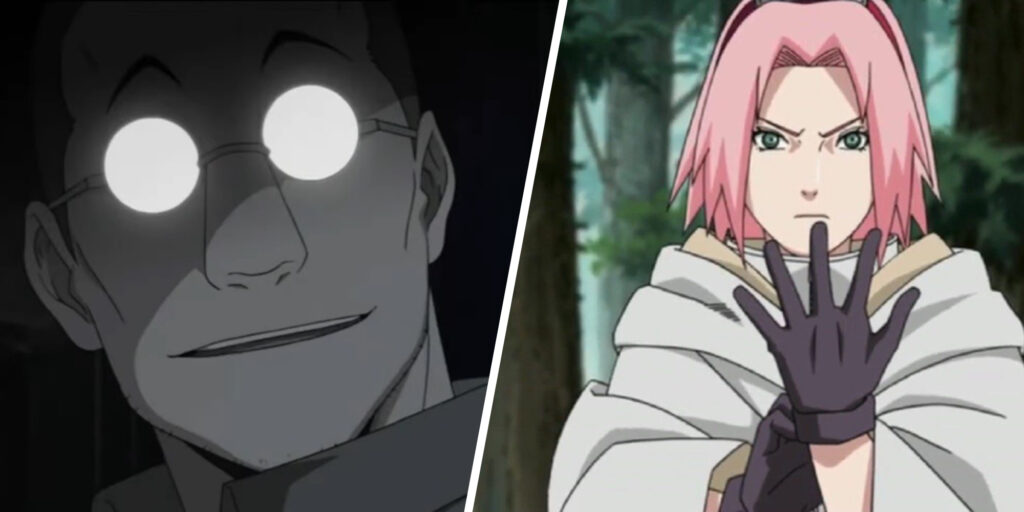
1. Sakura Haruno (Naruto)
Perhaps one of the most contentious figures in the anime world, Sakura Haruno has faced relentless criticism, primarily for her perceived ineptitude in the early arcs of Naruto. Often seen as a damsel in distress rather than an empowering character, many believe her emotional turmoil overshadows her potential. The strict adherence to stereotypical female tropes, combined with her jealousy towards other characters, has cemented her status on this list.
2. Sasuke Uchiha (Naruto)
Following closely in the footsteps of his counterpart, Sasuke Uchiha also bears the brunt of fan disdain. His brooding personality and seemingly endless pursuit of vengeance often frustrate viewers. Many are vexed by his lack of empathy toward his friends, especially after significant character development moments, which seem to temporarily eclipse his darker impulses. This duality creates an emotional push and pull, leading to his polarizing reputation.
3. Light Yagami (Death Note)
Charismatic yet morally ambiguous, Light Yagami’s character serves as a prime example of how brilliance can create profound dislike. As the protagonist in Death Note, his quest for justice devolves into tyranny. His narcissistic tendencies and manipulative nature frustrate fans who initially root for him. By the end of his arc, many concede that Light’s self-righteousness eclipses any relatable qualities he may possess.
4. Goku (Dragon Ball Series)
While often celebrated as a legendary hero, Goku sparks ire among certain fanbases. Critics argue his perpetual nonchalance and tendency to engage in sparring at inopportune times render him a reckless figure. Furthermore, Goku’s unwavering trust in the abilities of his foes can be perceived as irresponsible, leading to grave consequences for others. Thus, even as an icon, he remains a source of contention for some.
5. Nani (Lilo & Stitch: The Series)
Though not a traditional anime character, Nani evokes strong feelings in viewers due to her convoluted portrayal as Lilo’s sister. Straddling the fine line between responsible caregiver and oblivious caretaker, Nani’s conflict-ridden character arc can frustrate audiences. Her struggles often intersect with the trials of being thrust into adult responsibilities, but some fans feel she constantly fails to rise above her circumstances.
6. Shinji Ikari (Neon Genesis Evangelion)
Taking the spotlight in Neon Genesis Evangelion, Shinji Ikari becomes a lightning rod for hatred due to his neurotic tendencies and overwhelming emotional baggage. As he grapples with his often paralyzing introversion and lack of determination, many viewers find themselves lost in his endless self-doubt. Though meant to be a complex character reflecting deep psychological themes, the repetitiveness of his struggles can leave audiences exhausted and annoyed.
7. Kirito (Sword Art Online)
In the realm of virtual reality gone awry, Kirito from Sword Art Online emerges as an infuriating protagonist for many. His superhuman gaming skills catapult him to a level of perfection that detracts from relatable human qualities. Kirito’s melodramatic outbursts and often impulsive nature contribute to the perception of him as an unrealistic hero, leading to a widespread aversion among viewers seeking more nuanced narratives.
8. Yuki Sohma (Fruits Basket)
Yuki Sohma, while initially appearing as a timid and gentle soul, fails to evolve into a compelling character arc throughout Fruits Basket. His introspective nature and inability to assert personal opinions can frustrate viewers yearning for growth and development. Instead of navigating his relationships, Yuki often finds himself entangled in the complexities of those around him, pushing him into the background of his own story.
9. Erza Scarlet (Fairy Tail)
Erza Scarlet, a trenchcoat-wearing warrior from Fairy Tail, often garners a polarized reception due to her seemingly impenetrable facade. While meant to exude strength and resilience, her unwavering stoicism can render her emotionally distant for viewers seeking a more relatable character. This emotional disconnect can turn some fans against her, viewing her character as more of a plot device than a source of empathy.
10. Tetsuya Kuroko (Kuroko’s Basketball)
Tetsuya Kuroko embodies the archetype of the “invisible” hero, a character whose subtlety may perplex audiences. As the titular character in Kuroko’s Basketball, his lack of charisma and minimalistic approach can render him forgettable in a genre that often values flamboyant personalities. For many viewers, the appeal of basketball anime rests on the dynamics between larger-than-life characters; thus, Kuroko’s understated persona can detract from the fun.
In conclusion, the world of anime is an expansive tapestry woven with a myriad of characters, some adored and others abhorred. The ten characters discussed above represent a fraction of this phenomenon, showcasing the multifaceted nature of audience reception. Characters that evoke strong negative emotions can often lead to conversations about storytelling, representation, and personal preference, reminding us that within the expansive realm of anime, every character—whether loved or hated—serves a purpose that contributes to the narrative as a whole.
FAQ
Who is considered the most hated anime character?
Sakura Haruno from Naruto is often cited as one of the most hated anime characters due to early character traits and fan perceptions.
What common traits do hated anime characters share?
Common traits include irritating personality, poor character development, and actions that negatively impact the story or other characters.
Is the dislike for these characters universal?
No, some viewers may appreciate these characters for their complexity or narrative role despite general negative opinions.



Leave a Reply