
Short Answer
Throughout the annals of art history, certain paintings have ascended to a level of ubiquitous recognition, becoming icons that transcend time and culture. They captivate audiences not merely for their aesthetic allure but also for the complex narratives, historical significance, and emotional depth they encapsulate. Here, we delve into ten of the most famous paintings that have enraptured viewers around the globe, exploring what makes them so profoundly fascinating.
1. The Mona Lisa
Perhaps the most illustrious painting in existence, Leonardo da Vinci’s Mona Lisa has enthralled spectators for centuries. The subject’s enigmatic smile and the masterful sfumato technique with which da Vinci rendered her features evoke a sense of mystery and intimacy. This artwork raises compelling questions about identity and the essence of beauty, making it a perennial topic of discussion and analysis.
2. Starry Night
Vincent van Gogh’s Starry Night is a vibrant whirlwind of swirling celestial bodies, capturing both the chaos and serenity of a night sky filled with emotion. Painted during the artist’s time in an asylum, its vivid colors and expressive brushwork convey a profound sense of isolation, yet also a yearning for connection. This work resonates deeply with those who feel a kinship with the tumult of the human experience.
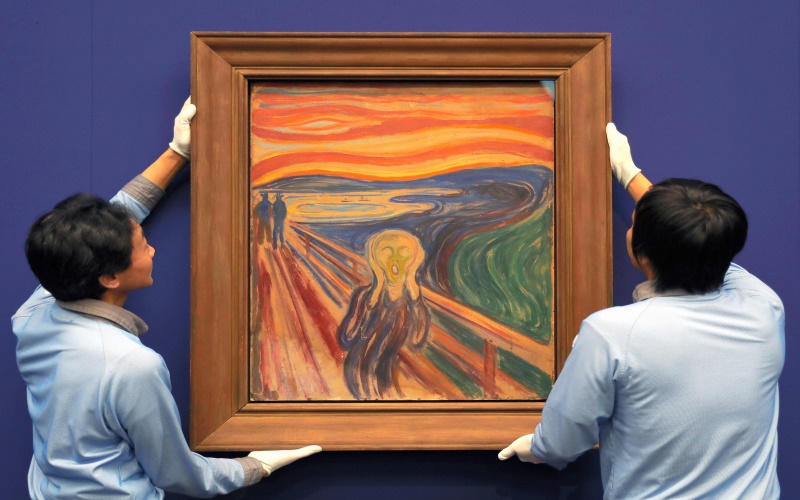
3. The Scream
Edvard Munch’s The Scream is an arresting representation of existential dread, encapsulating profound emotions with its haunting figure and tumultuous background. The painting’s vibrant colors and exaggerated forms evoke raw feelings of anxiety and turmoil, making it a cultural touchstone for discussions around mental health and emotional unrest. In an increasingly chaotic world, its relevance remains strikingly poignant.
4. Guernica
Pablo Picasso’s Guernica serves not just as a painting but as a powerful political statement. This large mural captures the horrors of war, specifically the brutal bombing of the Spanish town of Guernica during the Spanish Civil War. The stark monochromatic palette and distorted figures convey despair and anguish, making it a timeless symbol of anti-war sentiment. Its influence stretches far beyond the canvas, inspiring countless movements advocating for peace.
5. The Persistence of Memory
Salvador Dalí’s The Persistence of Memory is a surreal exploration of time and perception, with melting clocks draped over a barren landscape. This iconic image stimulates reflection on the nature of reality, challenging viewers to reconsider the rigidity of temporal constraints. Here, Dalí encapsulates deeper philosophical inquiries into the fluidity of time, offering a psychedelic glimpse into the workings of the subconscious mind.
6. The Girl with a Pearl Earring
Johannes Vermeer’s The Girl with a Pearl Earring is an exquisite example of baroque portraiture, celebrated for its stunning realism and luminous color palette. The subject’s engaging gaze and the subtle play of light on her face invite interpretation, leading audiences into a world of speculation regarding her identity and story. This painting’s evocation of intimacy creates a silent dialogue between the viewer and the subject, fostering connections across generations.
7. The Creation of Adam
Michelangelo’s ceiling fresco in the Sistine Chapel, The Creation of Adam, stands as a paramount achievement of Renaissance art. The dramatic portrayal of God reaching out to Adam is not merely an artistic triumph, but also symbolizes the relationship between the divine and humanity. This ephemeral moment captures the essence of creation, inviting interpretations around spirituality, existence, and the nature of humanity itself.
8. American Gothic
Grant Wood’s American Gothic is an emblematic representation of American life during the Great Depression. With its stern figures and simplistic rural setting, the painting resonates with themes of hard work and resilience in the face of adversity. The juxtaposition of the pitchfork and the couple’s unyielding expressions raises questions about tradition, stability, and the American spirit, inviting a reassessment of values amid societal shifts.
9. The Birth of Venus
Sandro Botticelli’s The Birth of Venus is a quintessential masterpiece of the Italian Renaissance, depicting the goddess Venus emerging from the sea. The painting encapsulates ideals of beauty and love while showcasing an ethereal quality that invites contemplation on the origin of beauty itself. Its lush colors and dynamic composition reflect the celebration of humanist ideals, ensuring its place in the pantheon of art history.
10. Night Watch
Rembrandt’s Night Watch is notable for its innovative use of light and shadow, as well as its dynamic composition which breathes life into the scene. This monumental group portrait of a civic militia company conveys themes of camaraderie and civic duty, juxtaposing the mundane with the grandeur of civic pride. The interaction among figures within the painting sparks curiosity about the viewer’s role in perceiving history, leadership, and collective identity.
As we traverse through these masterpieces, it becomes clear that their appeal extends far beyond mere visuals. Each painting encapsulates complex narratives of emotions, experiences, and cultural significance that resonate with diverse audiences. They provoke introspection and dialogue, making them timeless in their relevance. These works, steeped in history and layered with meaning, invite us to explore the depths of our collective human experience.
FAQ
What makes these paintings so famous?
These paintings are famous due to their unique artistic techniques, historical significance, cultural impact, and the emotions they evoke, transcending time and geographical boundaries.
Where can I view the original paintings?
Most of these paintings are housed in major museums around the world, such as the Louvre in Paris, the Museum of Modern Art in New York, and the Rijksmuseum in Amsterdam.
Why is The Mona Lisa considered the most famous painting?
The Mona Lisa is renowned for its enigmatic smile, Leonardo da Vinci's masterful technique, and its fascinating history, including theft and extensive scholarly analysis.
What themes are common among these famous paintings?
Common themes include identity, emotion, spirituality, political statements, human experience, and cultural reflection.






Leave a Reply