
Short Answer
Ever wondered why certain woods command astronomical prices while others are mere building materials? The world of luxury timber is as enchanting as it is expensive. Intriguing idioms abound: is it the rarity that elevates a wood’s status, or perhaps its exquisite grain and color that beckon artisans and architects alike? As we traverse through the lush valleys and dense forests, we’ll explore the top ten most expensive woods, each telling a unique story steeped in culture, artistry, and nature’s unyielding beauty.
1. Sandalwood
Known for its dreamy fragrance, sandalwood ranks high on the list of exquisite woods. Native to India and Australia, this occasional sighting of yellowish-brown timber is prized in the making of perfumes and incense. Each inch of sandalwood is imbued with an aromatic oil that only intensifies with age, making the wood even more luxurious as the years unfold. Harvesting sandalwood is regulated due to its dwindling supply, pushing the price up into the realm of eye-watering extravagance.
2. Agarwood (Oud)
Agarwood, or oud, is another opulent wood replete with history and significance. Cultivated primarily in Southeast Asia, this wood forms as a defense mechanism when the Aquilaria tree becomes infected with mold. The result is a dark, dense resin-rich wood that exudes a scent like no other. Esteemed in perfumery, agarwood is synonymous with luxury, often costing thousands of dollars per kilogram due to its unique aromatic qualities.
3. Ebony
Renowned for its deep, lustrous black hue and intricate grain, ebony has been a symbol of wealth and power for centuries. Originating from various species of trees, primarily found in Africa and Southeast Asia, this wood is often used for fine furniture and musical instruments, such as piano keys and guitars. Its rarity, combined with its dense composition, presents challenges in sustainable sourcing, further elevating its market value.
4. Brazilian Rosewood
Hailing from the lush rainforests of Brazil, rosewood is revered for its deep, rich colors and streaked patterns. This wood is highly sought after for musical instruments, luxury furniture, and high-end cabinetry. Unfortunately, overharvesting has led to a decline in its availability, making Brazilian rosewood exceptionally expensive. Desirable yet elusive, it presents a paradox: the challenge of ethical sourcing looms large over its continued allure.
5. Teak
A stalwart in the world of luxury timber, teak is celebrated for its durability and resistance to the elements. Naturally oily, this wood is often used in outdoor furniture, ships, and high-end interiors. Originally found in Southeast Asia, the rise in demand has led to extensive cultivation efforts, but harvesting must still be regulated to protect natural forests. Its beautiful golden-brown color continues to be a hallmark of sophistication, inviting imaginations of sun-drenched patios and lavish yachts.
6. Blackwood
A favorite among furniture makers and artisans, blackwood is notable for its mesmerizing dark tones. Predominantly found in Australia and Madagascar, this fine-grained wood is prized for crafting high-end musical instruments and fine woodworking. Blackwood’s exquisite layers and tonal qualities raise its demand, creating a premium that’s reflected in its price. One might ponder how crafting a single piece can lead to such a sublime investment.
7. Maple (Birdseye and Curl)
Maple typically evokes thoughts of sweet syrup, yet certain varieties, particularly Birdseye and curly maple, cast a luxurious spell on wood enthusiasts. Characterized by unique, swirling patterns and exquisite grain structures, these rare variants fetch favorite prices among collectors and craftsmen. The rarity of these features creates a delightful conundrum for buyers: can they really put a price on such natural artistry?
8. Mahogany
This staple of the luxury wood category is known for its richness in color and robustness. Mahogany’s deep reddish-brown hues paired with fine grain make it a preferred material for high-end furniture and cabinetry. As a hardwood, it’s surprisingly easy to work with, allowing for intricate designs and finishes. However, concerns regarding environmental sustainability raise questions: how can elegance persist amid conservation efforts?
9. Cocobolo
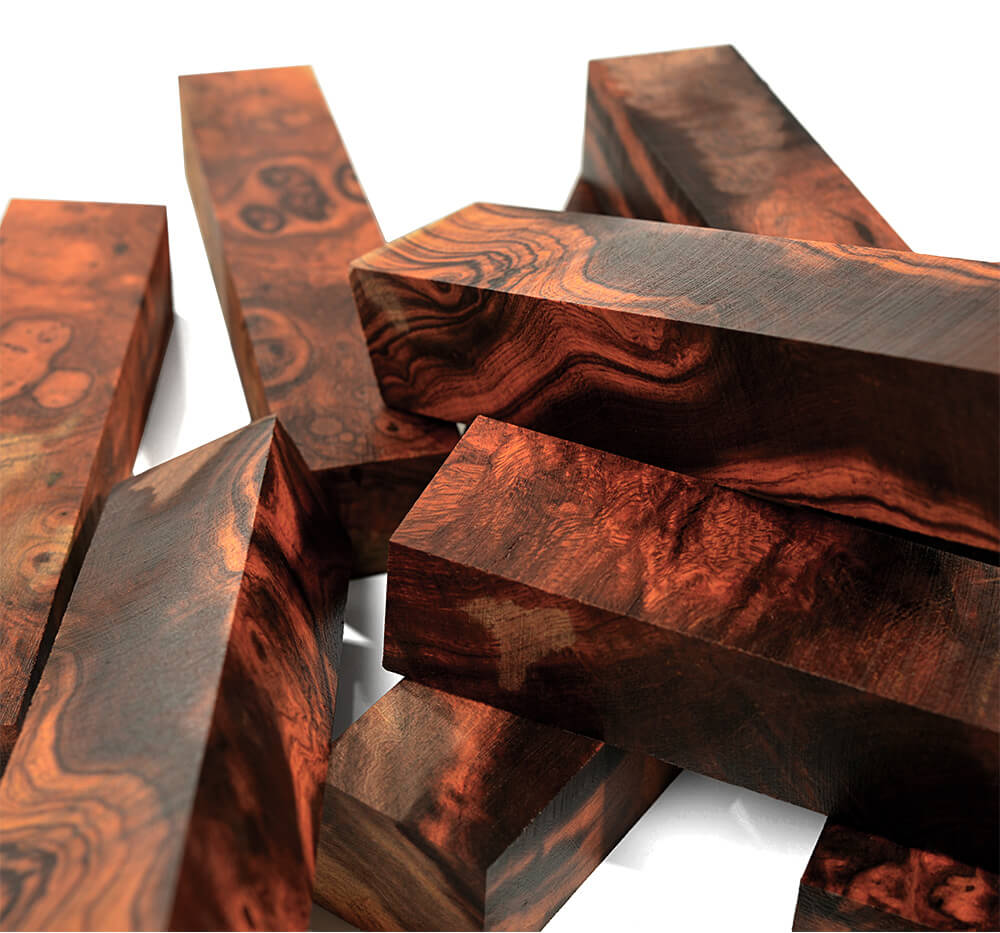
The enigmatic cocobolo wood originates from Central America and is characterized by its exotic colors, from golden yellows to vivid reds and deep browns. Revered among luthiers, cocobolo is a premium choice for guitar making. However, its allure brings about ethical dilemmas surrounding its reduced availability and high demand, raising the stakes for conscientious consumers.
10. Wenge
Lastly, we arrive at wenge, an African hardwood lauded for its striking contrast between dark brown tones and fine, light-colored stripes. Often used in high-end furniture and cabinetry, wenge is not only aesthetically pleasing but also durable—a rarity in the world of woods. Its increase in popularity, however, brings with it the task of ensuring sustainable and ethical sourcing.
As we conclude this exploration of the most exquisite and expensive woods in the world, one must consider the broader implications. Each piece of luxury timber carries with it a story shaped by environmental factors, cultural significance, and economic demand. The interactive play between scarcity and desirability creates not just value but also a challenge to ensure sustainability in this alluring realm. With each grain and each scent, these woods remind us of nature’s extraordinary gifts, leaving us to ponder: what price would you pay for a piece of the extraordinary?
FAQ
What makes luxury timber different from regular wood?
Luxury timber is distinguished by its rarity, unique colors, grains, aromatic properties, and its use in high-end products and crafts.
Can these expensive woods be legally harvested?
Many expensive woods are subject to strict regulations and certifications to ensure sustainable and legal harvesting.
Why is sandalwood so valuable?
Because of its aromatic oils, rarity, regulated harvesting, and use in perfumes and incense, sandalwood commands a high price.





Leave a Reply