
Short Answer
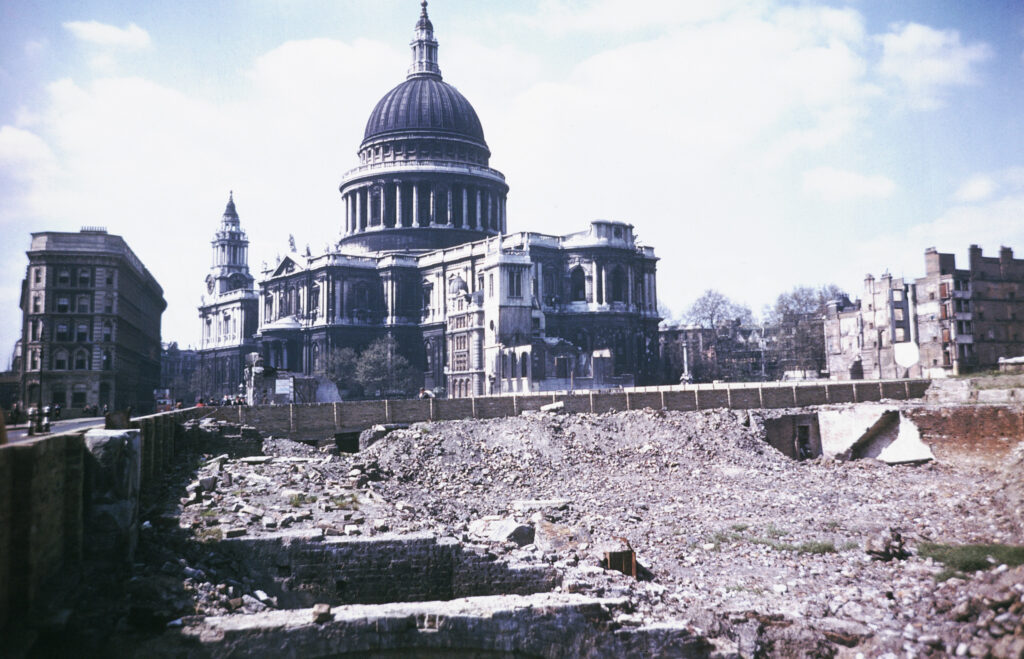
World War II, a cataclysmic conflagration that reshaped not just borders but the very fabric of civilization, left an indelible mark on numerous cities across the globe. The sheer scale of destruction—and the stories of resilience and despair intertwined within those ruins—invite contemplation. This exploration unveils ten of the most devastated cities of that fateful period, offering a window into their poignant pasts and the lessons emanating from their destruction.
1. Dresden, Germany
Dresden, often dubbed the “Florence on the Elbe,” experienced one of the most harrowing bombardments in history. In February 1945, Allied forces unleashed a tempest of incendiary bombs, igniting a firestorm that reduced much of the city to a smoldering ash heap. Historically known for its baroque architecture and rich cultural heritage, the obliteration of Dresden serves as a stark reminder of the collateral damage inflicted on civilization during wartime, leading many to question the morality of such widespread devastation.
2. Hiroshima, Japan
The name Hiroshima is synonymous with the catastrophic potential of nuclear warfare. On August 6, 1945, the atomic bomb known as “Little Boy” annihilated approximately 70% of the city. The immediate aftermath was unthinkable—an entire urban center disintegrated in mere moments. Beyond the physical destruction, the long-term consequences—radiation poisoning, severe psychological trauma, and a cultural shift—remind us of the profound and lasting impact of nuclear conflict.
3. Nagasaki, Japan
Just three days after Hiroshima, Nagasaki bore witness to a similar fate as the second target for its devastating atomic strike. The bomb “Fat Man” wrought destruction on this city, which was known for its intricate landscapes and flourishing trade history. As the remnants reflected the ongoing devastation of war, Nagasaki’s tragic fate compels a deeper reflection on humanity’s propensity for self-destruction and the hope for reconciliation.
4. Stalingrad, Soviet Union
Stalingrad epitomizes the brutal urban warfare that characterized World War II. From August 1942 to February 1943, this city transformed into a battleground of unparalleled ferocity during the Battle of Stalingrad. Buildings became fortifications, and streets served as the scene for desperate confrontations. By the end, the city was left ravaged and desolate. Stalingrad’s resilience resulted in a pivotal victory for the Soviet Union and demonstrated the staggering human cost of conflict.
5. Warsaw, Poland
Warsaw’s narrative is one of profound tragedy interwoven with resilience. Following the Warsaw Uprising in 1944, the city’s liberation was tempered by mass destruction; over 85% of its structures lay in ruins. The annihilation of Warsaw represents not merely physical loss but also the cultural and emotional toll on its inhabitants, whose spirit persisted through decades of reconstruction. The intended silence of its ruins echoes the memories of those who endured.
6. Rotterdam, Netherlands
The German Blitzkrieg’s ferocious onslaught on Rotterdam in May 1940 left the city in tatters. A significant part of its historic center was razed in a single incident, as firebombs fell mercilessly. Rotterdam’s economy and identity endured a tectonic shift; however, the post-war period heralded a bold architectural renaissance, ultimately transforming the city into an emblem of modernity amidst its haunting past.
7. Manila, Philippines
World War II etched a poignant chapter in Manila’s history. The terrible siege in 1945 resulted in unparalleled casualties and infrastructural ruin. The historic Intramuros district, once a thriving citadel, was almost completely decimated. Today, Manila’s recovery signifies the resilience of the human spirit, merging its rich cultural heritage with a sobering reminder of the turmoil that shaped it.
8. Berlin, Germany
Berlin, the epicenter of Nazi power, witnessed unfathomable destruction as the war neared its conclusion. The relentless Allied bombings and the subsequent ground assault by Soviet troops culminated in a city reduced to ruins. Berlin’s devastation was not merely geographical; it was symbolic, representing the downfall of a brutal regime. The city has since metamorphosed into a testament of resilience and renewal, grappling with its historical shadows while forging a vibrant future.
9. Leningrad (Saint Petersburg), Soviet Union
During the infamous Siege of Leningrad from 1941 to 1944, the city endured both physical destruction and unimaginable human suffering. The relentless blockade led to starvation and severe deprivation, with an estimated million lives lost. Leningrad’s resilience during such a catastrophic period is commemorated through memorials and an unyielding cultural legacy, reminding the world of the tenacity that flourished despite the darkest of times.
10. Tokyo, Japan
Tokyo, while not subjected to atomic bombardment, faced devastation from conventional air raids, most notably the firebombing conducted in March 1945. The conflagration consumed entire neighborhoods, leaving a city in ruins. Tokyo’s subsequent recovery reflects an extraordinary narrative of urban rebirth, emblematic of the resilience and adaptability required to overcome extreme adversity.
In conclusion, the cities ravaged during World War II attest to the catastrophic impact of human conflict on urban landscapes and, indeed, on civilization itself. As we delve into their stories of destruction and renewal, it becomes evident that these locales are not merely crumbling edifices of the past but are vibrant testaments to resilience and hope. The scars of history serve as crucial reminders that from devastation can arise transformation, urging society to foster understanding and peace to prevent the repetition of such profound tragedies.
FAQ
Which city was the most destroyed during World War II?
Several cities suffered devastating destruction during World War II, including Dresden, Hiroshima, and Stalingrad, each notable for the scale and type of damage they endured.
How did cities recover after World War II destruction?
Recovery involved extensive rebuilding efforts, urban planning innovations, and cultural restoration, often symbolizing resilience and renewal, as seen in cities like Rotterdam, Berlin, and Tokyo.
What was unique about the destruction of Hiroshima and Nagasaki?
Hiroshima and Nagasaki were the only cities targeted by atomic bombs in warfare, resulting in unprecedented nuclear devastation and long-term effects such as radiation sickness.
What role did the Battle of Stalingrad play in the city's destruction?
The Battle of Stalingrad was a brutal and pivotal confrontation characterized by intense urban warfare that left the city ravaged but symbolized Soviet resilience and a turning point in the war.
Why is the destruction of Warsaw significant?
Over 85% of Warsaw was destroyed following the 1944 uprising, representing both massive physical destruction and the cultural and emotional impact on its people, with reconstruction efforts reflecting resilience.



Leave a Reply