
Short Answer
The world of arachnids is filled with a myriad of species, each displaying an intricate beauty and unique behavioral traits. However, lurking among these fascinating creatures are some of the most dangerous spiders known to man. These formidable predators wield venom potent enough to instigate a visceral fear in those who cross their paths. As you journey through this exploration of the top 10 most dangerous spiders, prepare yourself for a shift in perspective—discovering that these misunderstood beings are as mesmerizing as they are menacing.
1. Brazilian Wandering Spider (Phoneutria spp.)
Often dubbed the world’s most dangerous spider, the Brazilian wandering spider inhabits the tropical forests of Central and South America. With its aggressive nature, this spider does not hesitate to confront threats, making it particularly perilous for unsuspecting hikers and locals. Its venom contains a cocktail of neurotoxins that can cause severe pain, respiratory distress, and in rare instances, death. However, it’s worth noting that antivenom exists, and fatalities today are exceedingly rare.
2. Funnel-Web Spider (Atrax robustus)
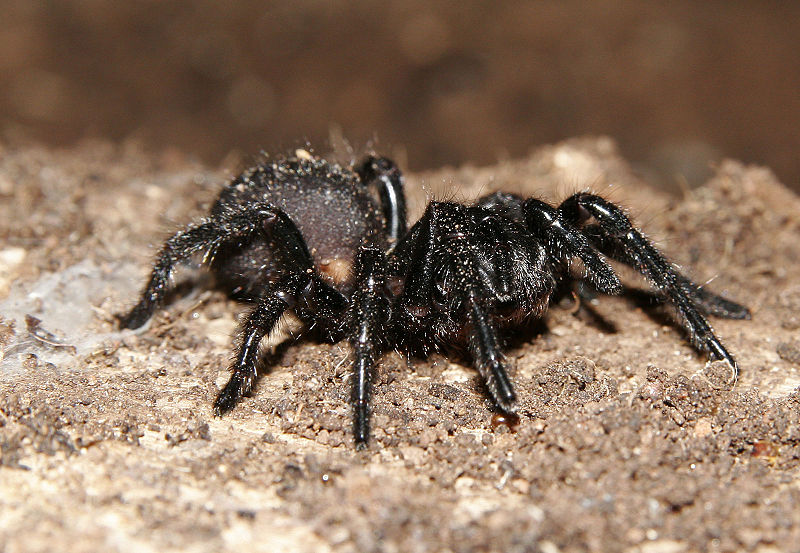
Australia is home to the notorious funnel-web spider, notable for its potent venom and aggressive defense of its territory. Preferring moist environments, particularly in dense forests, its unmistakable web structure resembles a funnel from which the spider ambushes its prey. The venom of the male funnel-web, which can lead to muscle spasms, respiratory failure, and even death, is so dangerous that antivenom is readily available, underscoring the respect this species commands.
3. Black Widow Spider (Latrodectus spp.)
The iconic black widow spider, with its glossy black body and distinctive red hourglass mark, elicits a unique blend of fascination and fear. Found predominantly in the Americas, these spiders are notorious for their neurotoxic venom, which can lead to severe muscle pain, abdominal cramps, and, in some cases, the dreaded “black widow bite” syndrome. Although casualties are rare thanks to effective medical treatment, the black widow remains an enduring symbol of danger within the arachnid realm.
4. Brown Recluse Spider (Loxosceles reclusa)
Similarly alarming is the brown recluse spider, another formidable American inhabitant that lurks in dark corners and neglected spaces. Possessing a violin-like marking on its dorsal side, this spider is notorious for its necrotic venom, which can lead to severe skin lesions and systemic issues. Unlike its more overtly aggressive cousins, the brown recluse tends to be secretive, attacking only when threatened. This makes encounters rare yet potentially devastating.
5. Yellow Sac Spider (Cheiracanthium spp.)
The yellow sac spider, often found in gardens and greenhouses across the globe, possesses a venom that can cause localized pain and itchy lesions. Although less fatal than some of its counterparts, its bite can lead to an inflammatory reaction reminiscent of necrosis. Notably, its elusive nature often results in bites that occur when the spider is inadvertently disturbed, further emphasizing caution for those engaging in outdoor activities.
6. Sydney Funnel-Web Spider (Atrax robustus)
Emblematic of Australia’s rich biodiversity, the Sydney funnel-web spider is another entry in this dangerous roster. Its large fangs are capable of piercing human skin, introducing a venom that affects the nervous system. The antivenom developed for this species has indeed saved numerous lives, yet the immediacy of medical attention following a bite remains crucial. Their bulbous bodies and formidable webs hold intrinsic beauty, contrasting starkly with their lethal potential.
7. Chilean Recluse Spider (Loxosceles laeta)
Another recluse, albeit from South America, the Chilean recluse spider, carries with it the same dangerous reputation. Renowned for its aggressive nature, its bite can result in severe tissue damage and systemic symptoms that sometimes necessitate surgical intervention. The spider thrives in urban as well as rural settings, emphasizing the necessity for vigilance in both outdoor adventures and home environments.
8. Redback Spider (Latrodectus hasseltii)
Australia’s redback spider, akin to its American cousin, is easily identified by the characteristic red stripe along its back. This spider’s venom is particularly distressing, leading to severe pain, sweating, and muscle weakness. While deaths are rare, the presence of redback spiders in urban areas highlights a continual need for awareness. Their webs often reside in sheltered spaces, making them common in gardens and sheds.
9. Six-Eyed Sand Spider (Sicarius spp.)
This elusive arachnid, found mainly in Southern Africa, is not only deadly but extraordinarily cryptic. The six-eyed sand spider possesses venom that can disrupt blood clotting, leading to extensive tissue damage in its victims. Its ability to ambush prey using its incredible camouflage amplifies the sense of stealth and danger that surrounds this species. Enigmatic and rarely seen, the six-eyed sand spider remains a formidable presence in the sands of its habitat.
10. Wolf Spider (Lycosidae family)
The seemingly innocuous wolf spider springs into this list due to its aggressive hunting behavior and potent bite. Found globally, these spiders are known for their swiftness and remarkable ability to traverse various terrains. While their venom is relatively mild, causing pain and swelling, they are often misidentified and can provoke unease among those unaware of their generally benign nature. Their predatory instinct and tenacity, however, can induce underlying terror.
In conclusion, while the world’s most dangerous spiders might invoke a sense of dread, it is essential to approach these creatures with curiosity rather than merely fear. Their remarkable adaptations and resilience reveal a deep, complex interconnection within the ecosystem. Understanding and respecting their role can foster a sense of awe, transforming the way we perceive these enigmatic beings. As you navigate your surroundings, remain vigilant but also appreciative of the astonishing diversity of life that shares our world—some of which may be lurking in the shadows, waiting for their next adventure.
FAQ
Which spider is considered the most dangerous in the world?
The Brazilian Wandering Spider (Phoneutria spp.) is often considered the most dangerous due to its potent venom and aggressive behavior.
Are bites from these dangerous spiders always fatal?
No, fatalities are rare due to the availability of antivenoms and medical treatment, but bites can cause serious health issues if untreated.
How can I protect myself from dangerous spiders?
Avoid areas known for dangerous spiders, wear protective clothing when hiking or gardening, and seek immediate medical attention if bitten.





Leave a Reply