
Short Answer
In a world increasingly fraught with dietary misinformation and culinary trends, discerning what constitutes healthful sustenance can be a daunting endeavor. However, certain foods have stood the test of time, hailed not only for their nutritional bounty but also for their ability to contribute to overall well-being. This article unveils the top ten healthiest foods in the world, ranked according to their nutrient density, health benefits, and versatility. From leafy greens to vibrant fruits, each entry offers a unique plethora of health rewards.
1. Kale
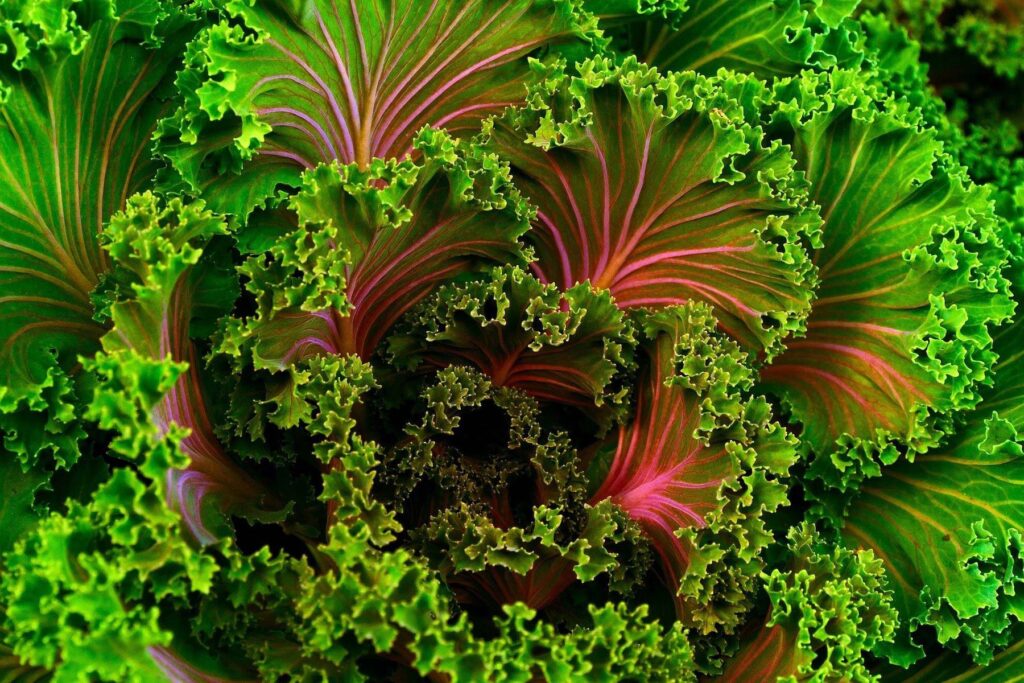
Kale, the veritable superstar of leafy greens, is a nutrient-dense cruciferous vegetable packed with vitamins A, C, and K. Known for its robust flavor and fibrous texture, kale boasts an impressive array of antioxidants, including quercetin and kaempferol, which combat oxidative stress. This superfood is versatile; it can be enjoyed raw in salads, sautéed as a side dish, or blended into smoothies, making it a delightful addition to any meal.
2. Blueberries
Blueberries are often regarded as the quintessential superfruit, owing to their prodigious levels of antioxidants, specifically anthocyanins. These tiny berries protect cells from radical damage, promoting heart health and cognitive function. Their distinctive flavor and juiciness make them a perfect snack, a brilliant inclusion in breakfast cereals, or a luscious topping for yogurt. Their low glycemic index renders them an ideal choice for those seeking to manage blood sugar levels.
3. Salmon
Salmon, particularly wild-caught varieties, is revered for its omega-3 fatty acids, which are crucial for cardiovascular health and cognitive function. This oily fish is not only protein-rich but also teeming with essential nutrients such as vitamin D and selenium. Its rich, buttery flavor lends itself beautifully to various culinary styles, whether baked, grilled, or incorporated into salads. Regular consumption of salmon can reduce inflammation and improve overall heart health.
4. Quinoa
Often dubbed a “super grain,” quinoa is a complete protein—unlike most plant-based sources, it provides all nine essential amino acids. Additionally, it is high in fiber, iron, and magnesium. Quinoa’s nutty flavor and fluffy texture make it an excellent base for salads, side dishes, or even breakfast porridge. As a gluten-free alternative to grains like rice and pasta, quinoa’s versatility is unparalleled in the world of health foods.
5. Spinach
Spinach, another leafy green heavyweight, is a veritable powerhouse of vitamins and minerals. Rich in iron, calcium, and vitamins K and A, spinach promotes bone health and aids in cellular function. Its mild flavor allows it to be seamlessly incorporated into smoothies, salads, omelets, and even soups. The presence of antioxidants, such as lutein and zeaxanthin, further supports eye health, making spinach a stellar choice for nutritious meals.
6. Greek Yogurt
Greek yogurt offers a splendid combination of protein and probiotics, the latter of which supports gut health and enhances digestion. With its creamy texture and tangy flavor, Greek yogurt is not only delicious but can also be a low-calorie substitute for sour cream or mayonnaise in recipes. The richness of calcium in Greek yogurt contributes to strong bones, while its probiotic content fosters a balanced microbiome, making it a great addition to breakfast or snacks.
7. Almonds
Almonds are a nutrient-dense nut brimming with healthy fats, protein, and fiber. They are a remarkable source of vitamin E and magnesium, which are vital for skin health and muscle function, respectively. Consuming almonds can help lower bad cholesterol levels and promote heart health. These versatile nuts can be enjoyed raw, roasted, or ground into almond flour, enhancing both flavor and nutritional value in a variety of dishes.
8. Sweet Potatoes
Sweet potatoes are a root vegetable that shines with an impressive array of vitamins and minerals, including beta-carotene, vitamin C, and potassium. Their natural sweetness makes them a delightful addition to both savory and sweet dishes. Roasted, mashed, or even turned into fries, sweet potatoes offer not only flavor but also are high in fiber, which aids digestion. Their low glycemic index makes them a diabetes-friendly option.
9. Broccoli
Broccoli is a steamed, crunchy delight embodying a plethora of vitamins, particularly K, C, and fiber. A member of the cruciferous family, it contains sulforaphane, which has been linked to cancer-preventing properties. Broccoli can be enjoyed lightly steamed, raw in salads, or as a part of stir-fries, enveloping your meals in its earthy flavor and substantial health benefits. Additionally, its versatility lends itself to both simple and complex recipes alike.
10. Avocado
Avocado stands out as a unique fruit brimming with monounsaturated fats that are beneficial for heart health. Its creamy texture makes it a favorite in spreads, salads, and smoothies. Avocado is also rich in potassium, which helps regulate blood pressure, as well as fiber, which aids in digestion. Its distinctive flavor and texture add a luxurious component to any dish, making it a quintessential food in the health-conscious community.
In conclusion, embracing these top ten healthiest foods can significantly bolster your dietary regimen and overall health. Their nutrient profiles offer diverse benefits, from enhancing heart health to supporting cognitive function and managing blood sugar levels. Incorporating a varied array of these exceptional foods into your meals can foster a balanced diet that not only nourishes the body but also delights the palate. Prioritizing these healthful foods is a step toward a more vibrant, health-centric lifestyle.
FAQ
What are the benefits of eating kale?
Kale is rich in vitamins A, C, and K, antioxidants, and fiber, supporting immune health, reducing oxidative stress, and aiding digestion.
Why is salmon considered healthy?
Salmon is high in omega-3 fatty acids, protein, vitamin D, and selenium, which promote heart and brain health and reduce inflammation.
Is quinoa a good source of protein for vegetarians?
Yes, quinoa is a complete plant protein containing all nine essential amino acids, making it an excellent protein source for vegetarians.
How does Greek yogurt support gut health?
Greek yogurt contains probiotics that help maintain a healthy gut microbiome and improve digestion.





Leave a Reply