
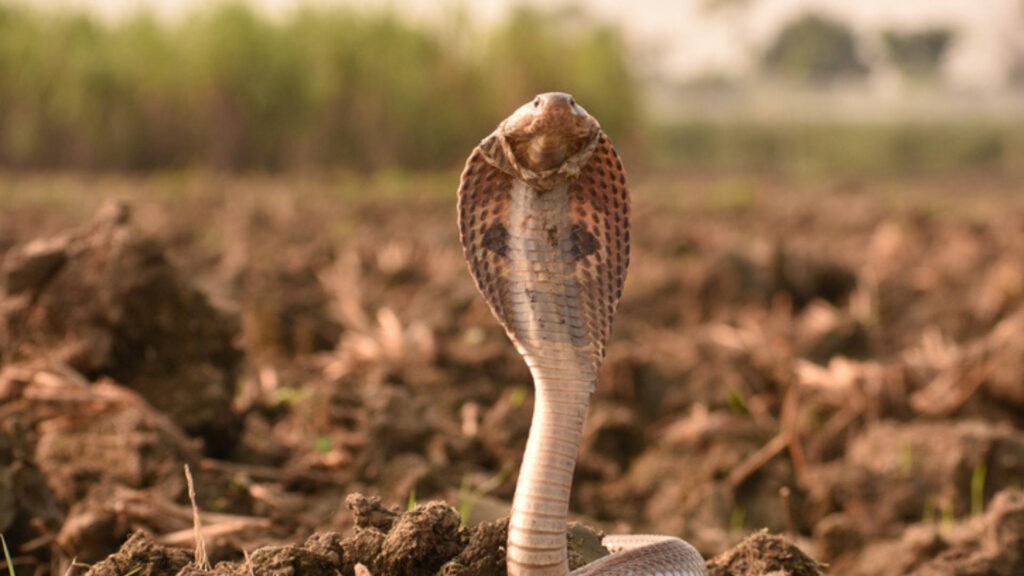
Short Answer
In the twilight hours of crowded jungles and arid deserts, a sinister elegance glides through the underbrush, the embodiment of nature’s most potent design—the snake. Intrigued by their exquisite form yet haunted by their lethality, humankind has long regarded these serpents with a blend of fascination and trepidation. This article delves into the top 10 deadliest snakes in the world, illuminating their unique traits and the reasons behind their fearsome reputations, intertwining the beauty of their adaptation with the peril they present.
1. Inland Taipan (Oxyuranus microlepidotus)
Often reigned supreme as the most venomous snake on the planet, the Inland Taipan’s venom is estimated to be 50 times more toxic than that of the common cobra. It possesses a cocktail of neurotoxins and hemotoxins that can cause death within minutes. Despite its potent armament, this elusive serpent prefers to remain hidden in the arid landscapes of Australia, only striking when behavior warrants it—an embodiment of nature’s philosophy of predation wrapped in beautiful, earthy shades of brown and olive.
2. Eastern Brown Snake (Pseudonaja textilis)
Found predominantly in Australia, the Eastern Brown Snake is a paradox of approachability and danger. Although its demeanor can be surprisingly skittish, it is responsible for the majority of snakebite fatalities in Australia due to its potent venom, which disrupts blood coagulation. This serpentine specter, often blending in with the last rays of sunlight filtering through the foliage, strikes fear into the heart of its prey while simultaneously offering a lesson in caution to those who cross its path.
3. Coastal Taipan (Oxyuranus scutellatus)
Roaming the coastal regions of northeastern Australia, the Coastal Taipan combines agility, speed, and lethality. Its venom, delivering a swift and brutal attack, affects the nervous system and blood vessels— a reminder that beauty can often collude with danger. With its slender, vibrant body gliding seamlessly through the underbrush, the Coastal Taipan is nature’s lethal ballerina, performing its predatory dance with alarming finesse.
4. Black Mamba (Dendroaspis polylepis)
Few snakes evoke as much fear as the Black Mamba, Africa’s fast-moving assassin. Capable of reaching speeds up to 12 miles per hour, its venom can kill a human within 20 minutes without antivenom. The name “Black Mamba” belies its true form; rather than being black, its mouth reveals a dark interior—a chilling reminder of death lurking at every turn. When one encounters this sleek serpent, it is a stark reminder of nature’s raw, untamed fury, crowned with formidable elegance.
5. King Cobra (Ophiophagus hannah)
As the world’s longest venomous snake, the King Cobra is a serpent of grandeur and lethal precision. Reaching lengths of up to 18 feet, it wields its neurotoxic venom not as a mere defense, but as a weapon of choice. The potency of a King Cobra’s bite can bring down an elephant, starkly underlining its supremacy in the reptilian hierarchy. Often depicted as a regal figure, it behaves with a nobility that belies its hidden ferocity, making it a creature of intrigue and warning.
6. Gaboon Viper (Bitis gabonica)
With a visage adorned in intricate patterns of browns and creams, the Gaboon Viper is perhaps the most visually stunning among the lethal serpents. Its large fangs can deliver a staggering amount of venom, with a single bite possessing the capability to immobilize even large prey. Native to the rainforests of Africa, this snake is the epitome of camouflage, blending seamlessly into the forest floor. It’s a master of ambush, displaying nature’s artistry while exemplifying the duality of beauty and danger.
7. Fer-de-Lance (Bothrops asper)
Known for its aggressive behavior, the Fer-de-Lance is a specter of the Americas, often found in both rural and urban areas. Its adaptability speaks to its survival in varied environments, while its venom can cause tissue necrosis and internal bleeding. This snake serves as a formidable guardian of its territory, warning those who dare tread too close. It thrives in the shadows, sprouting tales of caution as it weaves through the collective subconscious of those who dwell in its domain.
8. Puff Adder (Bitis arietans)
Occupying the diverse landscapes of Africa, the Puff Adder makes its mark with a venom that causes severe necrotizing effects on affected tissues. Renowned for its ability to remain still until remarkably disturbed, it embodies the deceptive tranquility of the wild. Its chunky, patterned body camouflages perfectly with the savannah, ensuring that it remains a silent sentinel. Encountering a Puff Adder is akin to stumbling upon a sleeping giant, a reminder of the lurking dangers within nature’s serene facade.
9. Tiger Snake (Notechis scutatus)
The Tiger Snake, a native to southern Australia, flaunts bands reminiscent of its feline counterpart. Known for aggressive behavior and high toxicity, its bite can lead to paralysis or even death without immediate intervention. It thrives in coastal marshes and is notorious for its fearsome temperament. With every encounter, it leaves an indelible mark of respect and circumspection in the hearts of those who inhabit its territory.
10. Blue Krait (Bungarus caeruleus)
Inhabiting the enchanting yet treacherous ecosystems of Southeast Asia, the Blue Krait stands as a venomous jewel of the night. Its neurotoxic venom is powerful enough to induce paralysis and respiratory failure. While it displays a typically docile demeanor, its silent yet potent nature instills a fear reminiscent of the calm before an impending storm. It embodies the unpredictable danger of the wild, combining beauty and lethality into a single, striking form.
As we unravel the intricacies of these remarkable yet deadly snakes, we are reminded of nature’s delicate balance of awe and peril. Each snake, with its unique characteristics and venomous capabilities, serves as both a marvel of evolution and a subject of caution. From the arid deserts of Australia to the lush rainforests of Africa, they navigate their realms with an elegance that belies the killing prowess wrought within their fangs. In contemplating their existence, we find a poignant reflection of the world’s complex tapestry—where beauty and danger are inexorably intertwined.
FAQ
What defines a snake as 'deadly'?
A deadly snake is typically defined by the potency of its venom, its behavior towards humans, and its capacity to cause fatal or severe harm.
How quickly can venomous snake bites be fatal?
Venomous snake bites can be fatal within minutes to hours depending on the species, amount of venom injected, and availability of medical treatment.
Are these snakes aggressive by nature?
Many deadly snakes are not aggressive and will avoid humans unless threatened; aggression levels vary by species.





Leave a Reply