
Short Answer
Monkeys have long captivated human imagination with their playful antics and striking intelligence. As some of the most social and agile creatures on the planet, it’s no wonder they frequently become the subject of fascination and study. So, what happens when we consider a world without these remarkable beings? What challenges would arise in their absence? Let’s embark on a journey to explore the top ten monkey species you should know, shedding light on their unique traits, behaviors, and environmental roles.
1. Common Chimpanzee (Pan troglodytes)
Although often classified as apes, chimpanzees share many traits with monkeys and are equally captivating. Known for their complex social structures and use of tools, these primates demonstrate emotional depth and a capacity for empathy. Found in the forests and savannas of Africa, they communicate through a rich array of vocalizations and gestures, sparking curiosity about their cognitive skills.
2. Olive Baboon (Papio anubis)
The olive baboon is a striking figure among Old World monkeys, showing off a resilient disposition within varied habitats. With their long, dog-like snouts and distinctive olive-hued fur, these monkeys are known for their hierarchical society. Their social groups, called troops, can include upwards of fifty individuals, leading to dynamic interactions that can both amuse and perplex onlookers.
3. Howler Monkey (Alouatta spp.)
Howler monkeys are hailed as the loudest land mammals, filling the tropical forests of Central and South America with their distinctive calls. With their unique vocal apparatus, they can project their howls for miles, creating an auditory spectacle that serves as both a territorial marker and a means of communication. Their prehensile tails are equally remarkable, allowing these monkeys to navigate the treetops with ease.
4. Rhesus Macaque (Macaca mulatta)
One of the most widely distributed monkey species, the rhesus macaque thrives in various environments, from urban landscapes to mountain forests. Known for their adaptability, these monkeys are often found around human populations. Their intriguing behaviors and social hierarchies provide valuable insights into primate behavior, making them prominent subjects in scientific research.
5. Spider Monkey (Atelidae family)
Delicate yet agile, spider monkeys exemplify the beauty of evolutionary adaptation with their long limbs and prehensile tails, which help them swing effortlessly through the canopy. Their social groups are marked by complicated relationships and playful interactions, revealing a level of intelligence and communicative ability that is both remarkable and endearing. Their conservation status, threatened by habitat loss, raises a significant concern regarding their future.
6. Squirrel Monkey (Saimiri sciureus)
Small yet energetic, the squirrel monkey showcases a delightful blend of agility and playfulness. Found primarily in the rainforests of Central and South America, these monkeys engage in mischievous antics that often draw attention. Their social behavior is characterized by tight-knit groups, where cooperation is key in foraging and predator avoidance, underscoring the intricate balance within their ecosystems.
7. Japanese Macaque (Macaca fuscata)
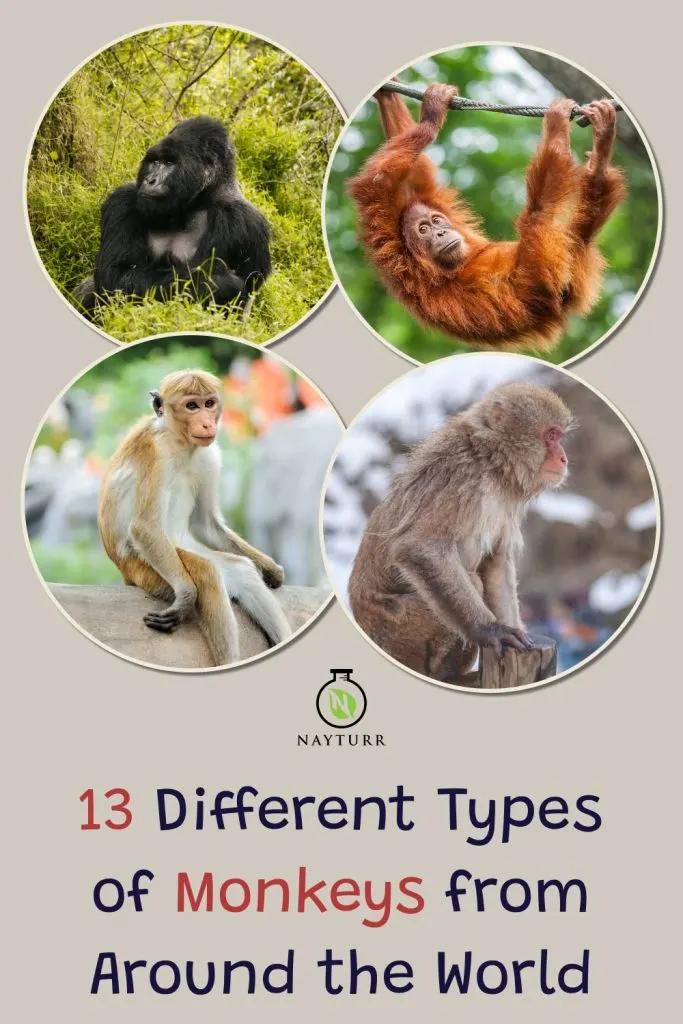
Possibly one of the most studied monkey species, the Japanese macaque, or snow monkey, captivates with its adaptability to cold environments. These monkeys are renowned for their unique habit of bathing in hot springs during winter, showcasing an unprecedented relationship with their environment. Their complex social structures and playful behaviors provide a window into the emotional lives of primates in challenging climates.
8. Capuchin Monkey (Cebinae family)
Iconic for their role in various media portrayals, capuchin monkeys are exceptionally intelligent and resourceful. These small primates are often seen using tools to extract food and display advanced problem-solving skills. Their socialization patterns, characterized by play and cooperation, highlight their innate curiosity and ability to adapt, which is increasingly important as they face habitat destruction.
9. Tamarin (Saguinus genus)
Tamarins, with their distinctive facial features and unique behaviors, are charming representatives of New World monkeys. Their small size and vibrant fur patterns make them incredibly engaging to observe. Tamarins exhibit complex social dynamics, often forming family groups that work collaboratively to raise their young, emphasizing the importance of familial bonds in social structures.
10. Golden Lion Tamarin (Leontopithecus rosalia)
With its striking golden mane, the golden lion tamarin captivates attention and highlights the biodiversity of the Brazilian rainforest. These small primates are known for their elaborate vocalizations and strong social bonds, often forming family units that nurture their offspring through a collaborative effort. Despite their allure, they face critical threats due to deforestation and habitat loss, rendering their conservation crucial.
As we delve into the world of monkeys, we uncover not only their captivating traits but also the challenges they face in a rapidly changing environment. Each species plays a pivotal role in its ecosystem, and understanding their behaviors and social structures is essential to fostering conservation efforts. What if we began to consider our connection with these remarkable creatures? How might our actions influence their survival in the wild? By engaging in conservation and showing appreciation for these extraordinary beings, we hold the power to ensure that future generations will also get to revel in the splendor of monkeys. Together, let’s take strides to protect them for years to come.
FAQ
What are some of the most well-known monkey species?
Some of the most well-known monkey species include the common chimpanzee, olive baboon, howler monkey, rhesus macaque, spider monkey, squirrel monkey, Japanese macaque, capuchin monkey, tamarin, and golden lion tamarin.
Why are monkeys important in their ecosystems?
Monkeys play pivotal roles in their ecosystems by aiding seed dispersal, maintaining forest health, and serving as prey and predator in food chains, thus contributing to biodiversity and ecological balance.
What threats do monkey species face today?
Many monkey species face threats such as habitat loss due to deforestation, hunting, and environmental changes, which endanger their populations and necessitate conservation efforts.






Leave a Reply