
Short Answer
The tapestry of America’s ecosystems is woven with threads of vibrant colors, each representing a unique species. However, lurking within this intricate design are invasive species—an uninvited guest that threatens to unravel the very fabric of our natural world. Like a stealthy thief in the night, these organisms infiltrate habitats, outcompete native flora and fauna, and disrupt ecological balance. The following list delves into the top ten most dangerous invasive species in America, illuminating their destructive tendencies and the implications of their presence.
1. Asian Carp
Imagine a river under siege, transformed into a battleground for survival. Asian carp, originally imported for aquaculture, have proliferated with alarming speed, dominating waterways across the Midwest. Their voracious appetite for plankton depletes the food resources critical for native fish, particularly the beloved bluegill and perch. With their astounding leaping ability, these fish can even launch themselves out of water, leading to injuries for boaters and creating a true spectacle of chaos.
2. Giant Reed (Arundo donax)
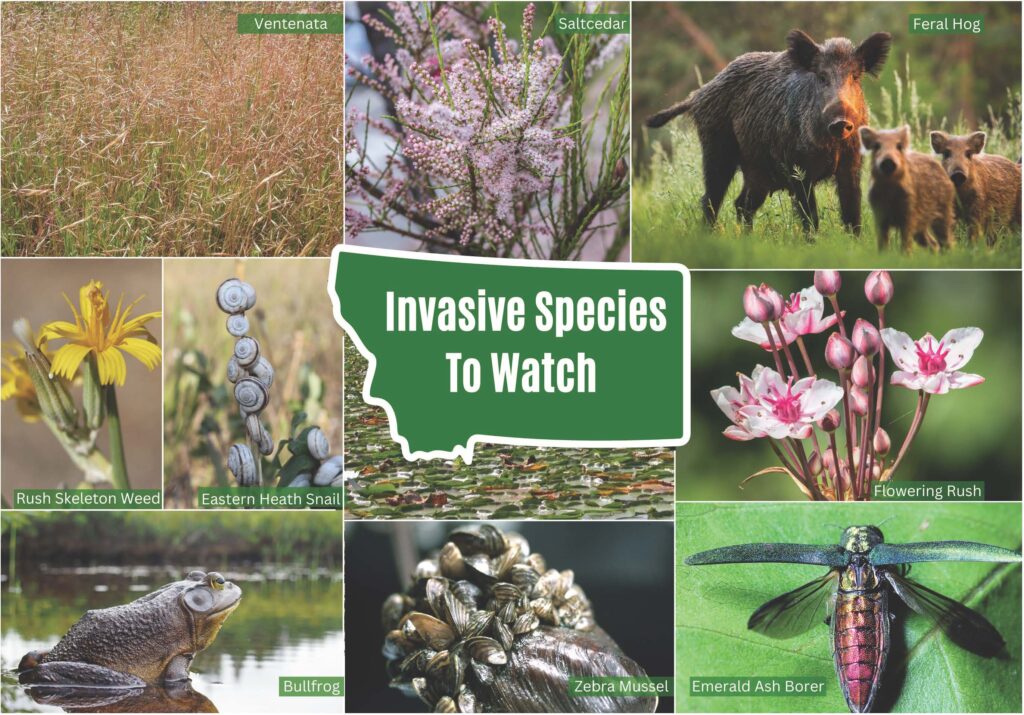
Giant reed is a green colossus, standing tall like a malevolent giant on riverbanks, suffocating local vegetation. With its extensive rhizome network, it outcompetes native plants by monopolizing water and nutrients. The dense stands of this invasive grass can reduce biodiversity, leading to erosion and habitat loss, painting a grim picture of ecological devastation along many American rivers.
3. Emerald Ash Borer
In the quietude of the forest, an invisible assassin lurks. The emerald ash borer, a diminutive beetle with iridescent wings, has wrought havoc upon ash tree populations across the United States. The larvae burrow beneath the bark, effectively crippling the tree’s vascular system. This has profound implications, not only for the ecosystem but also for the timber industry, as ash wood is valued for its strength and beauty.
4. Zebra Mussel
The zebra mussel is a tiny yet formidable invader in the aquatic realm. Originally from Eastern Europe, this fresh-water mollusk’s rapid reproduction can clog water intake pipes, disrupt local ecosystems, and outcompete native mussels. They cling to hard surfaces with tenacity, transforming boats and docks into the unintentional canvases of their spread. Their presence signals a disruption that ripples through the waterway like a pebble cast into a tranquil pond, stirring disarray with each impact.
5. Burmese Python
Picture the swamps of Florida, where the silhouette of the Burmese python slithers through the underbrush. This non-native serpent has become a top predator in the Everglades, preying on a variety of species—from birds to deer. Their proclivity for rapid reproduction and adaptability to diverse habitats allows them to thrive, leading to a decline in native wildlife populations and an unsettling ecological imbalance.
6. Japanese Knotweed
Japanese knotweed acts like an unyielding fortress, sowing its seeds in cracks and crevices of urban landscapes. This resilient plant thrives in diverse environments, often outcompeting native vegetation by sheer force of growth. Its extensive root system can damage foundations and infrastructure, making it not only an ecological threat but a financial burden for property owners seeking to control its relentless spread.
7. Northern Snakehead
Emerging from the murky depths, the northern snakehead is a predator that exudes an aura of menace. Native to Asia and Africa, this fish has the uncanny ability to survive out of water for days, allowing it to traverse land to invade new waterways. Their adaptability and aggressive feeding behavior can decimate local fish populations, contributing to a troubling decline in biodiversity.
8. Common Buckthorn
The common buckthorn presents itself as a formidable thorny adversary in woodlands and prairies. This deciduous shrub’s dark berries may seem innocuous, but they harbor destructive tendencies. Its dense foliage shades out native plants and disrupts avian populations that rely on native species for sustenance. The implications echo through the food web, where imbalance breeds vulnerability amongst the remaining species.
9. European Starling
The European starling, a seemingly innocuous bird, infiltrates American skies in flocks, leaving many to both marvel and lament. These peripatetic birds outcompete native species for nesting sites and food, contributing to declines in populations of songbirds. Their social behavior is mesmerizing but masks a predation on the very essence of America’s avian biodiversity.
10. Spotted Lanternfly
With its striking appearance, the spotted lanternfly might initially be mistaken for an exotic butterfly. Yet, this pest poses a significant threat to agriculture, feeding primarily on the sap of fruit trees and hardwoods. By using its piercing mouthparts, it saps the vitality from its hosts, ultimately leading to diminished yields for farmers and a ripple effect felt throughout local economies.
Invasive species have a way of insinuating themselves into environments where they don’t belong, often transforming thriving ecosystems into shadowy echoes of their former selves. The consequences of their presence create a complex web of challenges—from disrupting food chains and altering habitats to threatening industries reliant on biodiversity. Understanding and combating these invasive species requires a concerted effort, as they are an ever-present reminder of how delicate the balance of nature can be. It is a call to arms for conservationists, ecologists, and every citizen to stand vigilant against these invasions, ensuring that the innate beauty of America’s ecosystems remains intact for generations to come.
FAQ
What are invasive species?
Invasive species are organisms that are non-native to an ecosystem and whose introduction causes harm to the environment, economy, or human health.
Why are invasive species dangerous?
They outcompete native species for resources, disrupt ecosystems, cause economic damage, and can threaten biodiversity.
How do invasive species spread?
They spread through human activities such as trade, travel, and transportation, as well as natural means like water currents and animal movement.
Can invasive species be controlled or eradicated?
Yes, through efforts like physical removal, chemical treatments, biological control agents, and public education.
What can individuals do to help prevent the spread of invasive species?
Individuals can avoid transporting plants or animals to new areas, clean equipment and footwear, and report sightings of invasive species to local authorities.




Leave a Reply