
Short Answer
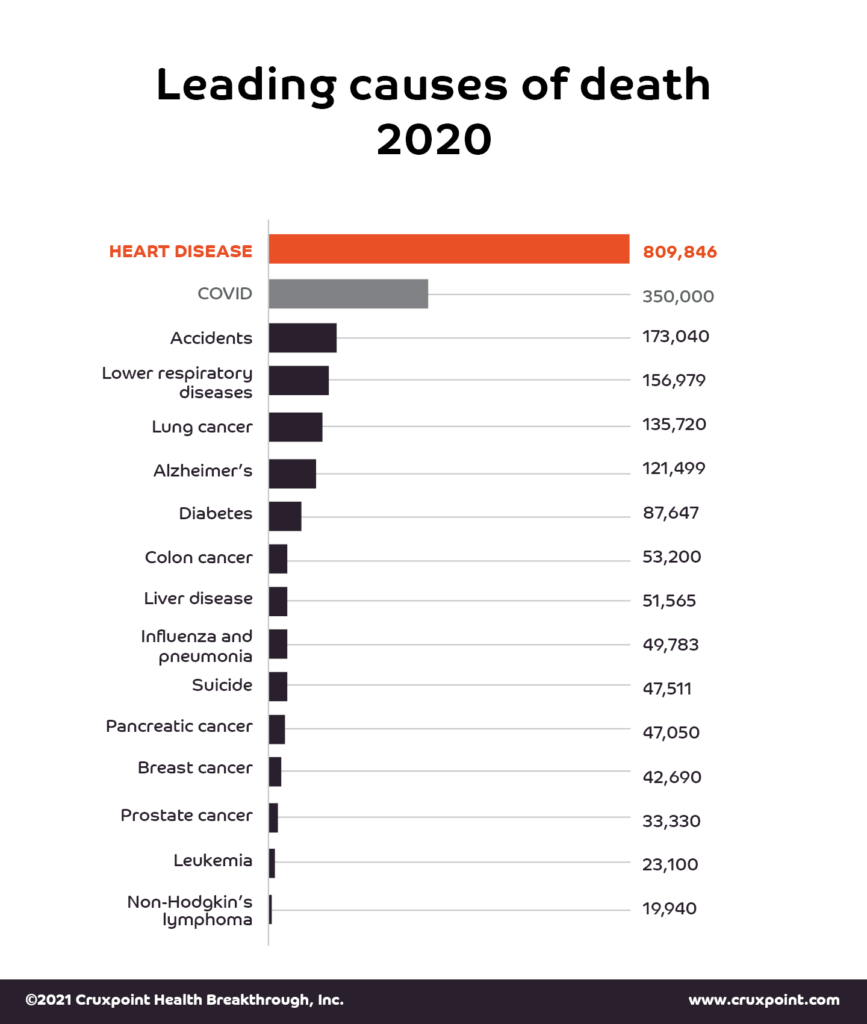
Death, an inevitable aspect of life, serves as a somber reminder of our mortality. However, understanding its leading causes can profoundly shift our perspective on health, disease, and lifestyle. As we delve into the top ten causes of death worldwide, prepare to be enlightened by both familiar adversaries and some that may surprise you. This exploration not only grips our curiosity but also emphasizes the importance of proactive health measures and awareness.
1. Cardiovascular Diseases
Cardiovascular diseases, encompassing a range of heart and blood vessel conditions, dominate the mortality statistics worldwide. From coronary artery disease to stroke, these ailments illustrate the consequences of a sedentary lifestyle and poor dietary choices. The alarming interconnectedness of obesity and hypertension exacerbates the risk, making cardiovascular health a pressing concern across all demographics.
2. Cancer
Cancer represents a formidable foe in the realm of health. Characterized by the uncontrolled growth of abnormal cells, it can manifest in myriad forms such as lung, breast, and colorectal cancer. Each variant presents unique challenges and underscores the importance of early detection. Surprisingly, lifestyle factors such as tobacco use, alcohol consumption, and dietary choices wield significant influence over cancer risk, inviting individuals to reevaluate their habits.
3. Respiratory Diseases
Chronic respiratory diseases, including chronic obstructive pulmonary disease (COPD) and asthma, contribute significantly to global mortality. The air we breathe, often contaminated and laden with pollutants, exacerbates these conditions. For individuals in urban environments, the need for cleaner air is not merely an environmental issue but a vital health imperative, compelling a shift in public and personal values regarding air quality and respiratory health.
4. Neurodegenerative Diseases
Neurodegenerative diseases, such as Alzheimer’s and Parkinson’s, exemplify the challenges of an aging population. These conditions, marked by progressive degeneration of the nervous system, not only diminish cognitive function but also severely impair quality of life. As our world rapidly evolves, the urgency for research and support for affected families underscores a critical societal obligation to address these complex health issues.
5. Diabetes
Diabetes, particularly type 2, is burgeoning at an alarming rate, driven by factors such as obesity and sedentary lifestyles. This disease disrupts the body’s ability to regulate blood sugar, leading to a cascade of health complications, including heart disease, kidney failure, and limb amputation. The stark reality of diabetes invites vigilant awareness and preventive measures, from maintaining a balanced diet to engaging in regular physical activity.
6. Infectious Diseases
Despite significant advances in medicine, infectious diseases continue to claim countless lives globally. Diseases such as HIV/AIDS, tuberculosis, and malaria remain prevalent, particularly in lower-income regions where access to healthcare is limited. These maladies starkly remind us of the disparities in global health systems and the urgent need for innovative solutions and equitable healthcare access to combat these enduring threats.
7. Accidents
Accidents, ranging from road traffic incidents to falls, account for a surprising proportion of deaths worldwide. The randomness of these tragedies serves as a wake-up call about the importance of safety measures and awareness, particularly in environments where risk is prevalent. This reality highlights the necessity for heightened vigilance and personal responsibility in mitigating preventable accidents.
8. Kidney Diseases
Chronic kidney disease (CKD) poses a significant risk, often undetected until late stages due to its insidious nature. Contributory factors include diabetes and hypertension, intertwining with lifestyle choices. The silent progression of CKD emphasizes the need for more robust screening practices and public education focused on kidney health, urging individuals to cherish and protect this vital organ.
9. Liver Diseases
Liver diseases, encompassing conditions like cirrhosis and hepatitis, are frequently linked to lifestyle factors such as excessive alcohol consumption and obesity. The liver’s critical role in metabolizing toxins puts it at the forefront of public health discussions. By fostering a culture of responsible drinking and nutrition, society can combat the rise of liver-related fatalities and promote healthier living.
10. Suicide
Finally, the tragic reality of suicide casts a somber shadow over public health. Mental health issues, including depression and anxiety, often precipitate this heartbreaking outcome. The stigma surrounding mental health must be dismantled; by encouraging open conversations and promoting accessible mental health resources, communities can foster environments conducive to healing and resilience.
Recognizing the leading causes of death worldwide is not just an exercise in statistics but a catalyst for change. The tapestry woven by these diseases and conditions reflects our collective challenges and responsibilities. Awareness of these causes prompts introspection, encouraging individuals to adopt healthier lifestyles, advocate for public health initiatives, and support those affected by these dire health issues. In facing mortality’s reality, we find opportunities to extend life, enhance well-being, and create a more informed and compassionate society.
FAQ
What are the top 3 leading causes of death worldwide?
The top three leading causes of death worldwide are cardiovascular diseases, cancer, and chronic respiratory diseases.
How do lifestyle choices impact the leading causes of death?
Lifestyle choices such as diet, physical activity, smoking, and alcohol consumption significantly influence the risk of developing many leading causes of death, including cardiovascular diseases, cancer, diabetes, and liver diseases.
Why are infectious diseases still a major cause of death globally?
Infectious diseases remain a major cause of death, especially in lower-income regions, due to limited access to healthcare, lack of preventive measures, and ongoing challenges in disease control and treatment.
How can awareness of leading causes of death help improve public health?
Awareness encourages individuals and communities to adopt healthier lifestyles, supports public health initiatives, promotes early detection and treatment, and helps reduce preventable deaths.
What role does mental health play in global mortality?
Mental health issues, including depression and anxiety, contribute to suicide, which is one of the leading causes of death worldwide, highlighting the need for reducing stigma and improving access to mental health care.






Leave a Reply