
Short Answer
The ocean is home to a variety of magnificent creatures, none more awe-inspiring than the mighty shark. These apex predators have fascinated humans for centuries, not only due to their size but also their diverse adaptations and behaviors. Many species of sharks roam the depths of the sea, but which ones claim the title of the largest? In this article, we delve into the top ten largest sharks that glide through ocean waters, revealing their extraordinary characteristics, habitats, and roles within the marine ecosystem.
1. Whale Shark
The leviathan of the seas, the whale shark, reigns supreme among sharks, boasting a length that can extend beyond 60 feet (18 meters). These gentle giants are filter feeders, primarily consuming plankton, tiny fish, and microscopic organisms. Characterized by their unique pattern of spots and stripes, whale sharks inhabit warm waters and are often sighted near coastal regions or in open oceanic expanses. Their docile nature and impressive size make them a popular attraction for divers and snorkelers worldwide.
2. Basking Shark
Second only to the whale shark in size, the basking shark can reach lengths of 40 feet (12 meters) and is another filter feeder. These magnificent creatures resemble their whale cousins but are distinguishable by their long, pointed snouts and large dorsal fins. Basking sharks are typically found in temperate waters, often swimming close to the surface, where they consume zooplankton. Their slow-paced lifestyle and massive jaws make them intriguing subjects for marine biologists.
3. Great White Shark
Known for their formidable reputation, the great white shark ranks among the most recognizable sharks globally. Adult specimens can grow to an impressive 20 feet (6 meters) or more. These apex predators possess keen hunting instincts, utilizing their acute sense of smell and remarkable speed to hunt seals, fish, and even other sharks. Found in coastal and offshore waters in temperate regions, great whites play a crucial role in maintaining the health of marine ecosystems by regulating prey populations.
4. Tiger Shark
The tiger shark, aptly named for the striped patterns that adorn its body, can reach lengths of up to 16 feet (4.8 meters). This species is infamous for its opportunistic feeding habits, often consuming a wide array of prey, from fish and sea turtles to invertebrates and even non-food items. Tiger sharks inhabit tropical and subtropical waters and are primarily nocturnal hunters, showcasing a blend of stealth and ferocity that captivates marine enthusiasts.
5. Mako Shark
The shortfin mako is renowned for its speed and agility, reaching lengths of around 12 feet (3.6 meters). It is the fastest shark species, capable of swimming at speeds up to 45 mph (72 km/h). Mako sharks are highly predatory, primarily feeding on fish, squid, and other sharks. Their streamlined bodies and sharp teeth make them formidable hunters in the open ocean, allowing them to thrive in diverse marine environments.
6. Hammerhead Shark
With their distinctive, flattened heads and wide-set eyes, hammerhead sharks are among the most recognizable of all shark species. The great hammerhead can grow to lengths of up to 20 feet (6 meters). These social creatures often form schools during the day before dispersing to hunt at night. Hammerhead sharks primarily feed on a diet of fish, squid, and crustaceans. Their unique cranial structure enhances their sensory perception, allowing them to detect prey more effectively in the ocean depths.
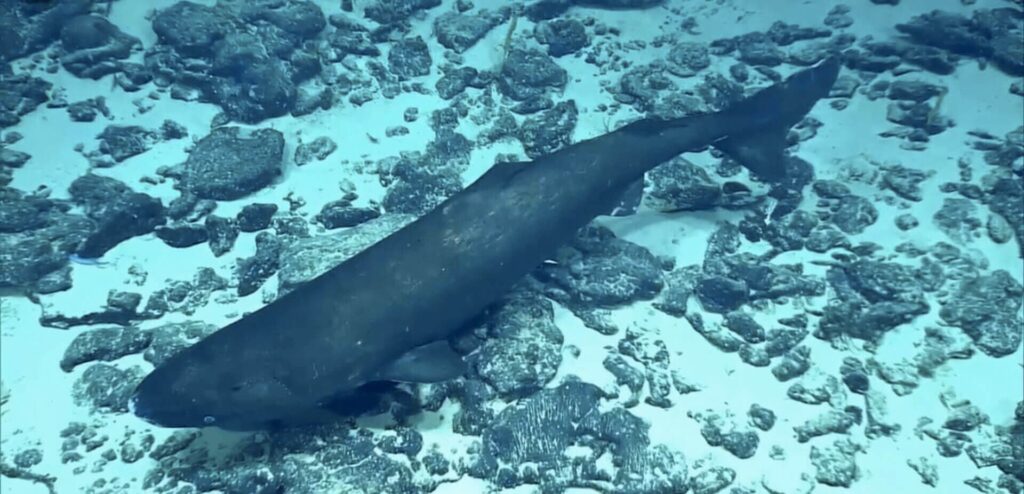
7. Greenland Shark
Among the longest-living vertebrates on Earth, the Greenland shark can exceed lengths of 21 feet (6.4 meters). These cold-water dwellers are often found in the Arctic and sub-Arctic regions. Their remarkably slow growth rate and longevity—some individuals are believed to be over 400 years old—pose intriguing questions about their biology and ecology. Greenland sharks are primarily scavengers, feeding on carrion, fish, and marine mammals, contributing to the ecological balance in their frigid habitats.
8. Pacific Sleeper Shark
Another notable inhabitant of the deep, the Pacific sleeper shark can reach lengths of approximately 12 feet (3.7 meters). This species is known for its elusive nature, residing in deep waters of the Pacific Ocean. Though not much is known about its behavior due to its remote habitat, it is believed to feed on fish and invertebrates, demonstrating the adaptability of sharks to varying environments.
9. Nurse Shark
Typically found in warm coastal waters, nurse sharks can grow to about 14 feet (4.3 meters). Known for their docile demeanor, they are often seen resting on the ocean floor or comfortably nestled in coral reefs. Their flattened bodies allow them to thrive in shallow waters, where they feed primarily on smaller fish, crustaceans, and mollusks. Despite their size, nurse sharks pose minimal threat to humans, fostering a sense of curiosity and admiration among scuba divers and snorkelers.
10. Ragged-tooth Shark
Also known as the spotted gully shark, the ragged-tooth shark can reach lengths of up to 13 feet (4 meters). This species is distinguished by its prominent teeth that protrude even when their mouths are closed. Ragged-tooth sharks inhabit warm coastal waters and are often spotted near the ocean floor, where they prey on smaller fish and crustaceans. Their unique appearance and behavior have made them a fascinating topic for marine research.
In conclusion, the ocean’s greatest predators showcase an astonishing range of sizes, habitats, and behaviors. From the gentle filter feeders like the whale and basking sharks to the ferocious hunters such as the great white and tiger sharks, these incredible creatures play critical roles in maintaining the health and stability of marine ecosystems. Whether you are an avid diver or simply an admirer of nature’s grandeur, learning about these largest sharks can deepen your appreciation for the ocean’s complexity and its inhabitants. The stories of these sharks continue to evoke wonder and inspire conservation efforts, reminding us of the majestic biodiversity our planet holds in its blue depths.
FAQ
What is the largest shark in the ocean?
The largest shark in the ocean is the whale shark, which can grow beyond 60 feet (18 meters) in length.
Are all large sharks dangerous to humans?
No, not all large sharks are dangerous to humans. For example, whale sharks and basking sharks are gentle filter feeders and pose no threat.
Where can great white sharks be found?
Great white sharks are found in coastal and offshore waters in temperate regions around the world.
What makes hammerhead sharks unique?
Hammerhead sharks have distinctive flattened heads with wide-set eyes, enhancing their sensory perception to detect prey more effectively.
Why are Greenland sharks considered unique?
Greenland sharks are notable for their extreme longevity, slow growth rate, and cold-water habitat in Arctic and sub-Arctic regions.




Leave a Reply