
Short Answer
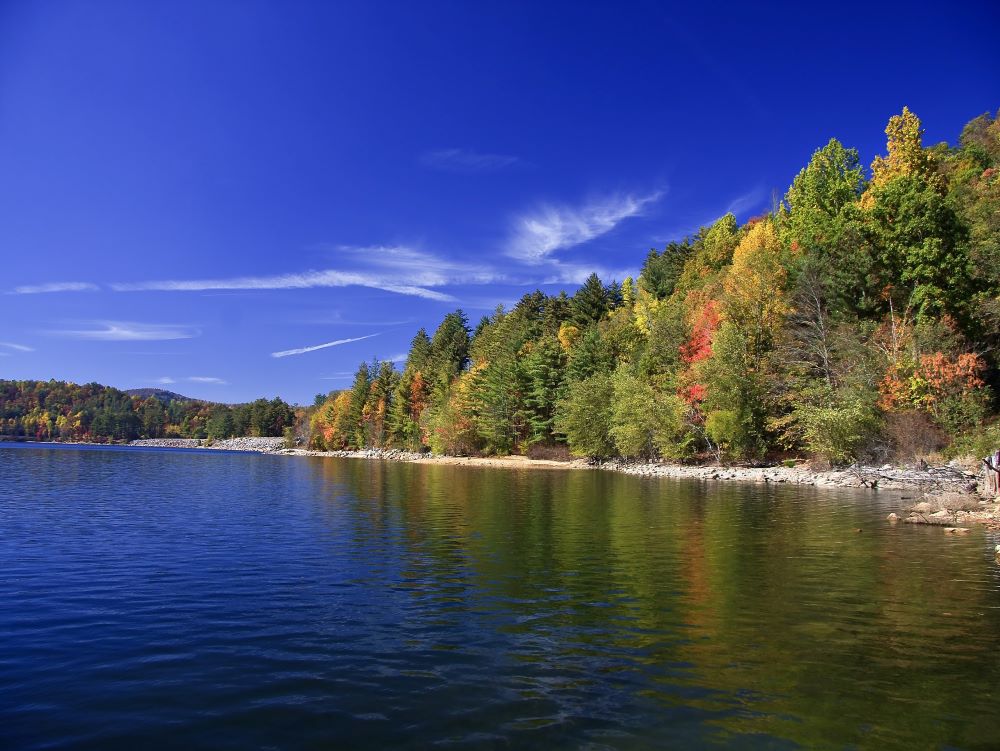
North Carolina is renowned for its stunning landscapes, warm hospitality, and rich history. Among its many natural attractions, the state is home to some of the largest and most magnificent lakes in the United States. These expansive bodies of water not only offer recreational opportunities but also serve as vital habitats for diverse wildlife, contribute to the ecosystem, and provide water resources for local communities. Below, we explore the top ten largest lakes in North Carolina, delving into their unique features, recreational offerings, and historical significance.
1. Lake Norman
Located just north of Charlotte, Lake Norman is the largest man-made lake in North Carolina, encompassing over 32,500 acres. This expansive reservoir was created in the 1960s by damming the Catawba River. Renowned for its stunning waterfront homes and vibrant communities, Lake Norman is a haven for boating, fishing, and water sports. The lake’s numerous coves and islands beckon adventurers, while its scenic beauty captivates nature lovers. The surrounding parks and recreational facilities enhance its appeal, making it a popular destination for family outings and summer getaways.
2. Kerr Lake
Bordering North Carolina and Virginia, Kerr Lake spans approximately 50,000 acres, making it a colossal natural reservoir. Established in the 1960s as part of the Kerr Reservoir Project, this lake is a prime spot for fishing, particularly catfish and bass. Its sprawling beaches, hiking trails, and camping facilities afford visitors the chance to immerse themselves in nature. The intricate shoreline is punctuated by numerous parks, providing ample opportunities for picnicking and wildlife observation amidst a tranquil backdrop.
3. Lake Mattamuskeet
At nearly 40,000 acres, Lake Mattamuskeet is the largest natural lake in North Carolina. Nestled in Hyde County, this expansive wetland is a critical habitat for migratory birds, drawing birdwatchers and nature enthusiasts from afar. The shallow waters and marshy surroundings support an array of aquatic life, making it a site of ecological importance. The lake is also steeped in history, with remnants of Native American settlements and colonial farmland visible along its banks. The annual waterfowl season turns the area into a vibrant hub for hunters and wildlife admirers alike.
4. Jordan Lake
Jordan Lake, situated in the Piedmont region, covers approximately 13,940 acres and is one of the most frequented recreational lakes in North Carolina. Established as part of a flood control project, the lake has become a sanctuary for outdoor activities including fishing, boating, and camping. The surrounding Jordan Lake State Recreation Area offers hiking trails and picnic areas, providing a perfect setting for family gatherings and day trips. With its tranquil waters and picturesque scenery, Jordan Lake is an idyllic escape from urban life.
5. High Rock Lake
Spanning around 15,000 acres, High Rock Lake is regarded as one of the best fishing lakes in North Carolina, attracting anglers year-round. Located near Lexington, the lake boasts a rich variety of fish species, particularly largemouth bass. Its picturesque shores are fringed with lush forests and scenic vistas, elevating the recreational experience. High Rock is also significant historically; it has been an important site for local commerce and continues to play a pivotal role in the community’s culture and economy.
6. Lake Waccamaw
Encompassing approximately 8,800 acres, Lake Waccamaw is a natural lake nestled within a state park in Columbus County. This unique lake is characterized by its exquisite scenery and distinctive ecology, including rare plant species and diverse wildlife. As one of the largest Carolina bays, Lake Waccamaw is a haven for fishing, boating, and birdwatching. The lake’s serene environment fosters relaxation and appreciation for nature, making it a favored spot for weekend retreats.
7. Lake Hiawassee
Located in the Nantahala National Forest, Lake Hiawassee covers about 7,200 acres and is a captivating reservoir formed by the Hiawassee Dam. The lake is renowned for its breathtaking mountain views and clear, pristine waters. It offers a plethora of outdoor activities including boating, kayaking, hiking, and fishing. The tranquil surroundings and cool mountain air provide a perfect backdrop for those seeking both adventure and peace, making it a popular destination for nature lovers and outdoor enthusiasts.
8. Lake Fontana
With over 10,000 acres, Lake Fontana is a remarkable reservoir located in the Great Smoky Mountains. Constructed in the 1940s, the lake serves multiple purposes, including hydroelectric power generation and flood control. Its crystal-clear waters, bordered by lush forests and majestic mountain peaks, draw visitors for a host of recreational activities such as fishing, sailing, and hiking. The Fontana Dam, the highest in the Eastern United States, adds to the lake’s allure, attracting photographers and history buffs alike.
9. Lake Cumberland
Lake Cumberland, while primarily associating with Kentucky, extends its shoreline into North Carolina, spanning approximately 65,000 acres overall. The lake is celebrated for its stunning vistas, making it a prime location for boating, jet skiing, and house boating. The surrounding landscape offers abundant hiking opportunities and facilities for camping, contributing to an invigorating outdoor lifestyle. The convergence of activities and natural beauty makes Lake Cumberland an excellent destination for family adventures.
10. Lake Toxaway
Though smaller in size at around 1,300 acres, Lake Toxaway stands out for its crystal-clear waters and dramatic mountain scenery. Nestled in the Blue Ridge Mountains, this private lake attracts visitors seeking an exclusive retreat. The pristine environment is ideal for fishing and kayaking, while the surrounding area boasts upscale accommodations and local dining options. Lake Toxaway exemplifies a harmonious blend of luxury and nature, making it a coveted escape.
As we traverse the aquatic landscapes of North Carolina, it becomes evident that these vast bodies of water are more than mere recreational sites; they embody the spirit of the state, marrying natural beauty with cultural heritage and preserving vital ecosystems. The lakes evoke a depth of appreciation and fascination, drawing residents and travelers alike to engage with the splendor and serenity of the Carolinas’ aquatic treasures. These lakes not only enhance our understanding of North Carolina’s environment but also invite us to reflect on our own connection to the natural world.
FAQ
What is the largest lake in North Carolina?
Lake Norman is the largest man-made lake in North Carolina, covering over 32,500 acres.
Which lake is the largest natural lake in North Carolina?
Lake Mattamuskeet is the largest natural lake in North Carolina, spanning nearly 40,000 acres.
Are these lakes suitable for recreational activities?
Yes, the lakes offer various recreational activities such as fishing, boating, hiking, camping, and birdwatching.
Do any of these lakes have historical significance?
Yes, several lakes like Lake Mattamuskeet and Lake Fontana have historical importance related to Native American settlements, colonial history, and dam construction.
Which lakes are known for fishing?
High Rock Lake, Kerr Lake, and Lake Norman are especially popular fishing destinations for species like largemouth bass and catfish.




Leave a Reply