
Short Answer
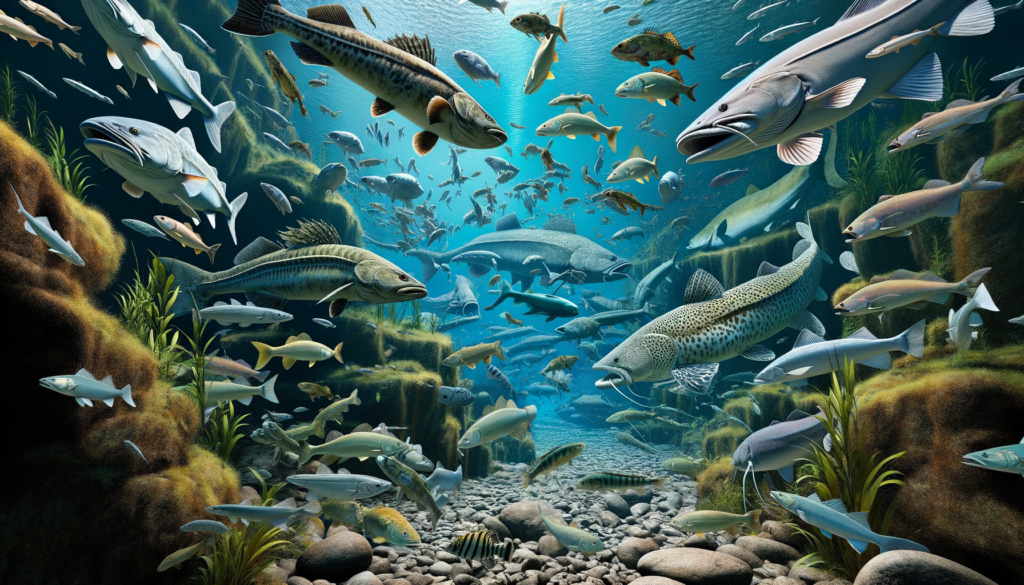
When it comes to North America’s waterways, they harbor an astonishing variety of aquatic life, particularly among freshwater fish. With some species reaching enthralling sizes, it beckons us to ponder: What are the largest freshwater fish that reside in these diverse habitats? While many fishing enthusiasts chase trophy-sized catches, these massive marvels present both a challenge and a fascination. In this exploration, we will traverse through the largest freshwater fish found in North America, showcasing their unique characteristics and habitats. Get ready to dive deep into the watery world where these giants dwell!
1. Sturgeon (Family Acipenseridae)
Sturgeons are among the most ancient fish families, with fossil records dating back over 200 million years. Found primarily in the Great Lakes and several large rivers, these behemoths can exceed 14 feet in length and weigh over 1,500 pounds. The lake sturgeon, one of the most notable species, is easily recognized by its elongated body, bony scutes, and long snout. Sturgeons are bottom feeders, scavenging on invertebrates, and are renowned for their roe, which is processed into caviar, a delicacy that adds to the challenges of their conservation.
2. Alligator Gar (Atractosteus spatula)
Native to the southern U.S., the alligator gar is an incredible sight in the murky waters of rivers and lakes. Reaching lengths of up to 10 feet and weighing up to 300 pounds, this prehistoric fish is distinguished by its long snout filled with sharp teeth. Its unique armor-like scales provide formidable protection. The challenge of spotting an alligator gar is heightened by its ability to “breathe” air through a swim bladder, allowing it to thrive in oxygen-poor environments.
3. Mississippi Paddlefish (Polyodon spathula)
The Mississippi paddlefish, famous for its flat, paddle-shaped snout, can grow up to 7 feet long and weigh over 200 pounds. Found in the Mississippi River and its tributaries, this ancient species is a filter feeder, consuming tiny zooplankton. Despite their massive size, paddlefish are often elusive, adding an extra layer of intrigue. Unfortunately, they face threats from habitat destruction, making encounters with these unique fish increasingly rare.
4. Mekong Giant Catfish (Pangasius gigas)
While not native to North America, the Mekong giant catfish deserves mention due to its impressive size. Reaching lengths of over 10 feet and weights of up to 600 pounds, this fish is one of the largest freshwater species in the world. Its presence in aquariums and fisheries across North America creates a desire among anglers to replicate the experiences of catching such a titanic fish. The Mekong giant catfish is critically endangered due to overfishing and habitat loss, posing a significant conservation challenge.
5. Blue Catfish (Ictalurus furcatus)
The blue catfish, native to North America, is a popular species among anglers and can grow to lengths of over 5 feet and weights exceeding 100 pounds. Recognizable by its deep, forked tail and blue-hued skin, this species thrives in large rivers, reservoirs, and lakes. The sheer size and fighting ability of blue catfish present an enticing challenge for both novice and experienced anglers. Its rapid growth rate, however, raises questions about sustainability with increasing fishing pressure.
6. Flathead Catfish (Pylodictis olivaris)
Flathead catfish are another contender in the realm of gigantic freshwater fish, known for their distinctive flat head and strong body. Typically found in rivers and lakes of the Midwest and South, these fish can grow up to 5 feet long and weigh more than 100 pounds. Their impressive size denotes a formidable predator, adept at hunting smaller fish. The ongoing popularity of flathhead catfishing presents a challenge for conservationists as these fish face habitat encroachment and pollution.
7. Northern Pike (Esox lucius)
The northern pike is a ferocious predator, often reaching lengths of 3 to 5 feet and weighing up to 55 pounds. With an elongated body and sharp teeth, the pike embodies the thrill of the catch—striking swift and often unpredictably. This species inhabits lakes, ponds, and slow-moving rivers across much of North America. For anglers, targeting large pike can prove to be both an exhilarating and challenging pursuit, as their aggressive nature and speed require adept fishing tactics.
8. Tiger Musky (Esox masquinongy)
A hybrid of the northern pike and the muskie, the tiger musky can reach impressive speeds, growing over 5 feet and weighing upwards of 50 pounds. This elusive predator thrives in the waters of the Great Lakes and northern rivers. Anglers relish the challenge of catching a tiger musky, given their tendency to be less cooperative than their northern relatives. Their enigmatic nature adds an air of mystery, making them “the fish of a thousand casts.”
9. White Sturgeon (Acipenser transmontanus)
The white sturgeon is another member of the sturgeon family, revered as one of the largest and oldest freshwater fish in North America. Found in the Pacific Northwest and extending into parts of Canada, these fish can grow over 20 feet long and weigh more than 1,800 pounds. Their unique anatomy, which includes a shark-like fin and bony plates, makes them distinct. Conservation efforts are critical, as they are threatened by overfishing and habitat degradation, posing a challenge for future generations.
10. Walleye (Sander vitreus)
While they may not reach the same dimensions as some of the giants listed above, walleyes still merit recognition, as they can grow over 30 inches and can weigh more than 10 pounds. They possess keen eyesight, especially in low visibility conditions, making them top predators in their environment. The allure of the walleye drives many fishing enthusiasts to seek them out, presenting a unique challenge due to their elusive nature during daylight hours.
In conclusion, North America’s freshwater systems are home to an astonishing array of large fish, each presenting unique challenges and ecological significance. From the ancient sturgeon to the agile predatory pike, these species play pivotal roles in their ecosystems and highlight the need for robust conservation efforts. As anglers and nature lovers alike engage with these water giants, the continued effort to protect their habitats will determine the legacy of these magnificent fish for future generations. So, the next time you cast your line, consider the larger picture—how can we ensure the survival of these aquatic leviathans?
FAQ
What is the largest freshwater fish in North America?
The white sturgeon is the largest freshwater fish in North America, reaching lengths over 20 feet and weights over 1,800 pounds.
Are all the fish species listed native to North America?
Most species are native, except the Mekong giant catfish, which is native to Southeast Asia but mentioned due to its size and presence in some North American aquariums.
Why is conservation important for these large freshwater fish?
Many face threats from overfishing and habitat loss, so conservation helps preserve biodiversity and ecosystem balance.





Leave a Reply