
Short Answer
The world is an intricate tapestry of cultures, languages, and histories, woven together by the threads of human populations that inhabit its vast expanses. Understanding the demographic landscape is not just an exercise in numbers; it paints a vivid picture of how different nations contribute to global dynamics. This article delves into the ten largest countries by population, examining the societal frameworks, challenges, and distinctiveness that define these populous nations.
1. China
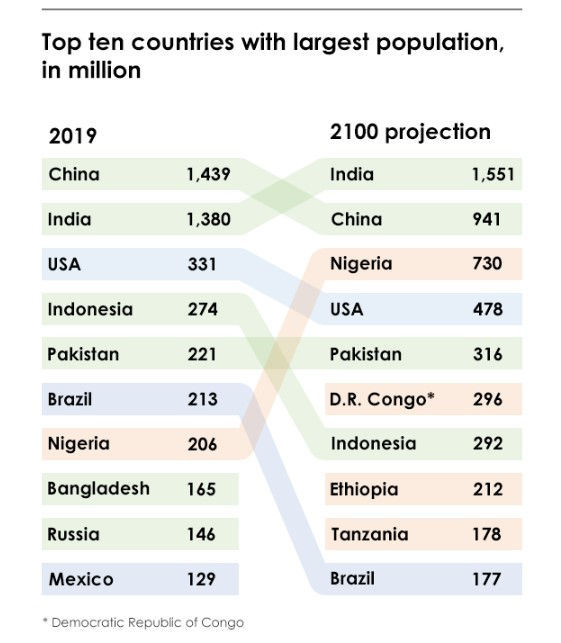
Boasting a staggering population that exceeds 1.4 billion, China reigns supreme as the most populous country on the globe. This nation is a rich amalgamation of ancient traditions and modern innovations. China’s rapid industrialization over the last few decades has propelled its economy to new heights, yet it grapples with significant challenges such as urbanization, environmental degradation, and the implications of an aging population. Additionally, China’s cultural diversity is vast, with 55 recognized ethnic minorities contributing to a multifaceted societal fabric.
2. India
Trailing closely behind China, India’s population surpasses 1.4 billion as well, and projections suggest it may soon overtake China. The vibrancy of Indian culture is reflected in its myriad languages, religions, and traditions. However, this populous nation faces multifarious challenges, such as poverty alleviation, educational reforms, and healthcare access. The juxtaposition of modern cities like Mumbai and archaic rural lifestyles illustrates the dichotomy that characterizes India. The resilience and innovation of its people, particularly among its burgeoning tech sector, are commendable.
3. United States
With a population of approximately 331 million, the United States stands as the third-largest country by population. A melting pot of cultures, the U.S. is often viewed as a beacon of opportunity that has attracted immigrants from every corner of the globe. This diverse populace contributes to a rich tapestry of customs, beliefs, and practices. Challenges such as social inequality, healthcare accessibility, and political polarization present significant concerns. Nonetheless, the entrepreneurial spirit and cultural dynamism are hallmarks of American society, driving innovation and change.
4. Indonesia
Indonesia is the most populous country in Southeast Asia and ranks fourth globally, with a population of over 270 million people. An archipelago of more than 17,000 islands, Indonesia is a veritable paradise of biodiversity and cultural variety. The nation is predominantly Muslim, yet it is home to numerous religions and ethnic groups, fostering a unique fusion of traditions. However, Indonesia faces critical challenges, including natural disaster readiness and environmental sustainability, especially given its vulnerability to climate change and deforestation.
5. Pakistan
पाकिस्तान, with a population of approximately 225 million, is the fifth-largest country by population. Its history is deeply intertwined with that of India, and its culture reflects a synthesis of various traditions. The demographic profile is predominantly youthful, which presents both opportunities and challenges for economic growth. However, issues such as political instability, educational rigor, and health resources remain pressing hurdles. The bright spirit of the Pakistani people shines through in their art, music, and resilience amidst adversity.
6. Brazil
With around 213 million inhabitants, Brazil secures its position as the sixth-most populous country. Known for its vibrant culture, including the iconic Carnival and rich musical heritage, Brazil is a vast country defined by its spectacular biodiversity and economic potential. However, social disparities and environmental degradation, particularly in the Amazon rainforest, pose significant challenges. The fusion of cultures, predominantly influenced by indigenous, African, and European elements, creates a distinctively dynamic societal ethos.
7. Nigeria
Nigeria, with a population of over 206 million, is the most populous country in Africa and is often referred to as the “Giant of Africa.” The nation’s array of ethnic groups, languages, and rich cultural heritage makes it a microcosm of the continent itself. However, Nigeria grapples with profound challenges, such as corruption, economic instability, and security issues stemming from insurgency groups. The entrepreneurial spirit of its youth, coupled with a growing technological landscape, offers a glimpse of hope for a more prosperous future.
8. Bangladesh
Bangladesh, with a population of approximately 166 million, ranks eighth among the world’s most populous countries. This South Asian nation is renowned for its textile industry and the resilience of its people, who have weathered numerous challenges over the years, including natural disasters and economic constraints. The cultural tapestry of Bangladesh is woven from various influences, chiefly Islamic traditions and Bengali heritage. Yet, the country must navigate issues such as poverty, political instability, and environmental concerns.
9. Russia
Russia, the largest country by landmass, is home to around 146 million people, ranking ninth in global population statistics. This vast nation spans eleven time zones and encompasses a multitude of ethnic groups and languages. Its rich cultural heritage is showcased in literature, music, and art. Nevertheless, Russia faces demographic challenges linked to an aging population and health crises. The balance between preserving cultural identity and modern influences remains a pivotal aspect of the Russian experience.
10. Mexico
Rounding out the list is Mexico, with a population of about 130 million. Mexico is celebrated for its rich history, vibrant culture, and culinary diversity. The country grapples with complexities such as immigration, economic inequality, and public safety, yet the warmth and resilience of its people shine through. The fusion of ancient Aztec and Maya influences with contemporary practices illustrates Mexico’s unique cultural tapestry, captivating visitors and residents alike.
In conclusion, the ten largest countries by population not only reflect significant numerical values but also embody a wealth of cultural, social, and economic dynamics. From challenges in public health to the allure of unique traditions, each nation presents a narrative rich with potential and complexity. As the global population continues to grow, understanding these diverse societies becomes increasingly vital for fostering connections and addressing the challenges of our interconnected world.
FAQ
What is the most populous country in the world?
China is currently the most populous country in the world, with a population exceeding 1.4 billion.
Which country is expected to overtake China in population size soon?
India is projected to surpass China as the most populous country due to its high population growth.
What are some common challenges faced by the most populous countries?
Challenges include urbanization, environmental degradation, healthcare access, social inequality, and political instability.
Why is understanding population important?
Understanding population helps in planning for economic development, resource allocation, and addressing social and environmental issues.





Leave a Reply