
Short Answer
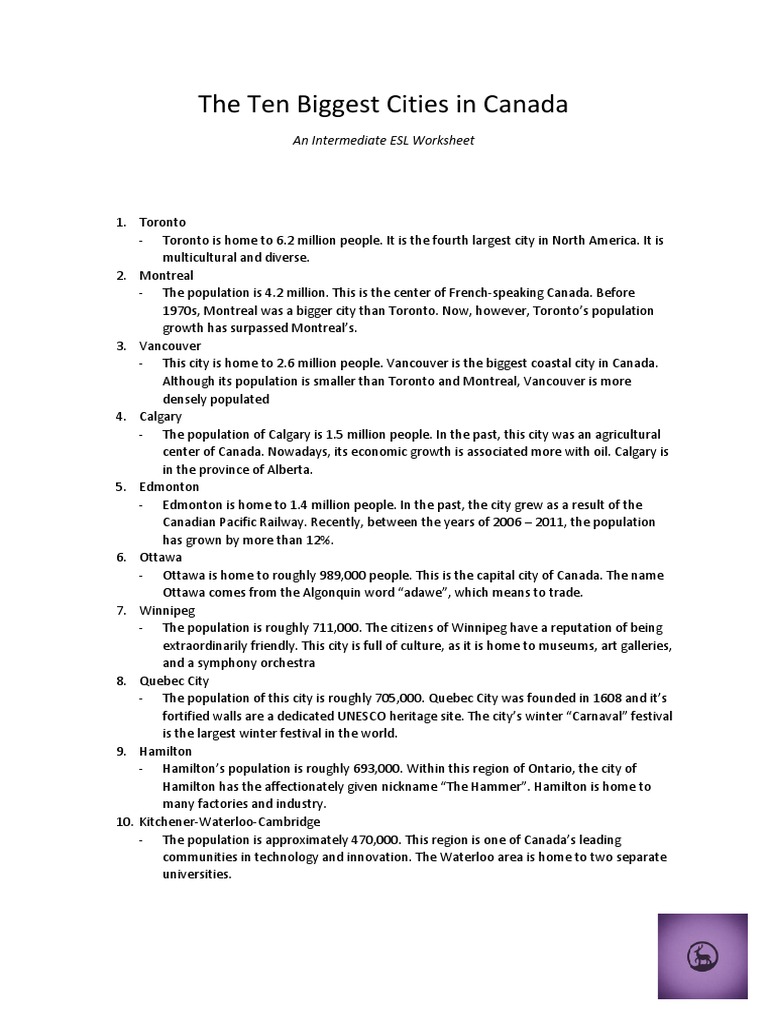
Canada, the vast and varied land that stretches from the Atlantic to the Pacific, is home to a plethora of cities that reflect its rich cultural mosaic and geographic diversity. Among these urban centers, there exists a selection of metropolises that not only captivate inhabitants but also attract visitors from around the world. This article delves into the top ten largest cities in Canada, examining their unique characteristics, cultural contributions, and the factors that make them fascinating destinations.
1. Toronto, Ontario
As Canada’s most populous city, Toronto serves as an economic powerhouse and a cultural epicenter. Known for its striking skyline dominated by the CN Tower, this metropolis boasts a population exceeding 2.7 million. Toronto’s vibrancy is manifested through its eclectic neighborhoods, each offering a unique flavor, from the historic Distillery District adorned with Victorian architecture to the contemporary vibe of the waterfront. The city’s rich diversity is also reflected in its cuisine, with an extensive array of international dining options available, satisfying the most discerning of palates.
2. Montreal, Quebec
Transitioning from English-speaking Toronto to the French-speaking realm of Montreal unveils a city steeped in history and culture. With over 1.7 million residents, Montreal is renowned for its artistic flair and festival culture, hosting events such as the Montreal International Jazz Festival and Just for Laughs. The city’s architectural landscape is a stunning juxtaposition of historical buildings like the Notre-Dame Basilica and modern structures such as the new Palais des congrès. The influence of European culture permeates the streets, providing a unique atmosphere that enchants locals and tourists alike.
3. Calgary, Alberta
Calgary, often recognized for its proximity to the majestic Rocky Mountains, is home to approximately 1.5 million inhabitants. Known as a hub for the oil industry, the city has diversified its economy over the years, flourishing with cultural institutions like the Calgary Zoo and the Art Gallery of Calgary. The annual Calgary Stampede, often dubbed “The Greatest Outdoor Show on Earth,” epitomizes the city’s Western heritage, attracting visitors who flock to experience its vibrant rodeo events and lively parades.
4. Ottawa, Ontario
The nation’s capital, Ottawa, houses around 1 million residents and is replete with historical significance and national monuments. As home to Parliament Hill, the city is a political nucleus that also embraces a plethora of museums, such as the National Gallery of Canada and the Canadian Museum of History. The Ottawa River provides a scenic backdrop for outdoor activities, while the Rideau Canal transforms in winter into the world’s largest skating rink. This blend of politics, culture, and nature contributes to Ottawa’s magnetic allure.
5. Edmonton, Alberta
Edmonton, situated just north of Calgary, boasts a population of approximately 1 million. Known as the “Gateway to the North,” it serves as a vital center for commerce and culture in northern Alberta. The city’s extensive river valley park system offers ample opportunities for recreation, making it a haven for outdoor enthusiasts. Edmonton is also famous for its festivals, including the International Fringe Theatre Festival and the Edmonton Oilers’ hockey games, igniting local pride and engaging community spirit.
6. Mississauga, Ontario
Just west of Toronto, Mississauga is a suburban city with a population of over 700,000. Its rapid growth has transformed it into a vibrant urban hub. The city’s diverse landscape features shopping centers like Square One and picturesque waterfront parks along Lake Ontario. Moreover, Mississauga plays a crucial role in the Greater Toronto Area’s economy, housing several large corporations and a burgeoning tech scene. This blend of residential areas, corporate offices, and recreational spaces creates a dynamic living environment.
7. Winnipeg, Manitoba
Winnipeg serves as Manitoba’s capital and boasts a population of around 750,000. This city is celebrated for its rich Indigenous heritage and its pivotal role in Canadian history. Cultural landmarks such as The Forks, where the Red and Assiniboine Rivers meet, illustrate this historical significance. Winnipeg’s vibrant arts scene, encapsulated in festivals like Folklorama, highlights its cultural diversity and community engagement. The city’s winters may be harsh, but the warmth of its residents shines through, making it a welcoming destination.
8. Vancouver, British Columbia
Vancouver, with its stunning natural surroundings, is a city of contrasts that accommodates approximately 675,000 residents. Nestled between mountains and ocean, it is renowned for its outdoor lifestyle, with activities ranging from hiking and skiing to kayaking. The city is an economic driver, characterized by a thriving film industry and innovative tech companies. Moreover, Vancouver’s multicultural fabric is palpable in its diverse neighborhoods, where culinary offerings span the globe.
9. Brampton, Ontario
Brampton, known as “The Flower City,” is rapidly growing, housing over 600,000 people. Its rich cultural tapestry mirrors the broader diversity of the Greater Toronto Area. The city has become a focal point for immigrants, infusing the local culture with vibrant festivals, a variety of cuisines, and a plethora of languages spoken. Brampton’s commitment to green spaces and community well-being further enhances its appeal as a modern urban landscape.
10. Hamilton, Ontario
Finally, Hamilton, with over 570,000 residents, stands as a testament to the evolution of Canadian cities. Once an industrial powerhouse, Hamilton is now reinventing itself as a center for arts and culture. The city’s burgeoning art galleries, live music venues, and historic architecture draw visitors eager to experience its unique charm. Natural beauty abounds with the picturesque Niagara Escarpment, providing a stunning backdrop to this transformed urban landscape.
In summary, the largest cities in Canada offer a microcosm of the nation’s diverse identity. Each metropolis brings its unique blend of culture, history, and opportunity, making them not only places to live but also experiences to embrace. From the linguistic charm of Montreal to the urban dynamism of Toronto, each city enriches the Canadian experience, reflecting the tapestry of a country renowned for its inclusiveness and natural beauty. As one traverses these urban landscapes, it becomes evident that Canada’s largest cities are not merely places on a map but vibrant communities with stories waiting to be told.
FAQ
Which city is the largest in Canada by population?
Toronto, Ontario is the largest city in Canada by population, with over 2.7 million residents.
What factors contribute to the ranking of Canada's largest cities?
Population size, economic impact, cultural significance, and geographic diversity are key factors.
Are these cities culturally diverse?
Yes, many of Canada’s largest cities such as Toronto, Montreal, and Vancouver are known for their multicultural communities and diverse cultural offerings.
What is unique about Ottawa among Canada's largest cities?
Ottawa is the nation’s capital and political center, known for its national monuments, museums, and the Rideau Canal.


Leave a Reply