
Short Answer
Iran, a land of rich cultural heritage and breathtaking landscapes, is often shrouded in misconceptions. Nestled between the Caspian Sea and the Persian Gulf, this ancient civilization boasts a plethora of intriguing attributes that cater to a spectrum of interests. From its historical prominence to its culinary diversity, here are the top 10 most interesting facts about Iran that reveal the complexities and splendor of this multifaceted country.
1. A Cradle of Civilization
Iran, historically known as Persia, is one of the world’s oldest continuous major civilizations. Its history spans over 5,000 years, with the establishment of the Elamite Kingdom around 3000 BC marking its inception. The rise of the Achaemenid Empire in the 6th century BC showcased a remarkable administrative prowess and cultural flourishing, setting the stage for an extensive tapestry of historical epochs that includes the Parthians and Sassanids.
2. Diverse Geography
The geographical diversity of Iran is nothing short of breathtaking. Encompassing vast deserts, towering mountain ranges like the Alborz and Zagros, and lush forests in the north, the nation offers a veritable smorgasbord of natural beauty. The Dasht-e Kavir and Dasht-e Lut are among the hottest spots on Earth, while the verdant Caspian Hyrcanian mixed forests boast unique biodiversity, showcasing Iran’s ecological variety.
3. Home to Persian Arts
Iranian art, encompassing intricate carpets, exquisite tiles, and mesmerizing miniatures, reflects a deep-seated cultural ethos. Persian carpets, with their elaborate patterns and vibrant colors, are not merely decorative objects but narrate stories of Iranian history and mythology. Additionally, traditional Persian calligraphy and poetry, immortalized by icons such as Rumi and Hafez, continue to influence art forms worldwide.
4. Pride in Cuisine
Iranian cuisine tantalizes the palate with its rich flavors and diverse ingredients. Infused with herbs, spices, and natural fragrances, dishes like kebabs, saffron-infused rice, and stews such as Ghormeh Sabzi or Fesenjan reflect the earthiness and vibrancy of the region’s agricultural bounty. Iranians take significant pride in their culinary traditions, often gathering around large family meals that foster a deep sense of community.
5. A Khazar Legacy
Situated at the crossroads of civilizations, Iran has been a melting pot of various cultures. During the medieval era, the Khazar Empire thrived in the region, contributing to a rich exchange of ideas and goods. The interactions between Muslim, Jewish, Christian, and Zoroastrian communities birthed a unique tapestry of cultural influences that persists to this day, making Iran a true icon of coexistence.
6. The Persian Language
Farsi, or Persian, is the official language of Iran and serves as a linguistic bridge connecting its historical narratives and contemporary expressions. Renowned for its poetic cadence and depth, Farsi culture is steeped in literary heritage. The eloquence of Persian prose is matched only by its ability to encompass concepts that resonate with the human experience, making it not only a means of communication but also a conduit for artistic expression.
7. Architectural Marvels
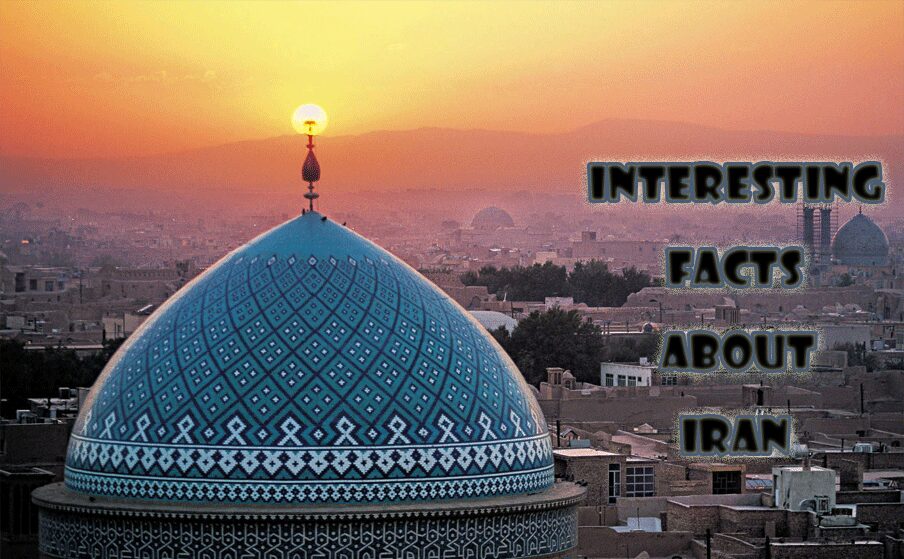
The architecture of Iran is a mesmerizing amalgam of pre-Islamic and Islamic influences, offering a glimpse into its illustrious past. Iconic landmarks such as the majestic Persepolis, a UNESCO World Heritage site, once served as a ceremonial capital of the Achaemenid Empire. Additionally, the stunning mosques of Isfahan, adorned with intricate tile work and soaring minarets, embody the spiritual fervor and artistic ingenuity that define the nation’s architectural legacy.
8. A Thriving Economy
While often stereotyped as a monolithic entity, Iran’s economy is multifaceted, with significant contributions from various sectors. Agriculture, petroleum, and minerals play a crucial role, but there is also a burgeoning technology sector. Iranian startups are emerging in fields such as information technology and biotechnology, showcasing the nation’s resilient spirit and innovative potential despite economic sanctions and challenges.
9. Religious Diversity
Although predominantly Islamic, Iran is home to a tapestry of religious minorities, including Zoroastrians, Jews, Christians, and Baha’is. This religious mosaic enriches the nation’s cultural landscape and provides insights into its historical narratives. Celebrations for diverse religious observances—such as Nowruz, the Persian New Year, which marks the vernal equinox—illustrate the harmonious coexistence of various traditions within Iranian society.
10. The Qanats
A marvel of ancient engineering, qanats are systems of underground aqueducts developed to transport water from aquifers in elevated areas to arid regions. This ingenious irrigation technique, still utilized today, showcases the longstanding relationship between Iranians and their environment. Recognized by UNESCO for their cultural significance, qanats represent sustainable practices that have supported livelihoods for centuries.
In conclusion, Iran is a nation steeped in history and rich in diversity. From its illustrious historical roots and remarkable geographical landscapes to a thriving cultural scene, the complexities of Iranian identity cannot be understated. Whether it’s the culinary delights or the artistic expressions, Iran continues to enchant those who seek to explore its hidden depths. Understanding this vibrant land, with its multifaceted characteristics, fosters a greater appreciation for the nuances of global cultures.
FAQ
What is Iran historically known as?
Iran was historically known as Persia and is one of the world’s oldest continuous major civilizations.
What are qanats and why are they significant?
Qanats are ancient underground aqueduct systems used in Iran to transport water from aquifers to arid regions, showcasing sustainable engineering recognized by UNESCO.
What languages are spoken in Iran?
The official language of Iran is Farsi, also called Persian, which is renowned for its poetic and literary heritage.
What are some key features of Iranian cuisine?
Iranian cuisine is characterized by rich flavors, herbs, spices, and dishes like kebabs, saffron rice, and stews such as Ghormeh Sabzi and Fesenjan.
What religions are present in Iran?
While predominantly Islamic, Iran is home to religious minorities including Zoroastrians, Jews, Christians, and Baha’is.





Leave a Reply