
Short Answer
Life, as we know it, is a fleeting experience for the vast majority of beings that inhabit our planet. Yet, within the rich tapestry of the animal kingdom, there exist remarkable organisms that seem to flirt with mortality, often defying the very concept of aging and death. These extraordinary creatures compel us to rethink our understanding of life, longevity, and the mechanisms that govern existence. Delve into the fascinating realm of immortality as we explore ten remarkable animals that challenge our perceptions of life and death.
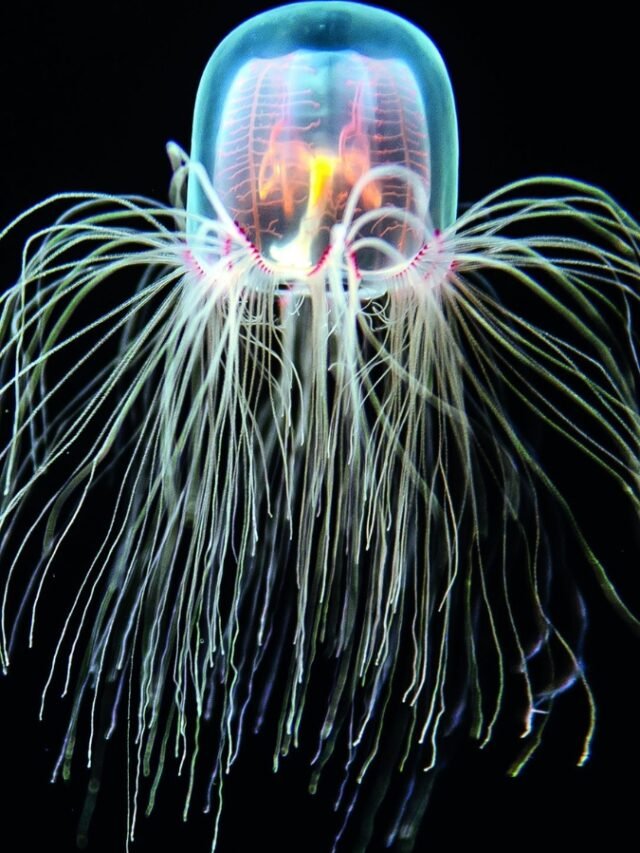
1. Turritopsis dohrnii – The Immortal Jellyfish
Often hailed as the poster child for biological immortality, the Turritopsis dohrnii possesses a remarkable ability to revert to its juvenile polyp stage after reaching maturity. This unique process, termed transdifferentiation, allows it to effectively “reset” its life cycle. When faced with adverse environmental conditions or physical damage, this jellyfish can transform its cells, returning to a previous phase of existence. In doing so, it evades the clutches of death, exemplifying an evolutionary marvel that stirs both wonder and intrigue.
2. Hydras – Tiny Freshwater Organisms
Hydras are small, tubular creatures that thrive in freshwater environments, boasting an impressive capacity for regeneration. Through a combination of stem cell proliferation and a unique biological makeup, hydras exhibit negligible senescence; they show little to no signs of aging. When subjected to harsh conditions, these creatures can regenerate lost body parts or even replace entire tissues. This regenerative prowess raises profound questions about the aging process, as hydras effectively lead a life unbound by the constraints of time.
3. Lobsters – Nature’s Fountain of Youth
While lobsters may not be immortal in the traditional sense, they possess a fascinating biological characteristic that warrants closer inspection. Lobsters produce an enzyme called telomerase, which repairs and lengthens their telomeres—protective caps on the ends of chromosomes that deteriorate with age. The continuous production of telomerase allows lobsters to maintain their reproductive capabilities and bodily functions well into old age. However, environmental factors and predation ultimately take their toll, highlighting the complex interplay between biology and mortality.
4. Planarian Flatworms – Masters of Regeneration
Planarian flatworms are well-known in the scientific community for their extraordinary regenerative abilities. When cut in half, a planarian can regenerate a complete individual from each severed section. Their remarkable capacity for cellular reprogramming and stem cell activity grants them a form of biological immortality. As they can evade aging and continuously produce offspring via asexual reproduction, these cunning creatures invite both admiration and scientific curiosity.
5. Tardigrades – Water Bears Defying Extremes
Resilient and seemingly indestructible, tardigrades, also known as water bears, are microscopic organisms that can withstand extreme conditions that would be fatal to most other life forms. While not immortal in the classic sense, tardigrades can enter a state called cryptobiosis, allowing them to halt their metabolism and effectively survive extreme desiccation, radiation, and temperature fluctuations. This robust survival mechanism provides them with a unique ability to cheat death temporarily, inspiring research into the limits of life’s resilience.
6. Greenland Sharks – Slow and Steady
The Greenland shark is another fascinating entity that defies our conventional understanding of longevity. With an estimated lifespan that can exceed 400 years, these apex predators reside in the cold, dark waters of the Arctic and North Atlantic. Their slow growth and reproductive rates contribute to their prolonged lifespan, while their unique metabolic adaptations allow them to thrive in frigid environments. Studying the Greenland shark offers profound insights into the mysteries of aging and longevity in the animal kingdom.
7. Sea Urchins – Echinoderms of Agelessness
Sea urchins have drawn the attention of researchers due to their remarkable ability to resist the aging process. Their capacity for maintaining a robust immune system and cellular repair mechanisms enables them to live for over a century. The secrets of their longevity lie within their cellular biology, particularly their telomere length and regenerative potential. Investigating the biology of these spiny echinoderms may yield breakthroughs in understanding human aging and tissue regeneration.
8. Bare-Eared Zokor – Underground Longevity
This burrowing rodent, native to China, possesses a unique biological feature that protects it against the aging process. The bare-eared zokor exhibits low levels of oxidative stress and high levels of resistance to age-related diseases. Its special adaptations facilitate a long life spent underground, where it remains relatively sheltered from predators. The secrets of this unassuming rodent encourage further exploration of genetic and biochemical factors that contribute to longevity.
9. Black Sea Turtles – Long-Lived Reptiles
Known for their impressive lifespans, black sea turtles can live for over a century, evading predators and environmental threats through their natural adaptations. Their slow reproductive rate, along with efficient cellular repair mechanisms, contributes to their extended longevity. By studying these creatures, scientists hope to uncover the factors that have allowed them to thrive for so long in the face of declining populations due to human activity.
10. Bowhead Whales – Giants of the Arctic
The bowhead whale stands as a testament to longevity, with lifespans that can exceed 200 years. Equipped with a thick layer of blubber for insulation and an ability to thrive in icy waters, these massive mammals display remarkable adaptability. Their prolonged life can be attributed to a combination of genetics, low exposure to disease, and their natural habitat. The study of bowhead whales reveals both the intricacies of marine ecosystems and insights into aging across species.
In conclusion, the natural world harbors an astonishing array of animal species that defy our understanding of mortality. Through evolutionary ingenuity, regenerative capabilities, and adaptations to their environments, these remarkable beings invite us to expand our perspective on life itself. By investigating the mechanisms behind their longevity, we unlock not only the mysteries of their existence but also the secrets that may offer new insights into our own. The promise of longevity, both biologically and philosophically, continues to inspire curiosity and fascination, urging us to delve deeper into the mysteries of life.
FAQ
What animals are considered biologically immortal?
Animals such as the Turritopsis dohrnii jellyfish, hydras, and planarian flatworms are considered biologically immortal due to their ability to regenerate or reverse aging processes.
How do telomeres affect aging in animals?
Telomeres protect chromosome ends and their length correlates with cellular aging. Some animals produce telomerase to maintain telomere length, slowing aging.
Can studying immortal animals help human aging research?
Yes, understanding the mechanisms behind animal longevity and regeneration can provide insights into human aging and potential therapies.



Leave a Reply