
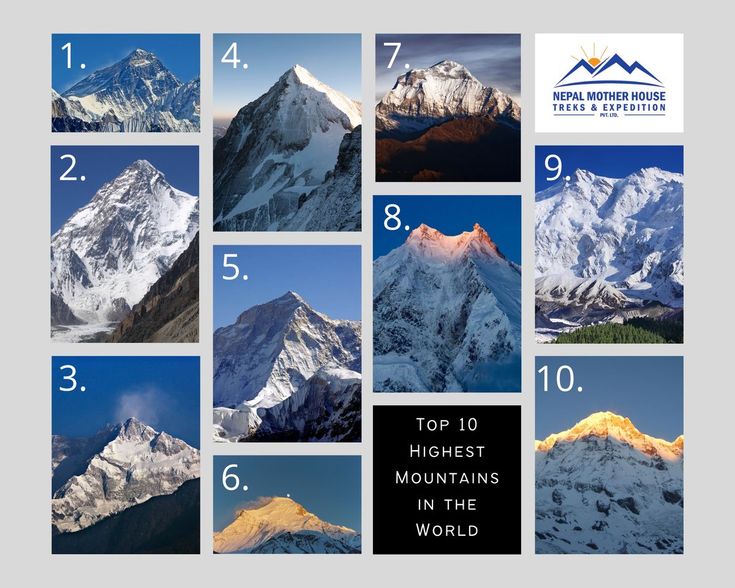
Short Answer
Mountains have long captivated the human imagination, towering above the earth like ancient sentinels, each whispering its own story of grandeur and resilience. They serve not merely as geological formations but as symbols of aspiration and introspection, reflecting our deepest desires to conquer the unyielding and explore the unknown. Beyond their dizzying heights, the world’s highest peaks hold myriad mysteries, enchanting adventurers and scholars alike with their majestic charm and daunting challenges. Below, we delve into the ten highest mountain peaks on Earth, each a testament to nature’s awe-inspiring artistry and a reminder of humanity’s relentless pursuit of greatness.
1. Mount Everest – 8,848.86 m (29,031.7 ft)
Situated in the Himalayas, straddling the border between Nepal and Tibet, Mount Everest reigns as the pinnacle of earthly summits. Its name evokes images of intrepid climbers braving treacherous conditions in pursuit of glory. The allure of Everest lies not just in its elevation but also in the profound stories of those who have ventured to its formidable slopes, facing physical and emotional trials that test the very limits of human endurance. The Sherpa community, intimately connected with Everest, bestows wisdom and resilience, further enriching its legacy.
2. K2 (Mount Godwin-Austen) – 8,611 m (28,251 ft)
K2, located in the Karakoram Range on the border of Pakistan and China, is often considered the “Savage Mountain.” This peak’s sheer difficulty in climbing, coupled with its relative remoteness, births a magnetism that draws those with indomitable spirits and an assiduous penchant for adventure. The mountain’s characterized steep pitches and unpredictable weather have claimed numerous lives, earning it a reputation as one of the most perilous ascents on Earth. K2 symbolizes not just the thrill of adventure but also the sobering reality of nature’s might.
3. Kangchenjunga – 8,586 m (28,169 ft)
The third highest peak, Kangchenjunga, crowns the border of Nepal and India. Revered in various local cultures, it stands as equal parts venerated entity and mountaineering challenge. For those who tread its slopes, the journey is suffused with spiritual significance, often likened to a pilgrimage rather than mere recreation. The peak’s name means “Five Treasures of Snow,” a reference to the mountain’s five distinct summits, which are enshrined in folklore and legends, adding an ethereal quality to its imposing presence.
4. Lhotse – 8,516 m (27,940 ft)
Lhotse, often overshadowed by its more famous neighbor, Everest, is located in the same massif and is celebrated for its dramatic South Face. This peak’s essence lies in its technical climbing challenges that reward only the most skilled. Each ascent of Lhotse reveals not just a geographic wonder but a deeper connection to the mountain’s geology and history, exposing climbers to an array of breathtaking vistas and the stories of those who previously attempted the ascent.
5. Makalu – 8,485 m (27,838 ft)
Like a jagged spear piercing the sky, Makalu stands as a paragon of natural beauty. Its distinctive pyramid shape adds to its allure and has intrigued mountaineers and artists alike. The mountain lies within the Makalu-Barun National Park, a haven for biodiversity and home to some of the rarest flora and fauna on the planet. Climbing Makalu is not merely a feat of physical strength but a communion with nature—an expedition rich with ecological insight as climbers navigate its largely unspoiled terrains.
6. Cho Oyu – 8,188 m (26,864 ft)
Widely considered one of the most accessible of the eight-thousanders, Cho Oyu straddles the Nepal-Tibet border. Its relatively moderate ascent beckons climbers seeking to experience the thrill of high-altitude mountaineering without the extreme challenges of other giants. However, the charm of Cho Oyu extends beyond its summit; it stands as a beacon of both beauty and serenity, nourishing adventurers’ souls with its breathtaking panoramas, while also serving as an essential juncture for many expeditions towards more formidable neighboring peaks.
7. Dhaulagiri – 8,167 m (26,795 ft)
Dhaulagiri, the highest mountain entirely within Nepal, commands the gaze of onlookers with its formidable south face, deemed one of the most challenging in the world. Its ascent is steeped in history, as it was the first mountain over 8,000 m ever to be summited. With its uncompromising terrain and intricate climatic conditions, climbing Dhaulagiri is a tribute to tenacity and skill, and a reminder of the perseverance required to reach great heights, both literally and metaphorically.
8. Manaslu – 8,163 m (26,781 ft)
Known as the “Mountain of Spirit,” Manaslu is steeped in cultural significance for the local Tibetan communities. The mountain is renowned for not just its challenging climbs but also its rich history, having remained relatively isolated until the mid-20th century. This isolation has preserved its natural beauty, allowing climbers who trek to its base camp to experience an authentic journey through untouched landscapes filled with diverse wildlife and unique cultural experiences.
9. Nanga Parbat – 8,126 m (26,660 ft)
Often dubbed the “Killer Mountain,” Nanga Parbat lives up to its fearsome reputation with its steep faces and treacherous weather conditions. Located in Pakistan, this mountain’s ascent has perplexed many skilled climbers for decades, adding to its mystique. The allure of Nanga Parbat extends into its storied past, where legends of climbers and adventurers intertwine with tales of loss and triumph, solidifying its place in the annals of mountaineering lore.
10. Annapurna I – 8,091 m (26,545 ft)
The final peak in this illustrious ranking, Annapurna I, is notorious for its high fatality rate among climbers. Its fearsome reputation contrasts sharply with its striking beauty. Annapurna’s stark, majestic landscape is adorned with a stunning array of colors, especially during sunrise, igniting a sense of enchantment for those fortunate enough to witness it. Climbing Annapurna I is an endeavor that often serves as a crucible for climbers, making it a poignant reminder of their aspirations and the intrinsic risks of seeking to conquer such formidable landscapes.
In celebrating these ten towering peaks, we engage not only with their extraordinary characteristics but also with the deeper truths they reveal about the human experience. Each mountain embodies a different facet of our yearning for exploration, serving as both a destination and a metaphor for the heights we aspire to reach in our own lives. The magnificent mountains remind us that while we strive for achievement, we must also embrace humility before nature’s grandeur. As climbers pursue these lofty summits, they encounter not just challenges but revelations about resilience, teamwork, and the enduring spirit of discovery.
FAQ
What is the highest mountain peak in the world?
Mount Everest is the highest mountain peak in the world, standing at 8,848.86 meters (29,031.7 feet).
Why is K2 called the 'Savage Mountain'?
K2 is known as the ‘Savage Mountain’ due to its extreme climbing difficulty, steep pitches, unpredictable weather, and high fatality rate.
Which is considered the most accessible eight-thousander peak?
Cho Oyu is considered one of the most accessible eight-thousand-meter peaks, offering relatively moderate climbing challenges.
What cultural significance do some of these peaks have?
Mountains like Kangchenjunga and Manaslu hold spiritual and cultural importance for local communities, often considered sacred or pilgrimage sites.
What are the risks of climbing the highest peaks?
Climbing the highest peaks involves risks such as extreme weather, avalanches, altitude sickness, and difficult terrain, leading to high fatality rates on some mountains like Annapurna I.





Leave a Reply