
Short Answer
Throughout the natural world, the sheer magnitude of life is nothing short of astonishing. While we marvel at the grace of the cheetah or the intricate patterns of a butterfly, there exists a realm of giants that command our attention for their size and weight. The heftiest creatures on Earth not only inspire awe but also evoke curiosity about their adaptations, habitats, and roles within their ecosystems. In this exploration, we delve into the top ten heaviest animals on our planet, shedding light on the traits that allow them to thrive while simultaneously prompting reflection on our own relationship with the environment.
1. Blue Whale
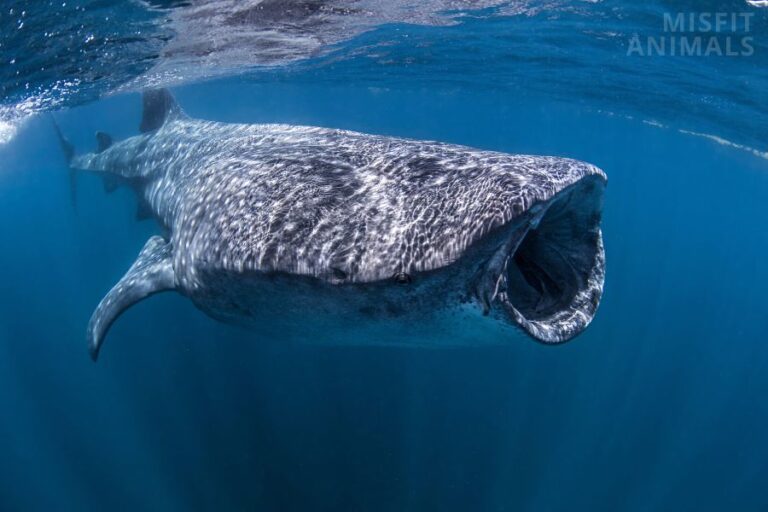
The blue whale, identified as the largest animal ever to inhabit the Earth, can weigh up to 200 tons. This marine leviathan stretches an impressive 100 feet in length, with a heart comparable to the size of a small car. Its colossal frame is supported by a unique aquatic physiology, allowing it to navigate the ocean depths effortlessly. The blue whale’s sheer size serves as a testament to the richness of the marine ecosystem, underscoring the importance of preserving oceanic habitats to ensure the survival of such magnificent beings.
2. African Elephant
The African elephant reigns as the heaviest land mammal, with adult males tipping the scales at around 12 tons. Their massive ears, which act as natural radiators, are instrumental in regulating body temperature. These elephants display exceptional intelligence and social structures, often forming matriarchal herds. More than just a symbol of strength, the African elephant plays a pivotal role in its ecosystem as a seed disperser, shaping the landscapes they inhabit and maintaining the delicate balance of their environment.
3. Sperm Whale
Sperm whales, with males averaging around 45 tons, are the largest toothed predators on the planet. Their deep dives to astonishing depths in search of squid highlight their remarkable adaptations. The unique composition of their heads, filled with spermaceti—a waxy substance—enables them to navigate using echolocation. Sperm whales invoke fascination not only for their size but also for their complex social structures and vocalizations, which create a rich tapestry of communication beneath the waves.
4. Walrus
The walrus, with its distinct tusks and blubbery physique, weighs as much as 2 tons. These marine mammals are fully adapted to Arctic life, relying on thick layers of blubber to insulate against frigid waters. Their remarkable ability to dive to great depths in search of clams and other benthic organisms marks walruses as formidable foragers. Furthermore, their communal behavior and social interactions highlight the intricate dynamics of life in extreme environments.
5. Indo-Pacific Humpback Dolphin
The Indo-Pacific humpback dolphin, reaching weights of up to 1,100 pounds, captivates with its acrobatics and intelligence. This species is noted for its distinctive hump and often resides in coastal waters. Their playful demeanor and intricate social structures are indicative of a complex intellect. The challenges they face, such as habitat degradation and pollution, serve as a nexus for conversation around conservation efforts, prompting a deeper understanding of humanity’s impact on marine life.
6. Giraffe
While not the heaviest in sheer weight, the giraffe stands tall at up to 18 feet and can weigh around 2,600 pounds. Their lengthy necks are not merely adaptations for reaching foliage among the treetops; they also serve as tools for male-to-male combat during mating rituals. Giraffes embody the delicate balance of nature’s design, where height affords them both advantages and disadvantages in terms of predation and foraging. Observing these majestic creatures wandering across the savannah incites a reverence for the interconnectedness of life.
7. Saltwater Crocodile
The saltwater crocodile, the largest living reptile, can weigh over 2,200 pounds and measure up to 23 feet in length. Renowned for their voracious appetite and strength, these apex predators are perfectly adapted to their aquatic environments. Their extraordinary endurance and stealth during hunting make them formidable. Studying crocodiles reveals a lineage that has persisted for over 200 million years; they intrigue us with their primal qualities, drawing a parallel between ancient and modern times.
8. Hippo
The hippopotamus, often underestimated due to its somewhat docile image, can weigh around 4,000 pounds. These semi-aquatic mammals are surprisingly agile both in water and on land. Despite their seemingly benign demeanor, hippos are known to be among the most dangerous animals in Africa, fiercely protective of their territory. Their dual lifestyle of grazing at dusk and basking during the day underscores both their power and vulnerability, raising questions about coexistence with humans.
9. Kodiak Bear
Kodiak bears boast a weight range of approximately 800 to 1,500 pounds during the fattening season. These giants, one of the largest bear species, engage in a remarkable feeding frenzy to prepare for hibernation. Their impressive mass emphasizes the critical role of ecological balance, highlighting how fluctuations in prey populations and habitats directly affect their survival. Observing these bears in their natural habitat challenges us to reflect on the fragility of ecosystems.
10. Horse
While not as inherently heavy as the preceding entries, the draft horse, such as the Shire or Clydesdale, can weigh upwards of 2,000 pounds. These working horses were historically vital for agriculture, transportation, and industry. Their strength and endurance not only showcase their physical capacity but also illustrate the symbiotic relationship between humans and animals throughout history—a reminder of the historical reliance on these majestic creatures.
In conclusion, the grandeur of the heaviest animals on Earth sparks fascination and offers profound insights into the intricacies of our planet’s biodiversity. These titanic beings are not merely examples of size but are also reflections of the evolutionary processes and environmental interdependencies that shape life as we know it. Their existence reminds us of the delicate balance maintained within ecosystems—one that demands respect, appreciation, and concerted efforts to protect from the myriad threats posed by an ever-changing world.
FAQ
What is the heaviest animal on Earth?
The blue whale is the heaviest animal on Earth, weighing up to 200 tons.
Which land animal is the heaviest?
The African elephant is the heaviest land mammal, with males weighing around 12 tons.
Why is the blue whale so large?
The blue whale's large size is supported by unique aquatic adaptations that allow it to thrive in ocean environments.
Are all the heaviest animals endangered?
Many of these animals face threats from environmental changes and human activities, prompting conservation efforts.




Leave a Reply