
Short Answer
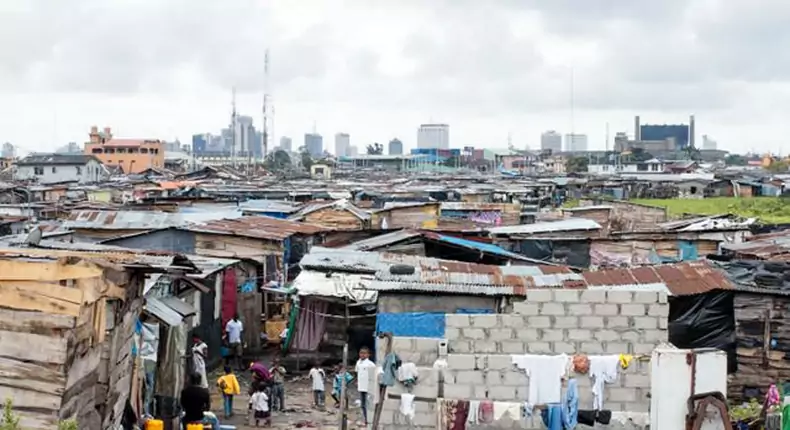
Homelessness is a multifaceted challenge that affects millions of individuals and families across the globe. As urbanization continues to accelerate and economic disparities widen, certain countries grapple with significantly higher homeless rates than others. Understanding the nuances behind these statistics is crucial for addressing the systemic issues at play. This article delves into the ten countries with the highest rates of homelessness, examining the socio-economic, political, and cultural factors that contribute to this pressing humanitarian crisis.
1. United States
The United States has long been a focal point in discussions surrounding homelessness, largely due to its juxtaposition of vast wealth and profound poverty. In cities like Los Angeles and New York, tent cities and makeshift shelters proliferate, fueled by soaring rental prices, insufficient mental health services, and a lack of affordable housing. The country’s emergency response often involves temporary measures rather than long-term solutions, further entrenching the issue. Federal programs exist, but inadequate funding and policy inconsistencies impede widespread effectiveness.
2. India
With its burgeoning population, India faces a staggering homeless crisis. Estimates suggest that millions live on the streets or in temporary shelters, particularly in metropolitan areas like Mumbai and Delhi. Factors contributing to this phenomenon include rapid urban migration, economic disparity, and inadequate governmental support. Furthermore, social stigmas surrounding certain communities exacerbate the situation, often leaving marginalized groups without access to basic necessities or social services, resulting in a pervasive cycle of poverty.
3. Philippines
The Philippines has witnessed a significant uptick in homelessness, particularly after natural disasters and economic downturns. Urban migration, compounded by inadequate infrastructure and lack of affordable housing, has led to sprawling informal settlements. Vulnerable populations, including those affected by recent typhoons and the pandemic, have been disproportionately impacted. Government responses have included temporary shelter initiatives, but long-term solutions remain elusive, often hindered by bureaucratic inefficiency.
4. Brazil
Brazil’s vibrant culture often masks its severe homelessness crisis. Major cities like São Paulo and Rio de Janeiro display stark contrasts between opulence and destitution. Economic instability, coupled with high unemployment rates, has led to increased homelessness. The phenomenon of ‘street dwellers’ often reflects broader social issues, such as addiction and mental health challenges. While temporary housing programs exist, they frequently lack the necessary resources to enact comprehensive solutions.
5. Mexico
Mexico’s homelessness crisis is characterized by urban poverty and disenfranchisement. High rates of migration, both from rural areas and neighboring countries, contribute to the overwhelming presence of homeless individuals in cities like Mexico City. The dual crises of drug violence and economic inequality exacerbate this issue, leaving many without access to basic public services. Despite government programs aimed at housing, the implementation often falls short, leaving a significant number of people on the streets.
6. Kenya
Kenya has seen a pronounced increase in homelessness, particularly in urban hubs like Nairobi. Rapid rural-to-urban migration, often prompted by poverty and conflict, has resulted in insufficient housing and infrastructure. Many individuals are displaced due to land evictions, and informal settlements have become commonplace. Despite some governmental efforts to improve housing and social services, political instability and corruption have hindered progress, leaving many Kenyans vulnerable to homelessness.
7. Russia
In Russia, the homeless population has risen notably since the dissolution of the Soviet Union, which saw an increase in economic difficulties and social dislocation. Major urban areas like Moscow and St. Petersburg are home to thousands living in dire conditions. Factors such as alcoholism, mental health disorders, and a lack of effective social safety nets contribute significantly to this crisis. Government responses include temporary shelters, but the systematic issues remain inadequately addressed.
8. Afghanistan
The situation in Afghanistan is dire, with homelessness exacerbated by decades of conflict and political instability. Displaced populations fill the streets of cities such as Kabul, often due to war-related dislocation and economic destitution. The humanitarian response is hampered by both resource constraints and continual insecurity, leaving many Afghans without stable housing or prospects for recovery. Cultural stigmas further complicate efforts to reintegrate vulnerable populations into society.
9. South Africa
South Africa grapples with profound socio-economic divides that manifest starkly in homelessness. Even in affluent areas, the presence of homeless individuals highlights inequality. Economic challenges, exacerbated by high unemployment rates and inadequate public services, contribute to a burgeoning homelessness crisis. Although governmental and NGO initiatives offer some support, long-term strategies that address systemic inequality are essential for meaningful change.
10. France
France, known for its social programs, still contends with significant homelessness, particularly in urban centers like Paris. Despite comprehensive social policies, economic fluctuations have left many vulnerable, particularly during downturns. The presence of migrant populations contributes to the already diverse subset of the homeless. Government initiatives and NGO support exist, but bureaucratic hurdles often impede coordinated efforts toward effective solutions.
In conclusion, homelessness is a complex, global issue that transcends borders, affecting diverse populations in multifarious ways. Addressing this crisis requires a concerted effort involving comprehensive policy changes, sustainable economic strategies, and heightened societal awareness. As countries confront their unique challenges, the fight against homelessness remains an essential human rights concern that demands urgent attention and innovative solutions.
FAQ
What are the main causes of homelessness in these countries?
The main causes include economic disparity, rapid urbanization, lack of affordable housing, mental health issues, political instability, and social stigmas.
Which countries have the highest homelessness rates?
According to the article, the countries with the highest homelessness rates include the United States, India, Philippines, Brazil, Mexico, Kenya, Russia, Afghanistan, South Africa, and France.
What are common challenges faced in addressing homelessness globally?
Challenges include inadequate funding, policy inconsistencies, bureaucratic inefficiency, social stigmas, and lack of long-term solutions.
Are there any effective government programs to reduce homelessness?
Many countries have emergency shelter programs and temporary housing initiatives, but these often lack the resources or comprehensive approaches needed for long-term impact.






Leave a Reply