
Short Answer
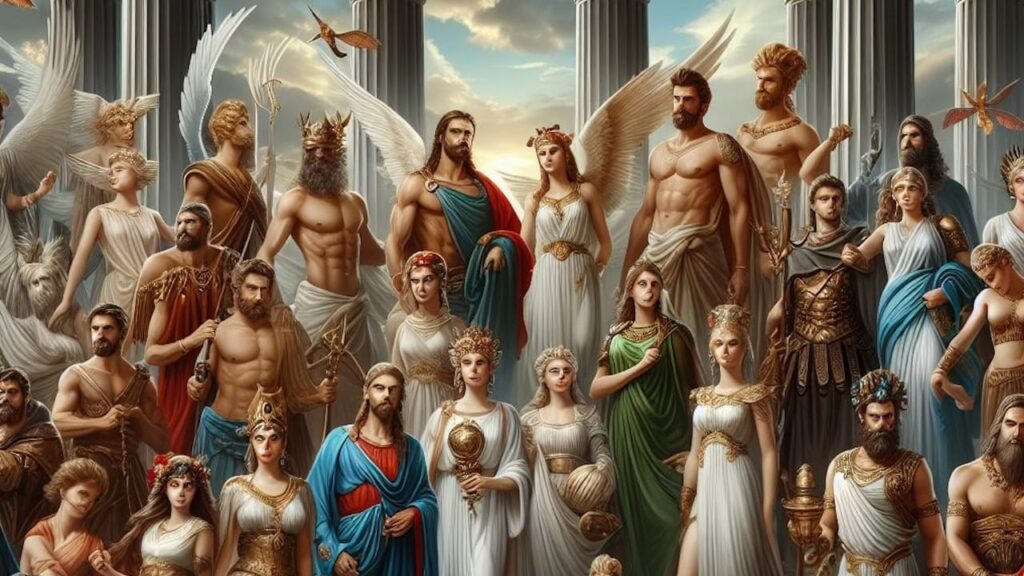
Greek mythology, with its rich tapestry of deities, heroes, and mythic beasts, serves as an eternal wellspring of narrative splendor and moral introspection. These characters not only shaped an ancient civilization’s beliefs and customs but also continue to captivate modern imaginations, evoking themes of love, betrayal, vengeance, and redemption. This exploration delves into the top ten Greek mythology characters, each embodying unique traits and narratives that resonate across time.
1. Zeus: The Thunderer of Olympus
As the paramount deity of the Greek pantheon, Zeus reigns supreme over Mt. Olympus, a celestial monarch wielding the thunderbolt as both weapon and symbol of authority. His character embodies the duality of power—capricious yet just, benevolent yet wrathful. Every flash of lightning and rumble of thunder echo the assertive nature of a god whose affairs, both divine and mortal, shape the course of destiny. Through his escapades, he navigates the labyrinth of human emotions, a stark reminder of the flaws residing even in divine beings.
2. Athena: The Goddess of Wisdom
Athena, born from the brow of Zeus, represents the cerebral aspect of warfare and strategy. With her wise counsel and tactical prowess, she stands as a guardian of civilized life and an advocate for justice. Often depicted with an olive branch, Athena symbolizes peace and prosperity. Yet, she does not shy away from the battlefield, showing that wisdom and valor are not mutually exclusive. Her multifaceted nature serves as a profound metaphor for the balance between intellect and action.
3. Hades: The Ruler of the Underworld
Shrouded in an aura of darkness and mystery, Hades, the lord of the Underworld, governs the realm of the dead. Unlike the villains of mortal imagination, Hades exudes a complex persona marked by somber dignity rather than malicious intent. He embodies the inevitability of death; a necessary counterpart to life, fostering an appreciation for the transient nature of existence. His abduction of Persephone echoes a tragic narrative, entwining themes of love and loss through the eternal cycle of seasons.
4. Persephone: The Maiden of Spring
Persephone, daughter of Demeter, traverses the boundaries of life and death, embodying the very essence of transformation. Her dual existence as the queen of the Underworld and goddess of spring reflects the cyclical nature of life—an eternal dance between joy and sorrow. Her story epitomizes resilience; from a captive to a queen, Persephone signifies the reclamation of agency, inspiring those who seek to rise from their own shadows, reminding all that rebirth often follows great adversity.
5. Heracles: The Legendary Hero
Heracles, often depicted as the epitome of strength and endurance, represents the quintessential hero’s journey. His Twelve Labors, arduous tasks that pushed him to the brink, symbolize the struggle against overwhelming odds. These epic feats narrate not only physical triumphs but also an emotional odyssey toward redemption, showcasing the notable theme that true strength often resides in vulnerability. The trials of Heracles serve as metaphors for human resilience—a clarion call to embrace challenges head-on.
6. Aphrodite: The Goddess of Love and Beauty
Aphrodite, the enchanting goddess whose allure transcends the superficial, embodies the complexities of love. While often associated with romantic desire, her influence extends into the realms of compassion, beauty, and longing. In a world woven with intrigue and heartache, she is a reminder of love’s dual power—capable of both creating and destroying. Her relationships, particularly with Ares, illustrate love’s tempestuous nature, evoking the interplay between passion and strife as an inexorable force shaping human fate.
7. Odysseus: The Wily Adventurer
The legendary king of Ithaca, Odysseus, personifies the archetype of the clever hero, navigating the treacherous waters of fate with intellect and guile. His odyssey, a ten-year journey of trials and tribulations, illustrates the essence of perseverance and ingenuity. Rather than brute strength alone, Odysseus’s character illustrates the importance of wit and wisdom in overcoming life’s myriad challenges. Through cunning and resilience, he embarks on a quest not just for home but for self-discovery—a metaphorical voyage into the heart of what it means to be human.
8. Prometheus: The Bringer of Fire
Prometheus, the titan famed for stealing fire from the gods, embodies the spirit of rebellion and the quest for knowledge. His act of defiance symbolizes the insatiable human thirst for enlightenment and progress. However, the consequent punishment he endures illustrates a profound truth: the pursuit of knowledge often demands a steep price. As an eternal symbol of sacrifice, Prometheus’s narrative challenges us to consider the ethical implications of innovation and the burdens that accompany advanced understanding.
9. Dionysus: The God of Wine and Ecstasy
Dionysus, the exuberant deity of wine, revelry, and transformation, invites exploration into the dual nature of ecstasy and chaos. His festivals became embodiments of liberation, where societal norms dissolved, revealing underlying human instincts. This god represents the thin line between joy and madness, showcasing how intoxication can unleash both creativity and destruction. In every sip of wine and every ecstatic dance, Dionysus beckons us to confront the wild, untamed aspects of our souls.
10. Achilles: The Tragic Hero
Achilles, perhaps the most quintessential tragic hero, embodies the concept of fate intertwined with human fallibility. Known for his unmatched prowess in battle, he is also marked by a singular vulnerability—his heel. This paradox serves as a potent metaphor for the human condition: invincible yet profoundly vulnerable. His wrath, love for Patroclus, and eventual demise encapsulate the complexity of heroism, prompting profound reflections on honor, pride, and the fleeting nature of glory.
Each character in Greek mythology offers a multifaceted portrayal that transcends mere narrative. They personify profound truths about the human experience, inviting us to reflect on our strengths, weaknesses, and the intricate dance between fate and free will. Through their triumphs and tribulations, they resonate with modern readers, ensuring that the echoes of their stories continue to inspire generations. In the whimsical interplay of myth, we find reflections of ourselves, our struggles, and the universal quest for understanding amidst chaos.
FAQ
Who was Zeus in Greek mythology?
Zeus was the king of the Greek gods, ruler of Mount Olympus, and god of the sky, thunder, and justice.
What role does Athena play in Greek myths?
Athena is the goddess of wisdom, warfare strategy, and justice, often depicted as a protector of cities and civilization.
What is the story of Prometheus?
Prometheus is a titan who stole fire from the gods to give to humanity, symbolizing knowledge and rebellion, and was punished for this act.
Why is Dionysus important in mythology?
Dionysus is the god of wine, ecstasy, and transformation, representing the dual nature of joy and chaos.
What makes Achilles a tragic figure?
Achilles is a great warrior with one vulnerable spot—his heel—whose story highlights themes of fate, pride, and mortality.






Leave a Reply