
Short Answer
Germany is renowned for its rich culinary landscape, a tapestry woven from regional traditions, hearty ingredients, and a deep-rooted history of gastronomy. Each dish tells a story, evoking the country’s cultural heritage and regional diversity. Whether you’re an adventurous foodie or someone with a penchant for comfort cuisine, the array of German foods is bound to tantalize your taste buds. Here, we present the top 10 German foods you absolutely must try, offering a delectable journey through Germany’s most iconic culinary creations.
1. Sauerbraten
Sauerbraten, often dubbed Germany’s pot roast, exemplifies the nation’s penchant for hearty, savory dishes. This flavorful beef roast is marinated for several days in a concoction of vinegar, water, and a mélange of spices, including juniper berries, cloves, and bay leaves. The slow-cooking process allows the meat to become tender while absorbing a symphony of flavors. Traditionally served with red cabbage and potato dumplings, this dish is a staple at family gatherings and festive occasions
2. Bratwurst
No discussion of German cuisine would be complete without mentioning bratwurst. This savory sausage, made with finely minced pork, beef, or veal, has its origin in the Thuringia region. Grilled to perfection, bratwurst is typically nestled in a crusty bun and garnished with mustard and sauerkraut. Each region in Germany boasts its version—varying in spices and preparation methods—making it a delightful experience for those who wish to explore the nuances of this beloved sausage.
3. Pretzel (Brezel)
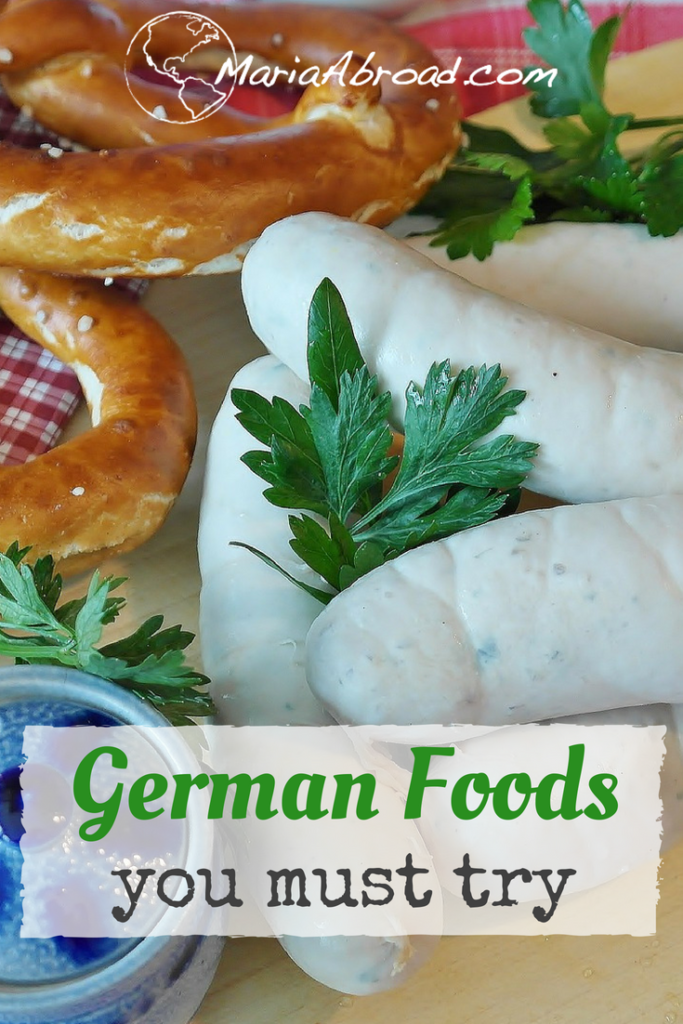
The pretzel, known as Brezel in German, is an iconic snack that’s not only cherished for its taste but also for its distinctive shape. Soft pretzels are hand-braided, boiled in a lye solution, and then baked, resulting in a crispy exterior and a fluffy interior. Often enjoyed as a street food, they are typically paired with beer and cheese dips. Different regions also prepare variations, such as the sweet version sprinkled with cinnamon sugar, making pretzels a versatile snack choice.
4. Rinderroulade
This traditional German dish features thin slices of beef rolled around a filling that may include bacon, onions, pickles, and mustard. Rinderroulade is seared until golden, then slow-cooked in a rich, savory gravy. The result is an exquisite fusion of tender meat and robust flavors, often served with creamy mashed potatoes or red cabbage. Each bite encapsulates the heartiness that German cuisine is known for, delivering both warmth and satisfaction.
5. Spätzle
Spätzle, a delightful egg noodle dish, is an essential staple in many regions of Germany, particularly in the south. Made from a simple batter of flour, eggs, and water, Spätzle is boiled until fluffy and often served as a side dish with meats or gravies. Its versatile nature allows for endless adaptations, from cheesy variations topped with rich melted cheese to earthy renditions enhanced with mushrooms and herbs. This humble noodle captures the spirit of German comfort food beautifully.
6. Schnitzel
Arguably one of Germany’s most recognizable dishes, schnitzel is a breaded and fried meat cutlet, typically made from pork or veal. While its origins trace back to Austria, schnitzel has firmly entrenched itself in German culinary tradition. Served with a wedge of lemon to brighten flavors, a side of potato salad, or creamy mushroom sauce, schnitzel embodies the simplicity yet profound deliciousness that characterizes German cuisine.
7. Black Forest Cake (Schwarzwälder Kirschtorte)
Indulging in a slice of Black Forest Cake is akin to experiencing a slice of German affection for rich desserts. This decadent layered cake combines chocolate sponge, whipped cream, and cherries, often infused with a splash of Kirsch (cherry schnapps). The cake’s striking appearance and luscious taste make it a favorite at celebrations and gatherings. Each forkful is a harmonious blend of sweet, tart, and creamy textures, encapsulating the essence of German patisserie.
8.Kartoffelsalat (Potato Salad)
German potato salad, or Kartoffelsalat, varies greatly from region to region, providing a delightful exploration of flavors. In the south, it is often made with bacon, vinegar, and onions, creating a warm, tangy dish, while in the north, a creamy variant with mayonnaise is favored. Regardless of the style, Kartoffelsalat serves as a splendid accompaniment to barbecues, festive feasts, and family gatherings, offering a refreshing juxtaposition to richer meat dishes.
9. Weisswurst
A culinary delight from Bavaria, Weisswurst, or white sausage, is made from minced veal and pork back fat, seasoned with lemon zest, parsley, and onion. Traditionally enjoyed for breakfast or brunch, Weisswurst is simmered rather than grilled, maintaining its tender texture. Served with sweet mustard and freshly baked pretzels, this dish offers a delightful combination of flavors and origins that is quintessentially German.
10. Apfelstrudel
This iconic pastry, although hailing from Austria, has become a beloved dessert in Germany. Apfelstrudel is a thin, flaky pastry filled with spiced, sautéed apples, raisins, and cinnamon. Often served warm with whipped cream or vanilla ice cream, the delicate layers of the strudel provide a delightful contrast to the tender apple filling. The experience of sharing this sweet treat embodies the warmth and camaraderie associated with German hospitality.
Each of these culinary treasures offers a glimpse into the heart of German cuisine, showcasing the country’s love for bold flavors and hearty ingredients. Whether you find yourself savoring a succulent schnitzel, indulging in a luscious slice of Black Forest Cake, or trying the simple yet profound pleasures of Kartoffelsalat, these dishes represent the richness of Germany’s gastronomic heritage. So, the next time you venture into a German eatery or embrace the joy of cooking at home, don’t hesitate to explore these iconic tastes. They are not just meals; they are experiences brimming with history, culture, and a collective sense of home.
FAQ
What are some traditional German foods?
Traditional German foods include dishes like Sauerbraten, Bratwurst, Pretzels, Rinderroulade, Spätzle, Schnitzel, Black Forest Cake, Kartoffelsalat, Weisswurst, and Apfelstrudel.
Where do most German dishes originate from?
German dishes often originate from specific regions such as Bavaria, Thuringia, and the Black Forest, each contributing unique flavors and preparation styles.
What is the best way to enjoy German sausages?
German sausages like Bratwurst and Weisswurst are best enjoyed grilled or simmered, often served with mustard, sauerkraut, or pretzels.
Are there any German foods suitable for vegetarians?
Yes, dishes like Spätzle and Pretzels can be vegetarian-friendly, especially when prepared without meat-based sauces or toppings.




Leave a Reply