
Short Answer
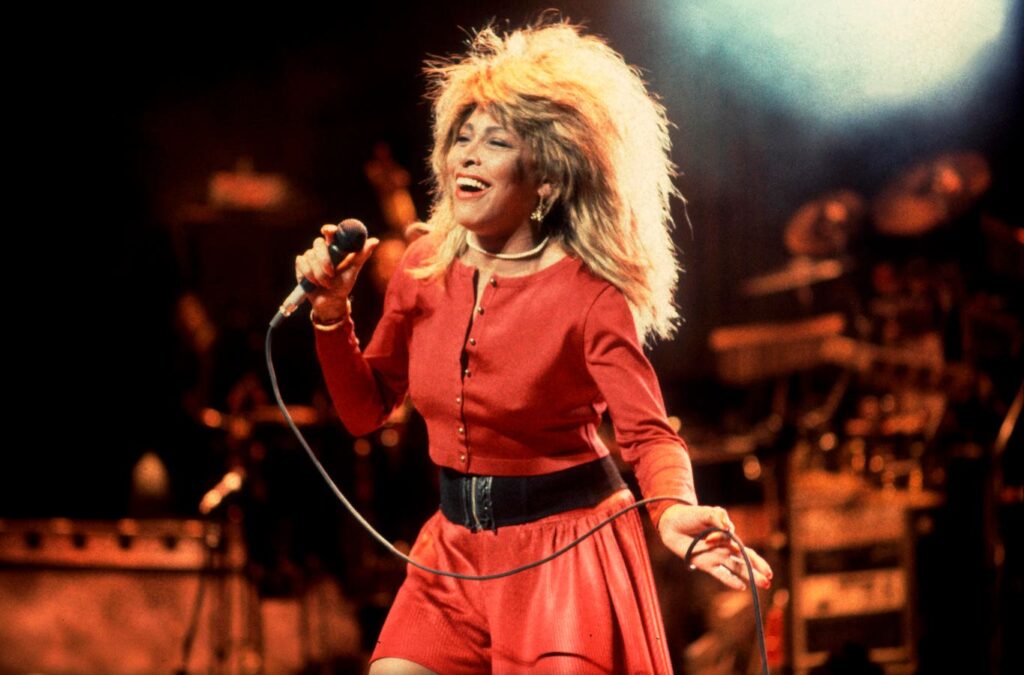
As the vibrant notes of the 1970s continue to resonate through time, the melodies and voices of many significant female artists have faded from the collective memory. This decade served as a melting pot of groundbreaking sounds and revolutionary music trends, birthing the careers of iconic figures. However, amid the luminaries, there exists a plethora of talented yet forgotten female singers whose contributions have been shrouded in obscurity. In this exploration, we venture into the past, unearthing ten remarkable yet overlooked vocalists who deserve a renaissance of recognition.
1. Judee Sill
Judee Sill emerged from the folk-rock movement and was one of the first artists signed to David Geffen’s Asylum Records. Her ethereal voice, often likened to a siren’s call, accompanied deeply introspective and poetic lyrics that explored themes of love and spirituality. Albums such as her self-titled debut and “Heart Food” showcased an intricate blend of folk, rock, and baroque pop elements. Despite her brilliance, a combination of personal struggles and challenges in the music industry caused her to be overlooked, yet her music resonates with haunting beauty today.
2. Karen Dalton
Often overshadowed by her contemporaries, Karen Dalton possessed a mesmerizing voice that simultaneously contained warmth and sorrow. Drawing influences from blues, folk, and American roots music, her performances were imbued with a raw authenticity. Albums like “In My Own Time” reveal her unique take on traditional songs, yet her reluctance to conform to mainstream expectations led to her fading from the limelight. Today, her haunting renditions of songs continue to influence a new generation of artists seeking to rediscover the essence of emotive storytelling.
3. Linda Perhacs
Linda Perhacs’s enigmatic presence in the music scene during the 70s has often been overlooked. After the release of her seminal album “Parallelograms,” she seamlessly blended psychedelic sounds with folk sensibilities, crafting music that transcended traditional boundaries. With her ethereal harmonies and lyrical richness, Perhacs carved a space for herself in the counterculture movement. However, institutional barriers and the overwhelming popularity of male artists stymied her potential. Her recent resurgence in interest speaks volumes about the timelessness of her artistry.
4. Tanya Tucker
Though Tanya Tucker garnered attention as a country artist, her boundary-defying spirit and vocal prowess propelled her beyond conventional labels. Beginning her career at the young age of 13, her songs like “Delta Dawn” showcased a profound emotional depth that belied her age. Tackling themes of heartbreak and resilience, she became a force within the country genre, often overlooked by mainstream pop culture. As the years progressed, her contributions to music have gained newfound appreciation, allowing her to reclaim her place in the musical pantheon.
5. Ella Fitzgerald
While Ella Fitzgerald is a household name, her contributions during the 70s often slide beneath the radar. The First Lady of Song continued to mesmerize audiences with her unparalleled vocal technique and emotional expressiveness during this decade. Her collaborations with contemporary artists and her ventures into new musical territories kept her vibrant and relevant. Regrettably, the focus often remained on her earlier years, overshadowing her enduring influence throughout the 70s and beyond.
6. Grace Slick
As the sultry voice of Jefferson Airplane, Grace Slick was revolutionary in her approach to music and performance. Her composition “White Rabbit” has become emblematic of the psychedelic era, yet her work following the band’s peak often remains marginalized. Slick’s bold demeanor and unapologetic lyrics challenged societal norms and conveyed the tumultuous spirit of the age. Though she was undoubtedly a trailblazer, the relentless march of time has dimmed her legacy, yet her contributions are ripe for rediscovery.
7. Nickey Barclay
As part of the influential all-female band Fanny, Nickey Barclay played piano and lent her unique vocals to the ensemble’s pioneering sound. Fanny paved the way for women in rock and roll, intertwining melodies and powerful messages in their music. Barclay’s later solo works, infused with her fierce spirit, deserve admiration. With an impactful yet fleeting career, her contributions surfaced in an era when many female musicians still struggled for recognition in a male-dominated industry.
8. Roberta Flack
Despite the immense success of her classic hits like “Killing Me Softly with His Song,” Roberta Flack’s contributions often slip into the shadows of popular music history. Her silky-smooth vocals, combined with her ability to convey intense emotion, positioned her as a pivotal figure in both the R&B and jazz realms. The intricacy of her musical style and lyrical interpretation necessitates a deeper exploration beyond the mainstream charts, begging the question: why has her legacy waned in popular consciousness?
9. Bonnie Raitt
Bonnie Raitt, renowned for her guitar skills and rich, emotive voice, experienced a slow climb to fame. As an artist who effectively combined elements of blues, folk, and rock, Raitt’s unique sound carved her a niche in music history. However, her early successes often fell prey to the allure of male rock icons, leading to temporary obscurity. Her later albums revitalized her career but not without a journey of perseverance that deserves recognition and admiration.
10. Phoebe Snow
With a voice that could encompass both a gentle whisper and a soaring wail, Phoebe Snow emerged as a remarkable talent in the 70s. Her self-titled debut album featured the iconic track “Poetry Man,” which beautifully illustrated her lyrical prowess and vocal range. Yet, just as her career began to bloom, personal challenges led to her diminishing visibility in the music scene. Snow’s profound impact and artistic integrity reveal a profound story buried in the annals of musical history.
In conclusion, the 1970s were not merely a backdrop for extraordinary music; they were vibrant with the untold stories of female artists whose legacies deserve to be illuminated. Each of these forgotten female singers infused the tapestry of the decade with their distinct sounds and perspectives. As we reflect on their contributions, it becomes clear that advocating for a re-evaluation of these artists is essential. Their music, laden with authenticity, emotion, and innovation, promises to inspire and enchant new generations, enriching the musical landscape that continues to evolve. It is high time these voices, once buried in the echoes of history, are given a stage anew.
FAQ
Who were some notable forgotten female singers of the 1970s?
Notable forgotten female singers of the 1970s include Judee Sill, Karen Dalton, Linda Perhacs, Tanya Tucker, Grace Slick, Nickey Barclay, and Phoebe Snow.
Why did many talented female singers from the 70s become overlooked?
Many talented female singers from the 70s became overlooked due to factors such as industry challenges, personal struggles, gender biases in a male-dominated music industry, and shifting popular music trends.
What genres did these forgotten female singers contribute to?
These singers contributed to a range of genres including folk, rock, country, psychedelic, blues, R&B, and jazz.
Are any of these singers experiencing a resurgence in popularity?
Yes, artists like Linda Perhacs have experienced a resurgence, with renewed interest in their timeless artistry and influence on contemporary musicians.


Leave a Reply