
Short Answer
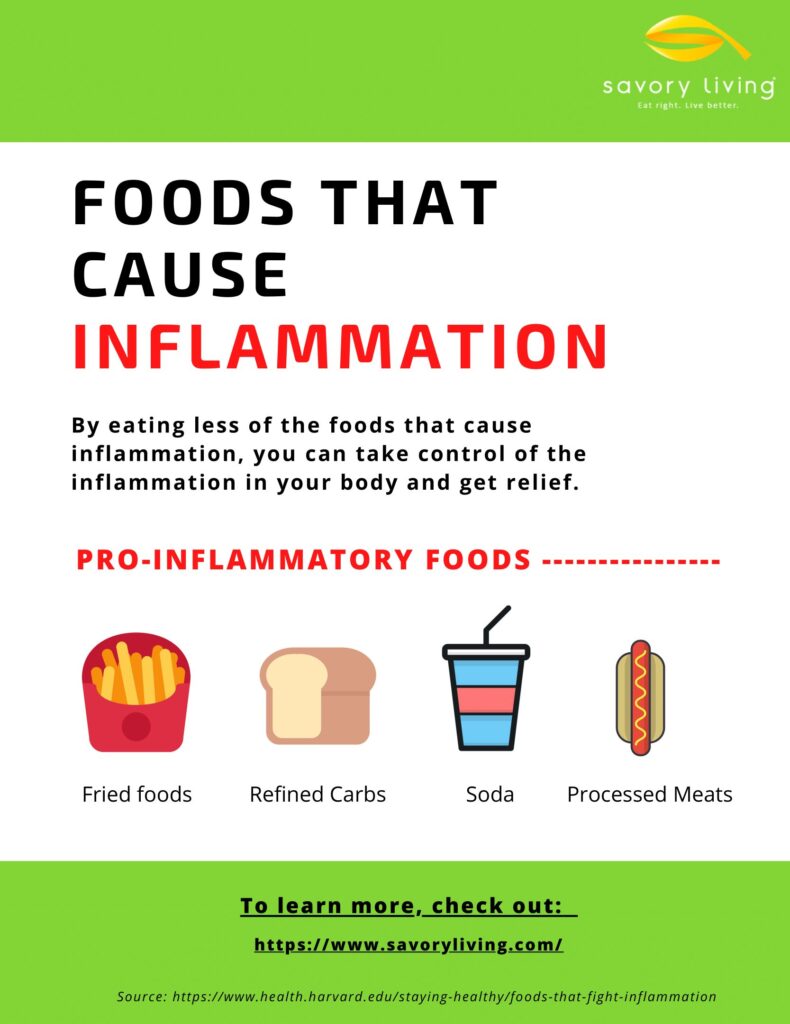
Inflammation is the body’s natural defense mechanism, a protective response to injury or infection. However, chronic inflammation can lead to a plethora of health issues, including heart disease, diabetes, and autoimmune disorders. Among the myriad of factors that contribute to inflammation, diet plays a pivotal role. Certain foods have been identified as notorious culprits that can exacerbate inflammatory responses in the body. Understanding these foods is crucial for making informed dietary choices that promote overall health and well-being. Here, we delve into the top ten foods commonly associated with inflammation.
1. Sugar and High-Fructose Corn Syrup
Sugar, particularly in its refined forms, is one of the foremost contributors to inflammation. High-fructose corn syrup (HFCS), frequently found in processed foods and sugary beverages, has been linked to increased levels of inflammatory markers such as C-reactive protein (CRP). These sweeteners can trigger the release of inflammatory compounds, compelling the body into a state of heightened immune response, which, if unchecked, can result in chronic inflammatory diseases.
2. Refined Carbohydrates
Refined carbohydrates, including white bread, pastries, and various processed snacks, offer little in terms of nutrition and are stripped of essential fiber and nutrients. Their rapid digestion causes swift spikes in blood sugar levels, instigating an inflammatory cascade. The body releases insulin in response, potentially leading to insulin resistance over time. This, in turn, exacerbates inflammation and increases susceptibility to metabolic syndrome and other chronic conditions.
3. Trans Fats
Trans fats, often lurking in partially hydrogenated oils found in margarine, baked goods, and fried foods, are notorious for their inflammatory properties. They not only elevate LDL cholesterol levels but also promote the production of pro-inflammatory cytokines. Numerous studies have highlighted the association between trans fat consumption and increased risk of heart disease and other inflammatory diseases.
4. Red and Processed Meats
The consumption of red and processed meats, such as bacon, sausages, and deli meats, has been shown to enhance inflammation markers in the body. These meats often contain high levels of saturated fats and advanced glycation end products (AGEs), both of which contribute to inflammation. Additionally, the preservatives and additives frequently found in processed meats can further exacerbate inflammatory responses, making them particularly detrimental to long-term health.
5. Omega-6 Fatty Acids
While omega-6 fatty acids are essential for health, the Western diet typically contains a disproportionate amount of these fats due to the consumption of vegetable oils such as soybean, corn, and sunflower oils. When consumed in excess, omega-6 fatty acids can promote the production of pro-inflammatory molecules, disrupting the delicate balance with omega-3 fatty acids, which are known for their anti-inflammatory properties. Striking the right balance between these two types of fats is crucial for maintaining an optimal inflammatory response.
6. Artificial Additives and Preservatives
Artificial additives and preservatives, often lurking in processed foods, can lead to a myriad of health issues, including inflammation. Chemicals such as monosodium glutamate (MSG), aspartame, and various food colorings have been implicated in inflammatory responses. These synthetic compounds can elicit immune system reactions, leading to chronic inflammation and exacerbating symptoms of various diseases, including allergies and asthma.
7. Dairy Products
Dairy products are a common source of dietary inflammation for many individuals, particularly those with lactose intolerance or a sensitivity to casein, a protein in milk. The consumption of milk, cheese, and other dairy products can lead to increased levels of mucus and inflammation in susceptible individuals. Dairy’s high saturated fat content can also contribute to inflammatory responses, highlighting the need for moderation and mindful selection.
8. Gluten-containing Grains
For those with celiac disease or a non-celiac gluten sensitivity, gluten-containing grains such as wheat, barley, and rye can provoke significant inflammatory responses. Even in individuals without diagnosed sensitivities, excessive consumption of gluten can lead to inflammation in the gut, contributing to a leaky gut syndrome, which can trigger systemic inflammation. Whole grains may be a healthier alternative, but they should be approached with caution in susceptible populations.
9. Excessive Alcohol
While moderate alcohol consumption may have certain health benefits, excessive intake can lead to a host of inflammatory conditions. Chronic alcohol consumption can cause gut dysbiosis, leading to increased intestinal permeability and systemic inflammation. Inflammation linked to alcohol can affect organs including the liver and heart, underscoring the importance of moderation in its consumption.
10. Nightshade Vegetables
Nightshade vegetables, including tomatoes, potatoes, eggplants, and bell peppers, contain solanine, which in some individuals can trigger inflammatory responses, particularly in those with autoimmune conditions. While these vegetables are nutrient-rich, it is essential for individuals experiencing inflammation to monitor their intake and observe any correlations between consumption and symptom exacerbation.
In conclusion, the foods we consume play a significant role in influencing inflammation levels within the body. By recognizing and moderating the consumption of these ten inflammatory foods, individuals can take proactive steps towards reducing chronic inflammation and promoting overall health. Achieving a balanced, whole-foods-based diet that emphasizes anti-inflammatory options such as fruits, vegetables, whole grains, and healthy fats can pave the way for a healthier, more vibrant life. Fostering awareness about dietary choices is imperative for anyone looking to mitigate inflammation and cultivate lasting wellness.
FAQ
What foods are the main contributors to inflammation?
The main contributors include sugar and high-fructose corn syrup, refined carbohydrates, trans fats, red and processed meats, excessive omega-6 fatty acids, artificial additives, dairy products, gluten-containing grains, excessive alcohol, and nightshade vegetables.
Can inflammation caused by diet be reversed?
Yes, by reducing or eliminating inflammatory foods and adopting a balanced diet rich in anti-inflammatory foods such as fruits, vegetables, whole grains, and healthy fats, inflammation can be mitigated.
Are all nightshade vegetables inflammatory?
Not necessarily; while some individuals, especially those with autoimmune conditions, may experience inflammation triggered by solanine in nightshades, many people can consume them without issue.
Why are omega-6 fatty acids considered inflammatory?
Omega-6 fatty acids can promote pro-inflammatory molecules when consumed in excess, especially when not balanced with omega-3 fatty acids, which have anti-inflammatory effects.
Is moderate alcohol consumption inflammatory?
Moderate alcohol intake may have some health benefits, but excessive consumption is linked to increased inflammation and related health problems.





Leave a Reply