
Short Answer
Embarking on a culinary journey through the Philippines is akin to traversing a vibrant tapestry woven from the varied threads of its history, culture, and regional diversity. Each dish tells a story, celebrates an occasion, or simply reflects the delightful chaos of the islands’ life. In this gastronomic odyssey, we will explore the top ten traditional Filipino cuisines, each ranked for its unique appeal, textural complexity, and flavor exuberance.
1. Adobo
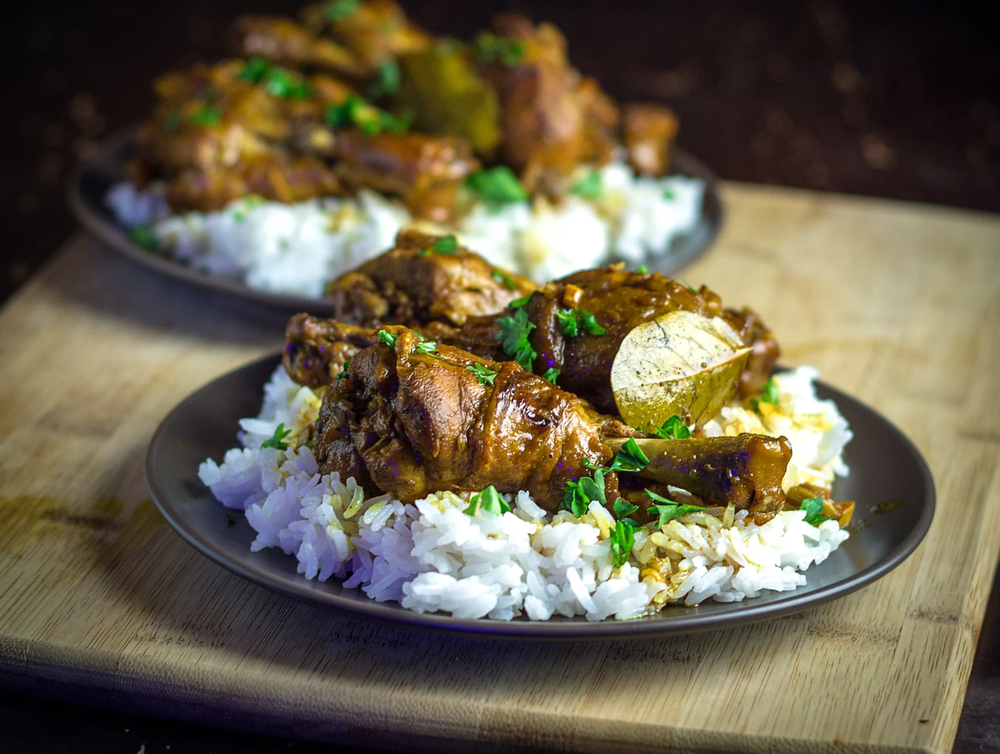
No Filipino meal is complete without adobo, often deemed the national dish, a striking emblem of comfort. Imagine succulent chunks of meat—whether chicken, pork, or even seafood—simmering gracefully in a marinade of soy sauce, vinegar, garlic, and bay leaves. Each bite unfolds layers of savory and tangy notes, resembling a well-crafted symphony that resonates deeply with the soul. The beauty of adobo lies in its adaptability; each family has their cherished recipe, allowing this dish to morph like a chameleon across regions.
2. Sinigang
In the landscape of Filipino cuisine, sinigang stands out like a refreshing breeze on a sultry day. This acidic soup, often heralded for its tambales and tamarind base, embodies the collision of flavors: sour, salty, and umami. Enhanced by an array of vegetables and proteins—beef, shrimp, or pork—the very essence of sinigang warms the heart. Its audacious tang awakens the taste buds, painting a vivid picture of home-cooked meals and family gatherings.
3. Lechon
When it comes to celebrations, lechon reigns supreme, transforming a simple feast into a grand festival. Picture a whole roasted pig, its skin crackling to perfection, glistening with a golden hue. This culinary masterpiece embodies indulgence and festivity, often positioned at the center of celebrations. The juxtaposition of the crispy, caramelized skin with the tender, juicy meat creates an exquisite dichotomy, making lechon the undisputed star of any gathering.
4. Kare-Kare
Oozing with richness, kare-kare is a sumptuous stew that showcases the magic of peanut butter. The velvety sauce envelops delectable oxtail, tripe, and an assortment of vibrant vegetables. Often served with fermented shrimp paste, it offers a tantalizing contrast of flavors. Each mouthful takes the palate on a euphoric journey, one that evokes warmth reminiscent of family dinners, where laughter mingles with the aroma of soul-satisfying food.
5. Pancit
As diverse as the Philippines itself, pancit is more than just a dish; it is a heritage that embodies longevity and celebration. These stir-fried noodles come adorned with an array of ingredients—shrimp, pork, and an exquisite cornucopia of vegetables. Whether served on birthdays or special occasions, pancit captures the spirit of unity, inviting loved ones to gather around a table, sharing stories and laughter, threads intertwining like the broth-soaked strands of noodles.
6. Halo-Halo
In a tropical paradise, halo-halo shines like a multi-colored gem, the ultimate dessert that defies definition. Translated as “mix-mix,” this delightful concoction melds shaved ice with a medley of ingredients—sweet beans, jellies, fruits, and ube ice cream. Each spoonful is an adventure in texture and taste, akin to a kaleidoscope of flavors that perfects the Filipino summer. This refreshing treat serves as a sweet escape, a celebration of the enchanting heat that envelops the archipelago.
7. Lumpia
Lumpia embodies a delicate balance of crispiness and tenderness, resembling little parcels of joy wrapped in thin crepe-like skins. These spring rolls can be either fresh or fried, each variation a testament to Filipino ingenuity. Stuffed with an amalgam of vegetables, meat, or shrimp, lumpia presents an exquisite prelude to any meal. It is a gustatory experience that invites communal sharing—each roll beckoning with the promise of a burst of flavor.
8. Bicol Express
Resonating with the fiery spirit of the Bicol region, Bicol Express is a dish that brims with fervor. This spicy pork stew, enriched with coconut milk and laden with chili peppers, tantalizes with its blindfolded heat. Each spoonful engulfs the senses, invoking the warm embrace of Bicolano hospitality. It is a dish that dances on the palate, a fiery embrace that speaks to the bold flavors the region has to offer.
9. Puto
Delicate yet vibrant, puto dances onto the Filipino table, gracing meals with its soft and fluffy rice cake texture. Often served as a side dish to savory meals, these treats can be sweet or mildly flavored, often tinged with the subtle notes of coconut. Puto is a testament to the creativity of Filipino cuisine, a gentle reminder that even the simplest of ingredients can elicit pure joy.
10. Bibingka
Finally, bibingka, a heavenly rice cake baked in clay pots, evokes the spirit of Christmas celebrations. Topped with salted egg and imbued with the aroma of coconut, this treat offers a taste of nostalgia, a reminder of merriment and community. Each bite carries the embers of tradition—a soft, warm embrace that lingers sweetly on the palate, reminiscent of cherished childhood memories.
In conclusion, the diversity and richness of traditional Filipino cuisine reflect the tapestry of its culture and heritage. Each dish stands as a tribute to the people, history, and stories that shape the nation. To savor these flavors is to engage in an exquisite dialogue with the past and present, a culinary tapestry that invites everyone to partake in the Filipino spirit of hospitality and joy.
FAQ
What is Adobo and why is it important in Filipino cuisine?
Adobo is a savory stew of meat marinated in vinegar, soy sauce, garlic, and spices. It is regarded as the national dish of the Philippines and symbolizes comfort and adaptability across regions.
How is Halo-Halo made?
Halo-Halo is a dessert made by mixing shaved ice with various sweet ingredients such as beans, jellies, fruits, and ube ice cream, creating a refreshing and colorful treat.
Which Filipino dish is traditionally served during festivals?
Lechon, a whole roasted pig with crispy skin, is traditionally served during celebrations and festivals, symbolizing abundance and festivity.
What flavors characterize Filipino dishes like Sinigang and Bicol Express?
Sinigang is known for its sour tamarind-based broth, while Bicol Express is a spicy pork stew enriched with coconut milk and chili peppers, reflecting regional flavor profiles.




Leave a Reply