
Short Answer
Metals have ignited human fascination for centuries, serving not only as the backbone of industrial progress but also embodying wealth and luxury. While gold and silver often hog the spotlight, several obscure yet expensive metals claim the throne when it comes to value. In this elucidative exploration, we delve into the top ten most expensive metals on Earth, cataloging their unique attributes, applications, and the myriad factors contributing to their stratospheric prices.
1. Rhodium
Rhodium, a member of the platinum group, is revered for its unparalleled reflectivity and resistance to corrosion. Its applications predominantly lie within the automotive sector, where it is employed as a catalytic converter to mitigate harmful emissions. The rarity of this lustrous metal—which is extracted primarily from South Africa—catapults its price, often exceeding that of gold many times over. The volatile market and the intricate extraction process further accentuate its value, making rhodium one of the most sought-after commodities in the world.
2. Platinum
Platinum, synonymous with opulence, is another esteemed metal that boasts impressive durability and malleability. Frequently utilized in fine jewelry and high-end watches, its applications extend into industrial domains such as electronics and chemical manufacturing due to its excellent conductivity and resistance to oxidation. The intricate mining processes involved, primarily in locations like Russia and South Africa, coupled with limited availability, contribute to platinum’s high market price, reinforcing its status as a luxury item.
3. Gold
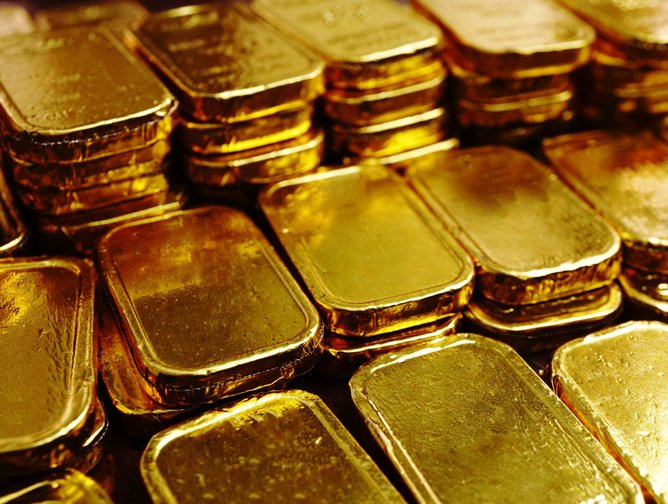
Gold has long been the epitome of wealth, revered for its alluring luster and intrinsic value. Its historical significance as a medium of exchange has not diminished, as gold remains a hedge against economic downturns. The metal’s exceptional conductivity and resistance to tarnish make it indispensable in various industries, including electronics and dentistry. Gold’s price is subject to fluctuations based on supply, demand, and geopolitical factors, but its enduring allure ensures it retains a place among the priciest metals.
4. Osmium
Osmium is an enigma wrapped in a metallic shell, known for being the densest naturally occurring element. This incredibly tough metal shines in specialized applications, including fountain pen tips, electrical contacts, and even as a catalyst in chemical reactions. Its scarcity, obtained from platinum ore, and unique properties—such as a bluish hue and high melting point—culminate in a price tag that elevates it into the rarefied air of expensive metals. Investments in osmium may not be as commonplace, but they intrigue those seeking uniqueness.
5. Palladium
Palladium has carved a niche for itself in the automotive industry for its catalytic properties, aiding in the conversion of harmful gases into less toxic emissions. Additionally, its use in electronics and dentistry highlights its versatility. The demand for palladium, particularly as automakers shift toward greener technologies, has burgeoned in recent years, thereby inflating its price. The limited supply, primarily sourced from Russia and South Africa, intensifies the competition for this precious metal, enhancing its status as a luxurious commodity.
6. Ruthenium
Ruthenium occupies a specialized corner of the platinum group and is often overshadowed by its more illustrious counterparts. Its applications span from electronics—serving as a contact material in electrical circuits—to metallurgy, where it enhances the hardness of other metals. The metal’s stability and resistance to wear add to its appeal. Although not as extravagantly priced as rhodium or platinum, ruthenium holds its own with a price point that reflects its rarity and practicality.
7. Iridium
Iridium is one of the most durable metals known to humankind, capable of withstanding extreme environments and corrosion. Primarily utilized in high-performance spark plugs and various alloys, iridium’s applications are steeped in engineering and advanced technologies. Its rarity, predominantly sourced from meteorites and a select few terrestrial locations, bolsters its value. This resilience and scarcity coalesce to define its place as one of the expensive metals on our planet.
8. Scandium
Though not as widely recognized as some others on this list, scandium holds considerable value, particularly within the aerospace sector. Its lightweight and strength-enhancing properties make it ideal for aluminum alloys used in aircraft construction. The extraction of scandium is labor-intensive, and its limited natural occurrence contributes to its elevated price. A practical rather than solely decorative metal, scandium is highly sought after for specialized industrial applications.
9. Lutetium
Lutetium is one of the rarest and most expensive lanthanides, with critical applications in nuclear technology and various medical fields, such as MRI imaging. Its rarity—often a byproduct of other rare earth metal extractions—exacerbates its cost. Lutetium’s properties allow it to serve as a catalyst for numerous chemical processes, ensuring its demand continues to rise, thereby consolidating its high price on commodity markets.
10. Tanzanite
Technically a gemstone rather than a traditional metal, tanzanite deserves mention due to its exquisite beauty and extreme rarity. Found only in Tanzania, this striking blue stone has captivated gem enthusiasts and investors alike. The mining challenges and limited geographic availability contribute to its high market price. While often classified alongside precious metals in terms of value, tanzanite epitomizes the allure of rarity in the world of gemstones.
In conclusion, the realm of precious metals extends far beyond the conventional staples of wealth such as gold and silver. Each of the ten metals discussed captivates with unique properties, extensive applications, and, most importantly, an undeniable allure rooted in their scarcity. As industrial needs evolve and markets fluctuate, these metals are likely to continue garnering attention both from investors and those captivated by their intrinsic beauty and utility. Whether for investment, industrial application, or simply as symbols of luxury, the quest for these expensive metals showcases the enduring appeal of Earth’s subterranean treasures.
FAQ
What determines the price of expensive metals?
The price of expensive metals is influenced by their rarity, industrial demand, extraction difficulty, geopolitical factors, and market speculation.
Are all expensive metals used in jewelry?
No, while some expensive metals like gold and platinum are popular in jewelry, others such as scandium and lutetium have specialized industrial and technological applications.
Is tanzanite a metal?
No, tanzanite is a rare gemstone mentioned in the article due to its high value and rarity, but it is not a metal.
Why is rhodium more expensive than gold?
Rhodium’s higher price compared to gold is due to its extreme rarity, complex extraction process, and high demand in automotive catalytic converters.






Leave a Reply