
Short Answer
In the vast panorama of cinematic history, certain films ascend beyond mere entertainment, etching themselves into the collective consciousness of audiences worldwide. The top ten best movies of all time encapsulate not only masterful storytelling but also the alchemical fusion of art and emotion, giving birth to an experience that transcends the screen. Each of these films stands as a testament to the power of storytelling, an intricate tapestry woven with the threads of human experience, imagination, and creativity. Let us embark on a voyage through these remarkable cinematic milestones.
1. The Godfather (1972)
Often revered as the zenith of American cinema, Francis Ford Coppola’s “The Godfather” is an opulent examination of power, family, and betrayal. With Marlon Brando’s iconic performance as Vito Corleone, the film sculpted the archetype of the enigmatic gangster, intertwining moral ambiguity with familial devotion. Every frame is a meticulously painted portrait, pulsating with tension reminiscent of a tightly wound spring awaiting release. Its narrative echoes the complexities of the human condition, inviting viewers to ponder the intricacies of love and loyalty against a backdrop of criminal machinations.
2. Citizen Kane (1941)
Regarded as a cinematic wonder, “Citizen Kane” is an intricate maze of storytelling that unfolds like origami, revealing layer upon layer of human frailty and ambition. Orson Welles, as the enigmatic Charles Foster Kane, embodies the duality of success and solitude, capturing the essence of the American Dream gone awry. The innovative use of deep focus and non-linear narrative propels viewers into a whirlwind of nostalgia and regret. Each whispered recollection in the fragmented collage of Kane’s legacy serves as a haunting reminder of the price of greatness.
3. Schindler’s List (1993)
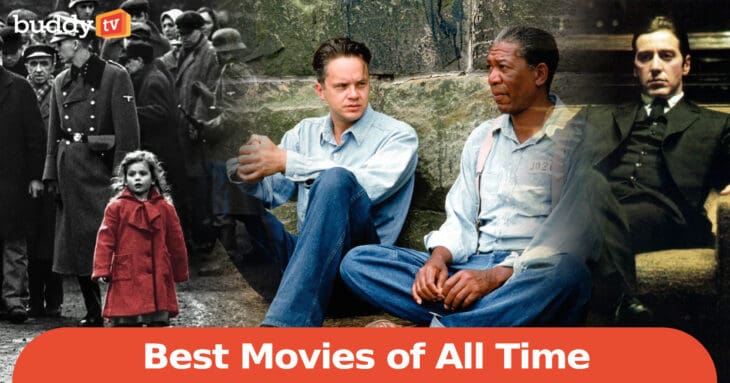
Steven Spielberg’s “Schindler’s List” emerges as a harrowing testament to the resilience of the human spirit amidst the brutal realities of the Holocaust. Shot primarily in austere black and white, the film reflects the stark dichotomy between hope and despair. Liam Neeson’s portrayal of Oskar Schindler shines as a beacon of humanity in a landscape drenched in moral ambiguity. The visceral imagery, juxtaposed with the poignant score by John Williams, infuses the narrative with an emotional weight that lingers long after the credits roll, forging an indelible connection to the past.
4. Pulp Fiction (1994)
Quentin Tarantino’s “Pulp Fiction” stands as a kaleidoscopic exploration of intertwining stories, where each vignette pulsates with the rhythm of pop culture and the underbelly of urban life. The film’s nonlinear narrative structure dances through themes of redemption, violence, and fate, creating a mosaic of human experience that is both gritty and stylistically vibrant. The dialogues, peppered with sharp wit and philosophical undertones, have left an indomitable mark on the lexicon of cinema, echoing in the minds of audiences as a symphony of cultural references.
5. Casablanca (1942)
“Casablanca” transcends its era, enveloping viewers in a romantic haze punctuated by ideals of sacrifice and patriotism. Set against the backdrop of World War II, Michael Curtiz’s film combines poignant performances with exquisitely crafted dialogue that feels like poetry. Humphrey Bogart’s Rick Blaine epitomizes the archetype of the reluctant hero, while Ingrid Bergman’s Ilsa Lund embodies an almost ethereal beauty, stirring a whirlwind of nostalgia and longing. The film stands as a timeless ode to love’s complexities, encapsulating the tumultuous nature of personal and political allegiances.
6. 2001: A Space Odyssey (1968)
Stanley Kubrick’s “2001: A Space Odyssey” transports viewers on an odyssey not only through space but also through the depths of human consciousness. A visual symphony, the film’s groundbreaking special effects and enigmatic storytelling provoke existential contemplation. The monolith serves as a metaphorical catalyst for evolution, prompting audiences to grapple with themes of technology, identity, and the infinite. Kubrick’s meticulous craftsmanship invites introspection, transforming the science fiction genre into a meditative experience that lingers long after the stars have faded.
7. The Shawshank Redemption (1994)
The heartwarming tale spun within “The Shawshank Redemption” encapsulates hope and resilience in the bleakest of circumstances. Based on a Stephen King novella, Frank Darabont’s film masterfully intertwines friendship and redemption within the grim confines of Shawshank prison. Tim Robbins and Morgan Freeman deliver performances that resonate deeply, embodying a friendship that transcends despair. The film’s thematic exploration of hope, articulated through the metaphor of a bird emerging from its cage, leaves viewers with an enduring sense of optimism, even in the face of adversity.
8. Gone with the Wind (1939)
This sweeping epic, “Gone with the Wind,” encapsulates the turbulence of the American South during the Civil War and Reconstruction Era. Its opulence and grandeur reflect not only the beauty of a bygone era but also the complexities of love and loss. Vivien Leigh’s Scarlett O’Hara, a woman of insatiable ambition and flawed virtue, remains an unforgettable character—an emblem of survival against societal upheaval. The film’s lush cinematography and poignant score transport audiences to the heart of a world on the brink, an ambivalent celebration of resilience amidst ruin.
9. The Wizard of Oz (1939)
A kaleidoscopic masterpiece, “The Wizard of Oz” weaves a fantastical tale of adventure, self-discovery, and the yearning for home. L. Frank Baum’s beloved story comes to life through vibrant Technicolor and unforgettable musical numbers, creating an enchanting portal to a realm of imagination. Judy Garland’s portrayal of Dorothy captures the essence of every audience’s own journey toward self-acceptance and belonging. This film serves as a resplendent reminder that, often, the treasures we seek lie within us, waiting to be discovered on our unique paths.
10. Fight Club (1999)
“Fight Club,” directed by David Fincher, invites viewers into a labyrinth of existential angst and societal critique, unraveling the intricacies of masculinity and identity against the backdrop of consumerist culture. The narrative unfolds in a pulsating rhythm, with Brad Pitt and Edward Norton delivering performances steeped in intensity. The film’s anarchic spirit resonates, challenging societal norms and awakening the hidden discontent lurking within. The line between reality and illusion blurs, creating a visceral experience that compels viewers to confront their own realities, leaving an indelible mark on the cultural landscape.
In summary, the ten films listed epitomize the diverse spectrum of storytelling, each carving its niche in the annals of cinema. They evoke emotions, provoke thoughts, and resonate on personal levels, enveloping audiences in their narratives. As we journey through these timeless cinematic works, we not only witness the magic of film but also reflect on our own experiences and truths, affirming the enduring power of the medium to spark connection and understanding.
FAQ
What criteria were used to rank the top 10 best movies of all time?
The ranking considers cultural impact, storytelling quality, artistic innovation, critical acclaim, and lasting influence on cinema.
Are these movies ranked by box office success?
No, the ranking focuses on artistic and cultural significance rather than box office performance.
Do these movies represent different film genres?
Yes, the list includes a variety of genres to showcase diverse storytelling styles and cinematic achievements.




Leave a Reply