
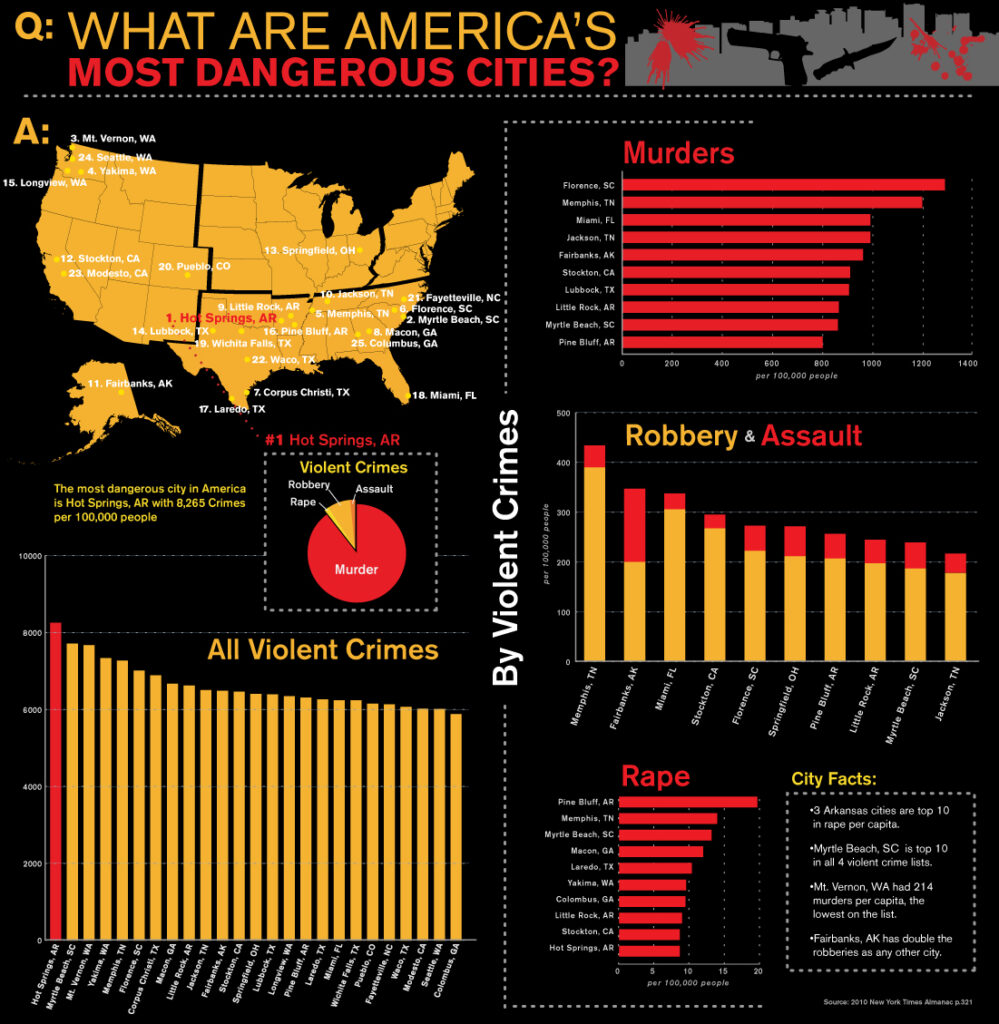
Short Answer
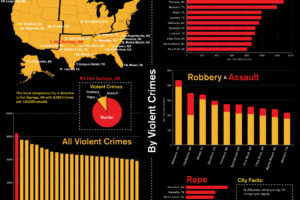
In a nation characterized by innovation and diversity, certain municipalities have garnered notoriety for their perilous reputations. This article delves into the ten most dangerous cities in America, exploring the underlying factors that contribute to their elevated crime rates. Despite the titillating fascination with danger, it is essential to remember that these locales are home to resilient communities, rich histories, and complex socio-economic landscapes. Herein, we discuss the troubling statistics that shroud these cities, shedding light on both their characteristics and the societal issues at play.
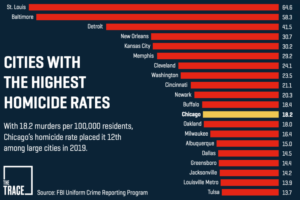
1. St. Louis, Missouri
St. Louis consistently ranks among the most treacherous cities in the United States, primarily due to its staggering violent crime rate. Factors contributing to this troubling environment include a high poverty rate and pervasive economic disparities. The legacy of historic disinvestment in certain neighborhoods has exacerbated this situation, leaving many communities vulnerable to crime. Furthermore, the city struggles with gang activity, which frequently leads to violent confrontations and police-related incidents, heightening the overall sense of insecurity.
2. Baltimore, Maryland
Notorious for its persistent homicide rates, Baltimore has been embroiled in a multifaceted battle against crime for decades. Once a thriving port city, it has struggled with industrial decline, leading to unemployment and socioeconomic instability. The systemic issues plaguing the educational and judicial systems contribute to a pervasive atmosphere of hopelessness, causing individuals to engage in criminal activities as a means of survival. Consequently, Baltimore’s streets have become synonymous with violence, forming a complex tapestry of culture intertwined with calamity.
3. Detroit, Michigan
While Detroit has made significant strides in revitalization, remnants of its turbulent past continue to haunt the Motor City. A once-booming industrial heartland, the contractions of the auto industry ushered in an age of decline, leaving behind urban blight and cyclical poverty. High crime rates can be attributed to a combination of disillusioned youth, limited economic opportunities, and extensive gang networks. Nevertheless, the city’s ongoing renaissance stands as a testament to the resilience of its inhabitants, who strive to reclaim their cultural heritage.
4. New Orleans, Louisiana
Renowned for its vibrant culture and electrifying Mardi Gras celebrations, New Orleans masks a shadowy underbelly of crime, particularly violent crime. The city has grappled with systemic socioeconomic issues, reflecting a stark reality that lies beneath its festive façade. Gang-related violence and drug trafficking have significantly contributed to high homicide rates. As the city continues to recover from the ramifications of Hurricane Katrina, efforts to mitigate crime and improve safety remain paramount for creating a thriving environment where community bonds can flourish.
5. Memphis, Tennessee
Memphis is a city rich in musical history and cultural significance, yet it cannot escape its reputation for crime. High rates of violent crime, particularly in specific neighborhoods, can be traced back to poverty and a lack of educational resources. With gang activity often fueling violence, the city’s struggles to break free from the cycles of despair become apparent. Despite its dangers, the resilient spirit of Memphis’ residents mirrors the strength embodied in the beats of its soulful music, revealing a complex interplay between culture and crime.
6. Cleveland, Ohio
Cleveland’s ongoing battle with crime highlights the difficulties faced by post-industrial cities in America. Once a bustling hub of manufacturing, economic decline and growing unemployment have contributed to the city’s struggles with crime. The disconnect between urban revitalization efforts and the persistent issues of violence and poverty creates a complex dynamic, fostering a sense of latent aggression within communities. Residents are left to navigate a landscape fraught with risk, all while clinging to their hopes for renewal amidst the adversity.
7. Birmingham, Alabama
Birmingham vividly reflects the historical hardships of the South, grappling with issues of race, socio-economic disparity, and urban decay. Authorized crime rates—particularly violent crimes—remain alarmingly high as a result of factors like systemic inequality and the legacies of segregation. The city continues to work on addressing these embedded challenges, fortifying its neighborhoods and creating opportunities for engagement and collaboration. With a strong sense of community, Birmingham seeks to transform its narrative into one of resilience and revitalization.
8. Flint, Michigan
Though notorious for its water crisis, Flint’s struggles extend beyond contamination; crime is a prevalent issue, exacerbated by a decimated economy. Once a thriving automotive stronghold, the deterioration of job availability has forged a correlation between economic desperation and criminal behavior. As community members battle both basic health concerns and safety issues, hope persists. Grassroots efforts aimed at rejuvenating the city underscore the collective yearning for a brighter future, emphasizing that resilience can often rise from the ashes of adversity.
9. Kansas City, Missouri
While Kansas City boasts a flourishing arts scene and rich culinary offerings, it is also burdened by a considerable incidence of violent crime. Contributing factors such as poverty and limited access to quality education perpetuate cycles of inequality, fostering an environment where criminal activity appears as an alluring option for some residents. However, as communities mobilize efforts to advocate for safety and inclusivity, their resolve paints a different narrative, one brimming with the possibilities of hope and transformation.
10. Oakland, California
Oakland, while renowned for its progressive movements and cultural diversity, grapples with the paradox of being one of the more dangerous cities in America. The struggles born from income inequality and historical disinvestment have given rise to gang violence and property crimes. However, like many of its counterparts on this list, Oakland is a city in flux, buoyed by community initiatives aimed at fostering safety and inclusivity. The interplay between crime and culture in Oakland underscores the city’s complexities, offering glimpses into the resilience of its residents.
In conclusion, the cities highlighted in this poignant exploration serve not only as stark reminders of America’s struggles with crime but also as reflections of deeper systemic issues that necessitate attention and intervention. As communities endeavor to transform their environments, it becomes evident that while the label of danger may define them, it does not encapsulate the full story. Each city is a tapestry of resilience, hope, and an unyielding spirit. The most dangerous cities also serve as battlegrounds for resurgence, underscoring the profound desire for safety and revitalization, reminding us all of the importance of progress amid adversity.
FAQ
What factors contribute to high crime rates in America's most dangerous cities?
High crime rates in these cities are often linked to socioeconomic challenges such as poverty, economic disparities, gang activity, lack of educational opportunities, and historical disinvestment.
Are these dangerous cities making efforts to reduce crime?
Yes, many of these cities are undertaking revitalization projects, community initiatives, and policy reforms aimed at improving safety and fostering resilience.
Which cities are considered the most dangerous in America according to the article?
The article lists St. Louis, Baltimore, Detroit, New Orleans, Memphis, Cleveland, Birmingham, Flint, Kansas City, and Oakland as the ten most dangerous cities.
Leave a Reply