
Short Answer
When we think of dangerous animals, our minds often drift to the ferocious lions of the savannah or the stealthy crocodiles lurking in murky waters. However, the animal kingdom harbors a plethora of creatures whose threats may be more elusive but equally formidable. This list examines the top ten most dangerous animals in the world, shedding light on their habitats, behaviors, and the perils they pose to humans. Each entry reveals the complex interplay of nature and the inherent risks it can harbor.
1. Mosquitoes
Often underestimated due to their minuscule size, mosquitoes emerge as the deadliest creatures on the planet. These tiny insects are vectors for a myriad of diseases, such as malaria, dengue fever, and Zika virus. Each year, millions of fatalities occur as a result of mosquito-borne ailments. Their prevalence in tropical climates, combined with their breeding capabilities in stagnant water, makes them an insidious threat to global health.
2. Box Jellyfish
The box jellyfish, a stunningly ethereal inhabitant of warm coastal waters, possesses one of the most potent venoms known to mankind. With its translucent body and long tentacles trailing behind, it may appear innocuous, but the truth is far more sinister. A single sting can induce excruciating pain, cardiac arrest, and, in some cases, death within minutes. The box jellyfish exemplifies how beauty can often mask lethality in the natural world.
3. Inland Taipan
Nestled in the arid expanses of Australia, the inland taipan stands as the world’s most venomous snake. While it possesses a venom quotient capable of extinguishing multiple human lives in a matter of minutes, it is remarkably reclusive. Preferring solitude, it rarely encounters people, which ironically lowers the threat it poses. Still, its presence serves as a stark reminder of nature’s capacity for danger.
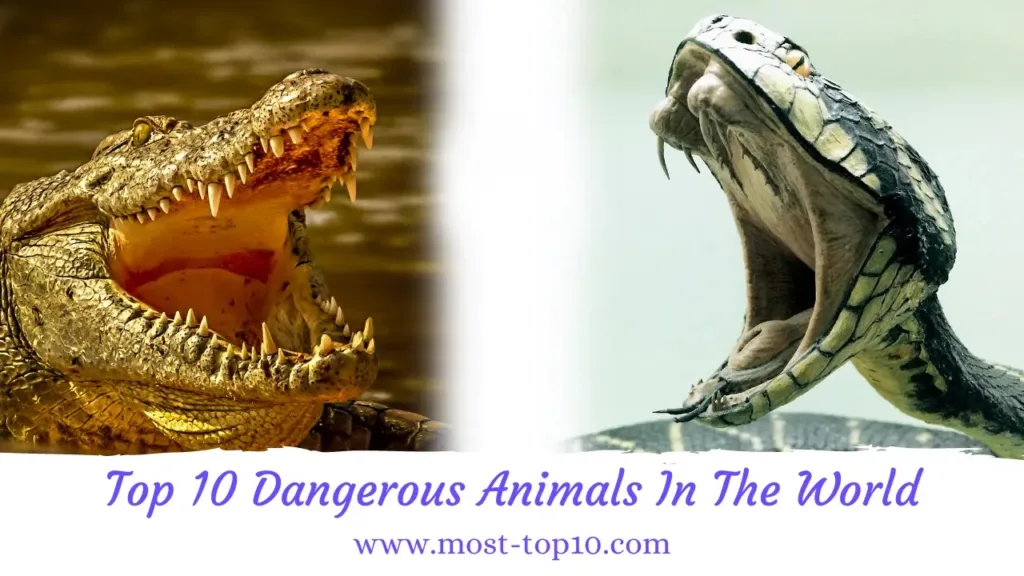
4. Saltwater Crocodile
The saltwater crocodile reigns supreme as the largest living reptile, boasting immense size and incredible power. Found in brackish and freshwater habitats across Southeast Asia and Australia, these predators are known for their ambush hunting tactics. With a biting force rivaling that of any terrestrial animal, they are capable of taking down large prey, including humans. Encounters in the wild can turn fatal in a blink of an eye.
5. African Elephant
Despite their gentle demeanor and social structures, African elephants are responsible for numerous human fatalities each year. Their sheer size and strength, combined with a fierce protective instinct towards their herds, can make them unpredictable. When threatened, these majestic giants charge, posing a severe risk to anyone who mistakenly wanders too close. Understanding their behavior and habitat is crucial for minimizing dangerous encounters.
6. Pufferfish
The pufferfish, often seen as a curious delicacy in certain cultures, harbors a toxic secret. Its flesh contains tetrodotoxin, a substance potent enough to kill a human in mere minutes. Chefs trained in the art of preparing fugu must navigate a labyrinth of skill and caution to safely serve this notorious dish. The pufferfish serves as a cautionary tale of nature’s duality, with beauty intertwined with peril.
7. Cape Buffalo
Renowned in Africa as one of the “Big Five,” the Cape buffalo is revered for its unpredictable temperament and remarkable resilience. Often targeted by hunters for its impressive size, this animal is surprisingly agile and can become exceedingly aggressive when threatened. When cornered, a cape buffalo will not hesitate to charge, making it a formidable foe in the wild.
8. Poison Dart Frog
Vibrantly colored and exquisitely small, the poison dart frog embodies the adage that good things come in small packages. Originating from Central and South America, their skin secretes potent toxins that serve as a deterrent against predators. Indigenous tribes have historically used these toxins for hunting, but the mere touch of these frogs can cause severe reactions in humans. Their vivid coloration disguises a lethal reality, highlighting the dangers of the tropical ecosystems they inhabit.
9. Great White Shark
As the ocean’s apex predator, the great white shark strikes a formidable figure in marine ecosystems. Despite their reputation as mindless killers, attacks on humans are often cases of mistaken identity. These magnificent creatures wield immense power and agility; a single bite can inflict catastrophic injuries. The great white remains an icon of oceanic danger, reminding us of the mysteries that dwell beneath the waves.
10. Hippopotamus
Surprisingly, the hippopotamus is not simply a colossal herbivore wallowing in rivers. It is, in fact, responsible for more human deaths in Africa than many other dangerous animals. With its enormous jaws capable of crushing bones, the hippo is extraordinarily territorial. When its space is invaded, it can attack with astonishing speed, displaying aggression that belies its seemingly docile nature.
In conclusion, the diversity of the animal kingdom encompasses a fascinating range of species that, while captivating, can also be perilous. From the minuscule mosquito to the formidable great white shark, threats abound in various forms. Understanding the behavior and habitat of these dangerous animals can help us coexist more safely within their realms. Nature is a marvel; however, with marvel comes responsibility. Respecting and recognizing the power of these creatures is essential for maintaining harmony between humans and wildlife.
FAQ
Which animal is considered the most deadly to humans?
The mosquito is considered the deadliest animal to humans due to its role as a vector for diseases like malaria, dengue fever, and Zika virus.
Are great white sharks commonly responsible for human attacks?
Great white sharks are apex predators and can cause severe injuries, but attacks on humans are often cases of mistaken identity and are relatively rare.
Why are African elephants considered dangerous despite their gentle nature?
African elephants can be dangerous due to their large size, strength, and protective instincts, which can lead to aggressive behavior if they feel threatened.
What makes the box jellyfish so dangerous?
The box jellyfish has one of the most potent venoms known, and its sting can cause extreme pain, cardiac arrest, and death within minutes.






Leave a Reply