
Short Answer
When one thinks of threats to human life, images of majestic beasts or natural disasters often come to mind. Yet, lurking in the shadows of our everyday environments are creatures so diminutive that their lethal potential often goes unnoticed. Insects, those minuscule marvels of nature, have claimed an astonishing number of lives throughout history. Their mere size belies a sinister capability that renders them among the deadliest predators on the planet. Herein lies an exploration of the top 10 deadliest insects that have ever plagued mankind, each a harbinger of danger in their own right.
1. The Mosquito
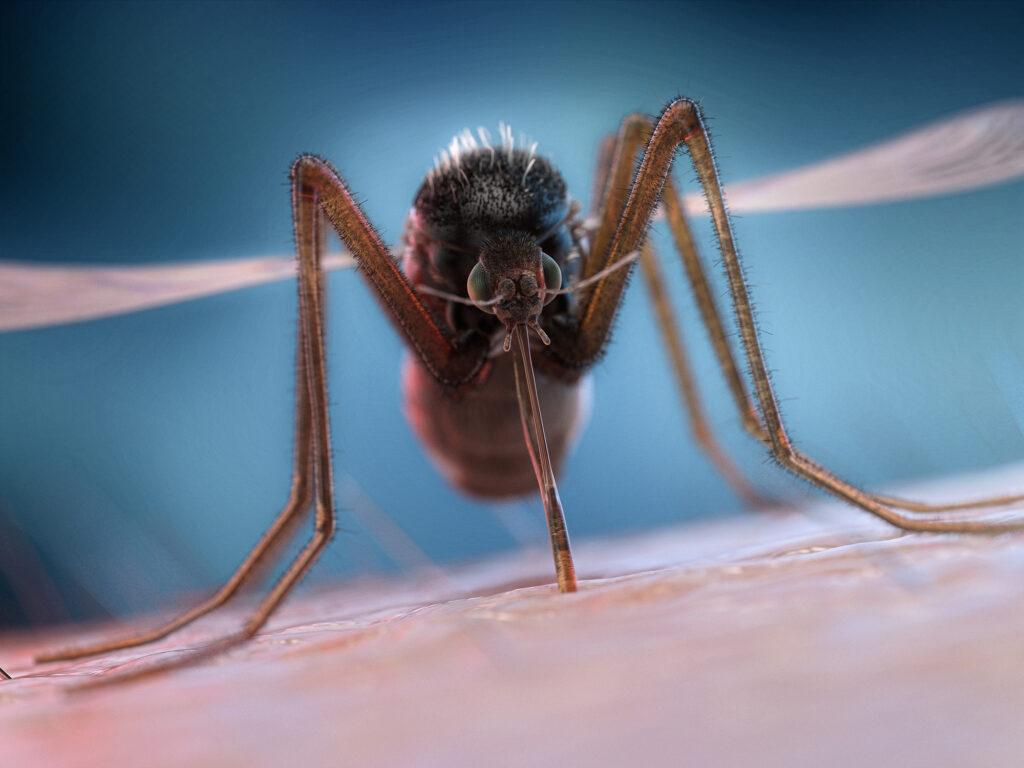
Amidst the pantheon of lethal insects, the humble mosquito reigns supreme. While its buzzing may invite annoyance rather than fear, its ability to transmit deadly pathogens is unparalleled. Responsible for the spread of diseases like malaria, dengue fever, and Zika virus, the mosquito has circumvented countless efforts at eradication. With an estimated 725,000 human fatalities each year, these minuscule vectors are not just nuisances; they are agents of mortality.
2. The Tsetse Fly
Cloaked in a deceptively serene existence, the tsetse fly poses a grave threat to human health, particularly in sub-Saharan Africa. Transmitting the parasite responsible for sleeping sickness, the fly’s bite can lead to severe neurological consequences and ultimately death if left untreated. With an estimated 10,000 deaths annually, the tsetse fly boasts a rather macabre reputation, firmly establishing its status among nature’s most formidable foes.
3. The Kissing Bug
Inhabiting regions throughout the Americas, the kissing bug is not a romantic figure but a deadly vector for Chagas disease. Known for its nocturnal feeding habits, the kissing bug bites its host and defecates, introducing the Trypanosoma cruzi parasite into the bloodstream. Chagas disease can lead to severe cardiac complications and is responsible for approximately 12,000 fatalities each year. This insect serves as a reminder that even the most innocuous-seeming creatures can harbor dire consequences.
4. The Yellow Fever Mosquito
Slightly more specific than its close relative, the yellow fever mosquito, Aedes aegypti, is a notorious spreader of various viral diseases, including yellow fever itself. With intricate patterns and a penchant for urban environments, this mosquito thrives in areas densely populated with humans. The yellow fever virus can lead to severe liver damage and death, claiming thousands of lives annually, illustrating the intricate dance between nature and human habitation.
5. The Fire Ant
Small yet fierce, fire ants are notorious for their aggressive behavior and painful stings. While the immediate discomfort caused by their bites is acute, the real danger arises from severe allergic reactions in susceptible individuals. Anaphylactic shock can ensue, resulting in fatalities. With fire ants proliferating in many regions, their potential for harm cannot be overlooked, marking them as a significant threat in their own right.
6. The Black Widow Spider
Though technically an arachnid, the black widow spider warrants inclusion in this discussion of deadly insects due to its significant interactions with humanity. Characterized by her glossy black body and an ominous hourglass marking, the female black widow possesses venom that can cause extreme pain, muscle cramps, and respiratory failure in rare cases. While fatalities are relatively uncommon due to available antivenom, the psychological trauma associated with encounters is undeniably potent.
7. The Asian Giant Hornet
Considered the world’s largest hornet, the Asian giant hornet is a formidable foe with a venom that can cause severe pain and, in certain instances, even death. Capable of dispatching honeybee colonies with frightening efficiency, its population has made inroads into Western territories, raising concerns among apiarists and the general public alike. Responsible for a handful of fatalities each year, its sheer size and aggressive defense mechanism amplify its lethal potential.
8. The Assassin Bug
Known for its cunning predatory behavior, the assassin bug may not immediately inspire fear, but its impact is certainly noteworthy. This insect also serves as a vector for Chagas disease, like the kissing bug, and can deliver a painful bite that introduces harmful pathogens. Its capacity to stealthily stalk and eliminate prey presents a testament to nature’s design, blending beauty with the potential for peril.
9. The Horsefly
A common sight in rural areas, horseflies exhibit remarkable tenacity in their pursuit of blood meals. These notorious biters can inflict excruciating pain with their robust mouthparts. While not deadly in every case, their propensity to transmit diseases like anthrax and tularemia makes them a threat to livestock and humans alike. Their unrelenting nature and opportunistic feeding habits underscore the delicate balance in ecosystems where predators and prey coalesce.
10. The Beetle (Various Species)
Some beetles may appear benign, yet certain species carry the potential to wreak havoc. For instance, the blister beetle secretes a toxic compound that can be harmful if ingested. In agricultural settings, their ingestion by livestock can lead to serious health complications and agricultural losses. Furthermore, the sheer variety of beetles worldwide means that many remain understudied, potentially concealing threats yet undiscovered.
In conclusion, the intricacies of our planet’s ecosystems often prompt us to overlook the minute creatures that inhabit them. Insects, while integral to various environmental processes, can also unleash unwarranted devastation against humankind. This exploration into the top 10 deadliest insects serves as a stark reminder of nature’s duality—its beauty juxtaposed with its capacity for destruction. With knowledge comes power, empowering us to take informed measures to coexist with these often underestimated inhabitants of our world.
FAQ
What is the deadliest insect to humans?
The mosquito is considered the deadliest insect to humans due to its role in transmitting deadly diseases like malaria, dengue fever, and Zika virus, causing an estimated 725,000 deaths annually.
How do insects kill humans?
Insects kill humans primarily through the transmission of diseases, venomous bites or stings, and triggering allergic reactions such as anaphylaxis.
Are spiders considered insects?
No, spiders are arachnids, not insects. However, some arachnids like the black widow spider are often discussed alongside deadly insects due to their venomous nature.
Can all beetles be deadly to humans?
Not all beetles are deadly, but certain species like blister beetles produce toxins harmful to humans and livestock, potentially causing health complications.





Leave a Reply