
Short Answer
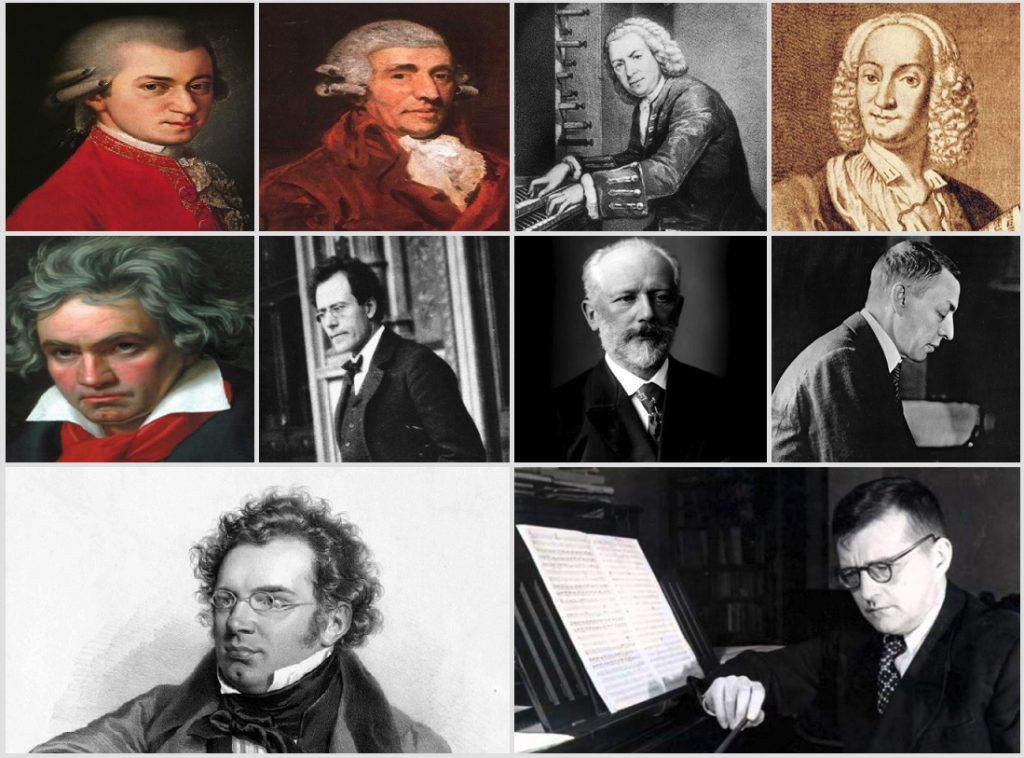
Music is a universal language, one that transcends cultures and eras, with the finest composers leaving an indelible mark on the human experience. Their remarkable genius transforms the very fabric of sound into the ethereal. This article delves into the top ten composers of all time, arresting over a millennium of musical evolution. From the grandeur of the Baroque period to the emotive depths of Romanticism, the essence of each composer resonates with creativity and innovation.
1. Johann Sebastian Bach (1685-1750)
Considered the epitome of the Baroque era, J.S. Bach’s oeuvre encompasses intricate fugues, exquisite oratorios, and masterful concertos. His ability to weave complex contrapuntal lines is unparalleled. The “Brandenburg Concertos” illustrate virtuosity and charm, while “The Well-Tempered Clavier” stands as a monumental study in keyboard technique. Bach’s music embodies structural perfection, filled with emotional depth, and profound spirituality that continues to inspire musicians today.
2. Ludwig van Beethoven (1770-1827)
A titan of the Classical and early Romantic periods, Beethoven drastically redefined musical conventions. His symphonies, especially the iconic Fifth and Ninth, exhibit dramatic flair and thematic development that’s simply unmatched. The “Moonlight Sonata” encapsulates his ability to convey deep emotion through simplicity, leading into the complexities of his later work, which displays a striking blend of innovation and tradition. Beethoven’s relentless pursuit of artistic integrity and emotional truth made him a pivotal figure in the transition from Classical elegance to Romantic expressiveness.
3. Wolfgang Amadeus Mozart (1756-1791)
The prodigious Mozart, a watershed figure in Western music, was a master of melody and a virtuoso of compositional form. His operas, including “The Magic Flute” and “Don Giovanni,” highlight his exceptional ability to blend dramatic intensity with sublime musicality. With over 600 works to his name, Mozart’s unwavering lyrical genius and structural precision in symphonies and chamber music solidified his position as an immortal luminary in the pantheon of classical music.
4. Pyotr Ilyich Tchaikovsky (1840-1893)
Renowned for his emotive melodies and lush orchestrations, Tchaikovsky’s work encapsulates the spirit of Romanticism. Tours through “Swan Lake” and “The Nutcracker” demonstrate his extraordinary ability to evoke the sublime through music. His Sixth Symphony, “Pathétique,” is especially notable for its exploration of profound sadness, encapsulating the depths of the human experience. Tchaikovsky’s unique fusion of Russian folk themes with Western classical traditions provides a distinctive and mesmerizing palette that continues to resonate with listeners.
5. Johannes Brahms (1833-1897)
Brahms, often viewed as a traditionalist and modernist simultaneously, was a composer of unparalleled depth and complexity. His symphonies and chamber music exhibit meticulous craftsmanship and profound emotionality. Works like “A German Requiem” reveal his theological introspection, while his “Hungarian Dances” showcase remarkable rhythmic vitality. Brahms’ duality—a master of forms and a champion of deep sentiment—set a new benchmark for subsequent generations, blending the old with the innovative.
6. Claude Debussy (1862-1918)
Regarded as the father of Impressionism in music, Debussy shattered the tonal constraints of traditional forms, paving the way for modern music. His acclaimed work “Clair de Lune” captures the essence of ethereal beauty through fluid harmonies and innovative scales. Pieces like “La Mer” illustrate his ability to evoke imagery and emotion through sound, making the listener feel as if they are experiencing the essence of nature itself. Debussy’s revolutionary use of timbre and texture redefined musical expression, inspiring countless composers in his wake.
7. Igor Stravinsky (1882-1971)
An iconoclastic figure of the 20th century, Stravinsky reshaped the landscape of music with his audacious rhythmic structures and vivid orchestration. His ballet “The Firebird” established him as a formidable composer early in his career, while “The Rite of Spring” served as a revolutionary milestone, inciting a riot upon its premiere. Stravinsky’s ability to fuse disparate musical elements into a coherent and exhilarating tapestry of sound exemplifies his status as a trailblazer in modern classical music.
8. Arnold Schoenberg (1874-1951)
Schoenberg, a revolutionary figure in the realm of atonal music and the twelve-tone technique, challenged the very foundations of tonality. His groundbreaking works, such as “Pierrot Lunaire,” showcase a radical departure from traditional melodic and harmonic conventions. Schoenberg’s explorations into expressionism were pivotal in pushing the boundaries of artistic expression, influencing an array of subsequent composers eager to redefine musical language.
9. Aaron Copland (1900-1990)
Often hailed as the quintessential American composer, Copland captured the essence of the American spirit through his music. His scores for ballets like “Appalachian Spring” and “Billy the Kid” evoke the expansive landscapes and pioneering ethos of America. Utilizing folk tunes and simple, yet profound, harmonies, Copland’s compositions resonate with a sense of optimism and openness, characterizing the American experience and emotions during the 20th century.
10. Leonard Bernstein (1918-1990)
A multitalented conductor, composer, and educator, Bernstein’s contributions to music transcend genres. His Broadway classic “West Side Story” illustrated a seamless fusion of classical and popular music, showcasing his genius in vocal and orchestral arrangements. Bernstein’s symphonic works, infused with jazz influences, reflect his extensive versatility and profound musical intelligence. His ability to communicate the depths of human emotion through diverse styles makes him a timeless figure in contemporary music history.
In conclusion, the legacies of these top ten composers endure through their masterpieces, each contributing uniquely to the rich tapestry of musical heritage. Their groundbreaking innovations and emotive stylings continue to inspire, challenge, and transport audiences around the globe. As we explore their works, we not only experience the beauty of their compositions but also gain insight into the cultural and historical contexts that shaped their artistry. Music is not just art; it is an intimate journey through the emotions that define the human condition.
FAQ
Who is considered the greatest composer of all time?
While subjective, Johann Sebastian Bach, Ludwig van Beethoven, and Wolfgang Amadeus Mozart are frequently cited as the greatest composers due to their profound influence and prolific output.
What musical periods do the top composers represent?
The top composers span musical periods including Baroque, Classical, Romantic, Impressionist, and 20th-century modernism.
Why is Beethoven important in classical music?
Beethoven bridged the Classical and Romantic eras, expanding musical forms and emotional expression, influencing generations of composers.
What contributions did Debussy make to music?
Debussy pioneered musical Impressionism, introducing new harmonic textures and tonal colors that broke from traditional Western tonal harmony.
How did Stravinsky impact modern music?
Stravinsky revolutionized rhythm and orchestration, notably with works like ‘The Rite of Spring’, which challenged traditional musical norms and inspired modern classical music.






Leave a Reply