
Short Answer
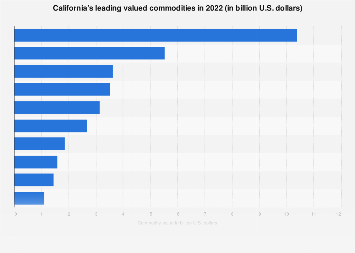
California is a cradle of agricultural innovation and diversity, seamlessly blending its rich history with cutting-edge technology to produce a vast array of commodities. The state, known for its fertile soil and climate variability, is not only the largest agricultural producer in the United States but also a global powerhouse in numerous sectors. This article delves into the top ten commodities cultivated in California, providing insights into their significance, production methods, and economic impact.
1. Almonds
Domineering the nut market, California is synonymous with almond production. Blending exceptional flavor with health benefits, almonds have earned a devoted following among consumers seeking nutritious snacks. The state accounts for over 80% of the global supply, fueled by its ideal Mediterranean climate, which offers long, hot summers and mild, wet winters. The process of harvesting involves mechanical shakers that gently dislodge almonds from their trees, ensuring minimal disruption to the surrounding ecosystem.
2. Grapes
Renowned for its wine industry, California produces an astonishing variety of grapes, both table and wine varieties. The Napa and Sonoma valleys are famed for their premium vineyards, showcasing the art and science of winemaking. The diversity of microclimates throughout the state allows for a multitude of wine profiles. Beyond wine, table grapes flourish, providing fresh produce to grocery stores across the nation. The intricate labor of hand-picking grapes is a testament to the care and passion that goes into each bottle.
3. Strawberries
California leads the charge in strawberry cultivation, producing nearly 90% of the nation’s supply. The coastal climate creates an ideal environment for growing sweet, succulent berries that delight consumers year-round. Harvesting typically occurs from early spring through late fall. Technologies such as plasticulture—using plastic sheets to control weeds and retain moisture—have revolutionized production methods, making them more sustainable and efficient while enhancing fruit quality.
4. Lettuce
Lettuce varieties thrive across California’s rich agricultural landscape. From crisp romaine to buttery leaf, these greens are staples in salads and culinary dishes worldwide. The Salinas Valley, often dubbed the “Salad Bowl of the World,” is pivotal in lettuce production. Innovative farming techniques, including drip irrigation, are employed to optimize water efficiency, a crucial factor in the state’s varying drought conditions.
5. Walnuts
Walnut farming has burgeoned into a significant sector within California’s agricultural economy, with the state being the leading producer of English walnuts in the U.S. These nutrient-packed nuts are harvested in the fall, with growers employing mechanical harvesters to facilitate the process. The versatility of walnuts extends into culinary applications, authenticating their place in health trends and plant-based diets. Sustainable farming practices are increasingly being adopted to preserve the environment while enhancing yield.
6. Avocados
The creamy, rich avocados have seen a meteoric rise in popularity, with California accounting for a significant portion of U.S. production. The temperate climate and well-draining soil provide optimal conditions for this beloved fruit. Avocado growers often utilize methods that prioritize sustainability, such as integrated pest management. The labor-intensive harvesting process involves a delicate touch to ensure the fruit is picked at the right ripeness to meet consumer demand.
7. Tomatoes
California’s tomato industry is a cornucopia of flavors, leading the nation in both fresh and processing tomatoes. The San Joaquin Valley’s fertile soil supports high-yield varieties, which are essential for sauces, pastes, and salsas. The sun-drenched fields and innovative agricultural practices contribute to high-quality produce that meets both local and international markets. With the advent of blockchain technology in supply chain management, transparency and traceability in tomato production have improved dramatically.
8. Rice
California cultivates a unique variety of short-grain rice, primarily grown in the Sacramento Valley. The state’s rice is integral to the culinary fabric of Asian cuisines and has a growing demand in health-conscious markets. Through water conservation techniques and organic farming practices, California rice farmers are responding to environmental challenges while ensuring quality and competitive pricing. Harvesting usually takes place in the fall after the rice plants turn golden and mature.
9. Oranges
California’s citrus industry, particularly orange production, plays a crucial role in the state’s agricultural profile. Navel and Valencia oranges dominate the landscape, with bright flavors cherished across the globe. The production methods embrace modern agricultural practices, including pest management and advanced irrigation systems, to withstand the challenges of climate change. The fresh fruit market and juice industry rely heavily on these citrus varieties for their unique taste and robust nutritional profile.
10. Cattle
The livestock sector, particularly beef cattle, forms a significant part of California’s agricultural economy. The state’s diverse landscapes provide various grazing habitats, enabling high-quality beef production. Sustainable ranching practices are increasingly adopted, focusing on animal welfare and environmental stewardship. California beef’s premium quality caters to gourmet markets and health-conscious consumers, asserting its position as a major player in the national beef industry.
In conclusion, the breadth of commodities cultivated in California reflects not only the state’s versatile agricultural prowess but also its ability to adapt to the changing demands of consumers. Each commodity plays a pivotal role in shaping California’s economy and culinary landscape, from almonds to oranges. As agricultural practices evolve amidst environmental challenges, the state’s farmers continue to innovate, ensuring that California remains at the forefront of global agricultural production.
FAQ
Which commodity does California produce the most of globally?
California produces over 80% of the world's almonds.
What role does technology play in California agriculture?
Technologies like mechanical harvesters, plasticulture, drip irrigation, and blockchain enhance efficiency, sustainability, and traceability in California agriculture.
How does California address environmental challenges in farming?
Farmers use sustainable practices such as water conservation techniques, integrated pest management, and organic farming to adapt to environmental challenges.





Leave a Reply