
Short Answer
Have you ever gazed at a map and wondered about the colossal expanses of water that grace our Earth? Imagine a friendly competition where you could test your knowledge of the mightiest lakes in the US and around the globe. Which is truly the largest? In 2026, the race is still on as we dive into the depths of the top ten biggest lakes, exploring their majesty, biodiversity, and unique ecosystems. These vast bodies of water are more than mere geographical features; they are vibrant ecosystems teeming with life and history. So let’s embark on this aquatic adventure!
1. Lake Superior
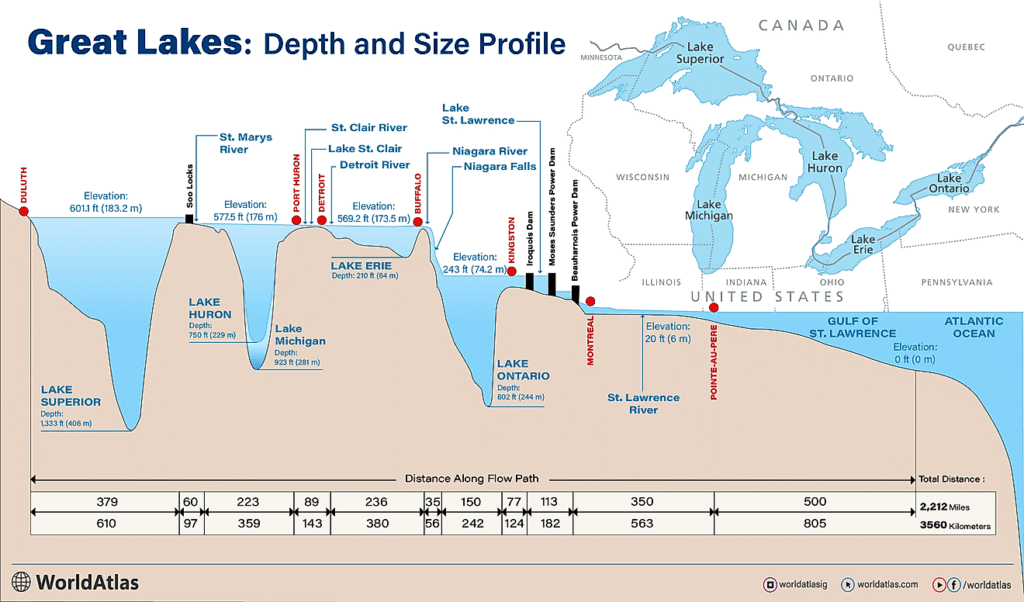
Starting our journey in North America, Lake Superior reigns supreme as the largest freshwater lake by area in the world. Spanning over 31,700 square miles, its crystal-clear waters are a dazzling blue, reflecting the sky like a vast mirror. Located on the borders of the United States and Canada, it holds approximately 3,000 cubic miles of water. The lake is not just a pretty face; it supports a plethora of biodiversity, including over 80 species of fish, from the elusive lake sturgeon to the robust northern pike. Historically, Lake Superior has served as a vital trade route for Indigenous peoples and European settlers, fostering a rich cultural tapestry.
2. Lake Victoria
Next on our list is Lake Victoria, the largest tropical lake and the second-largest freshwater lake in the world. Nestled in East Africa, it spans approximately 26,600 square miles. This sprawling lake is a cultural hub, lying within the boundaries of Uganda, Kenya, and Tanzania. Lake Victoria is famed for its stunning biodiversity, most notably its unique species of cichlid fish, many of which are found nowhere else on the planet. Here, ecological challenges loom large due to overfishing and pollution, creating a pressing need for conservation efforts.
3. Lake Tanganyika
Further south, we encounter Lake Tanganyika, the longest freshwater lake in the world. This jewel of Africa extends for about 420 miles and covers an area of roughly 12,700 square miles. A haven for scientists, Lake Tanganyika is home to countless endemic species, providing invaluable insights into evolutionary biology. Its depths reveal a wealth of mysteries, as it reaches up to 4,800 feet deep, making it the second-deepest lake globally, surpassed only by Russia’s Baikal Lake.
4. Caspian Sea
The Caspian Sea, despite its name, is technically the largest enclosed inland body of water on Earth, often classified as a lake. This vast expanse spans about 143,000 square miles, bordering five countries: Russia, Kazakhstan, Turkmenistan, Iran, and Azerbaijan. The Caspian Sea’s brackish waters are home to diverse ecosystems, including the critically endangered beluga sturgeon. Its unique geological history, rich in oil and natural gas, has spurred economic activities in the region while simultaneously creating environmental dilemmas.
5. Lake Huron
Continuing in North America, Lake Huron, the second-largest of the Great Lakes, boasts an impressive area of around 23,000 square miles. It is distinguished by its myriad islands, notably Manitoulin Island, the largest freshwater island in the world. The lake is not just a recreational paradise; it is also crucial for the surrounding communities, providing fishing, shipping routes, and tourism opportunities. The stunning shoreline, dotted with charming towns, invites visitors to explore its pristine beaches and vibrant ecosystems.
6. Lake Michigan
Uniquely located entirely within the United States, Lake Michigan is the only Great Lake that does not touch Canada. With an area of about 22,300 square miles, this lake captivates with its vastness and natural beauty. The cities of Chicago and Milwaukee hug its shores, contributing to its cultural significance. Lake Michigan is known for its stunning sunsets and recreational activities, from sailing to fishing. Its waters support numerous ecosystems, although they face challenges from invasive species and pollution.
7. Lake Erie
Lying to the east of Lake Michigan is Lake Erie, the fourth largest Great Lake by surface area, covering about 9,910 square miles. Despite being the smallest of the Great Lakes, it carries heavy ecological significance. Lake Erie is often referred to as the “poultry house” of the Great Lakes due to its productive fisheries. However, this productivity has led to issues with algal blooms, spurred by agricultural runoff, making conservation efforts critical for maintaining its health.
8. Lake Ontario
Completing the Great Lakes lineup is Lake Ontario, measuring around 7,340 square miles in area. It serves as the gateway to the Saint Lawrence River, facilitating trade and travel to and from the Atlantic Ocean. The lake is known for its urban landscapes, including Toronto and Rochester. A haven for various migratory birds, Lake Ontario is crucial for avian populations and features diverse waterfront habitats, making it a focal point for birdwatchers and ecologists alike.
9. Lake Baikal
Venturing to Siberia, Lake Baikal emerges as the world’s deepest and oldest freshwater lake, plunging to depths exceeding 5,300 feet. With an area of about 12,300 square miles, Baikal is a UNESCO World Heritage site, renowned for its unparalleled biodiversity, including the Baikal seal, unique to this ecosystem. As a reservoir of 20% of the world’s unfrozen freshwater, Baikal serves as a vital resource, emphasizing the importance of preserving such natural wonders.
10. Great Bear Lake
Finally, Great Bear Lake in Canada rounds off our list. Covering approximately 12,200 square miles, it is the largest lake entirely within Canadian borders. Renowned for its serene beauty and remoteness, Great Bear Lake is a sanctuary for wildlife and a site of rich Indigenous heritage. The lake’s clean waters support a rich array of fish species, making it a popular destination for fishing enthusiasts.
As you immerse yourself in the wonders of these lakes, consider this potential challenge: how many can you name before looking? Each of these colossal water bodies narrates a story of natural beauty, ecological significance, and historical importance. Their enduring legacies urge us to appreciate and protect these irreplaceable aquatic ecosystems for generations to come.
FAQ
What is the largest freshwater lake in the world?
Lake Superior is the largest freshwater lake by surface area, covering over 31,700 square miles.
Which lake is the deepest and oldest freshwater lake?
Lake Baikal in Siberia is the deepest and oldest freshwater lake, reaching depths over 5,300 feet.
Why is the Caspian Sea considered a lake?
Despite its name, the Caspian Sea is classified as the largest enclosed inland body of water, often considered a lake due to its enclosed basin.
What are common ecological threats to these large lakes?
Common threats include pollution, overfishing, invasive species, algal blooms, and habitat degradation.




Leave a Reply