
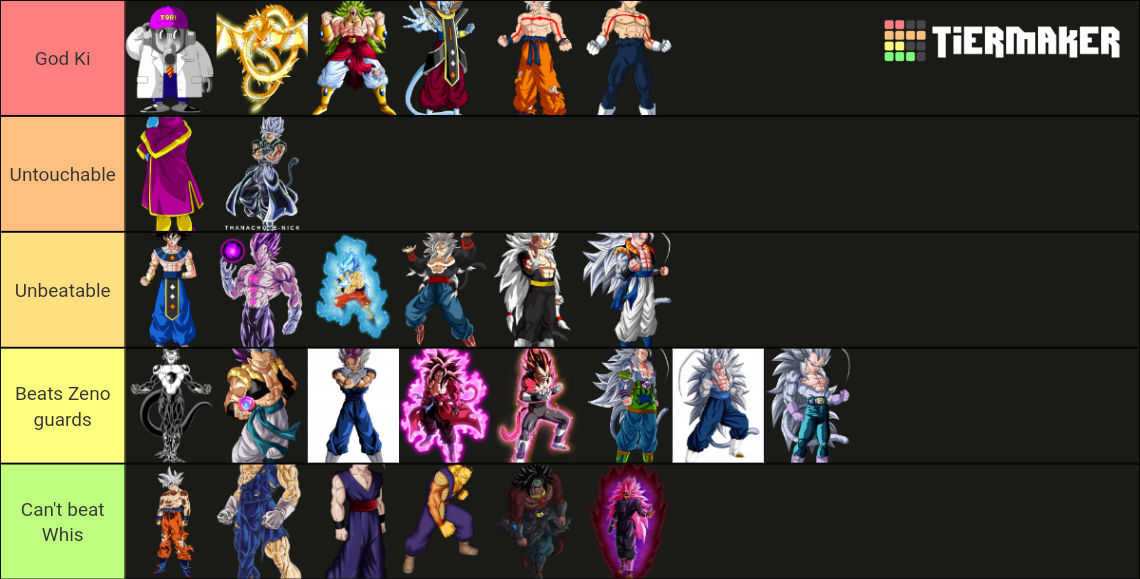
Dragon Ball Z is a monumental franchise that has captivated fans across the globe with its intricate narratives and dynamic character development. Central to this fascination is the compelling nature of its fierce combatants. Strength in Dragon Ball Z is not simply a measure of brute force but often intertwined with resolve, transformation, and the psyche of the individual. As we delve into this formidable universe, we must recognize how these characters embody various facets of power and resilience. Here, we explore the top 10 most powerful Dragon Ball Z characters ever, each contributing to the rich tapestry of this beloved saga.
1. Goku (Ultra Instinct)
Goku stands as the quintessential hero of the Dragon Ball series, but his potential reaches new heights with the Ultra Instinct transformation. This state transcends mere power; it represents the mastery of reflexive combat. Within this form, Goku achieves a celestial level of agility and strength, moving beyond instinct to react automatically to incoming threats. Such an evolution underscores not just physical prowess but a profound psychological breakthrough that resonates deeply with viewers striving for self-actualization.
2. Vegeta (Royal Blue)
No character encapsulates the theme of rivalry more than Vegeta. His evolution from a ruthless villain to a stalwart protector is nothing short of remarkable. In his Royal Blue form, he attains formidable strength that rivals even Goku’s most potent transformations. Beyond brute force, Vegeta’s character portrayal explores themes of redemption, pride, and unyielding determination, making him a complex figure whose journey mirrors the viewer’s aspirations for growth.
3. Beerus (God of Destruction)
As the God of Destruction, Beerus embodies the concept of ultimate power – a force capable of annihilation. His whimsical yet devastating demeanor emphasizes a nuanced relationship with strength, representing the balance of creation and destruction. Beerus’ presence serves as a pivotal narrative device, challenging the Z fighters to push their limits and confront their own existential dilemmas, thus enriching the series’ philosophical undertones.
4. Frieza (Final Form)
Frieza, a perennial antagonist, showcases a cunning ruthlessness that distinguishes him from more straightforward opponents. His final form remains one of the most powerful in the series, amplifying not just physical intensity but a psychological battleground. Frieza’s cold-blooded ambition reflects deeper societal themes, such as the thirst for power and the moral quandaries surrounding dominion, resonating profoundly with audiences who witness the consequences of unbridled ambition.
5. Cell (Complete Form)
Cell, the bio-engineered villain, epitomizes the ultimate synthesis of adaptability and evolution. His ability to absorb others’ powers creates a unique avenue of strength that engages with themes of identity and transformation. The existential horror surrounding Cell invites introspection on the nature of power, highlighting the perils of hubris when one pursues strength at the expense of their own humanity.
6. Majin Buu (Kid Buu)
Kid Buu, in his original form, embodies chaos and sheer power. His mutable body and unpredictable behavior reflect a raw energy that is almost primal. As the conceptualization of destruction, Buu’s character tantalizes audiences with the possibility of pure, unadulterated strength. His explosive nature serves as a foil to more calculated fighters, reinforcing the theme that power is not merely about aggression – it also involves defiance and unpredictability.
7. Gohan (Ultimate Form)
Gohan’s evolution from a timid child into a powerful warrior exemplifies the complexities of inheriting strength and the burden that often comes with it. Upon attaining his Ultimate Form, Gohan becomes a symbol of potential realized, reflecting personal growth and overcoming adversity. His journey resonates deeply with fans, highlighting the balance between power and responsibility, a poignant narrative that reminds viewers of their own battles in the quest for self-improvement.
8. Whis (Angel)
As Beerus’ angelic attendant, Whis represents a different tier of strength altogether. His combat prowess and ability to manipulate time offer a unique perspective on power dynamics. Whis embodies a serene wisdom that contrasts sharply with the chaos often experienced by other characters, emphasizing that true strength is not merely physical but also intellectual and emotional. His guidance reinforces the importance of mentorship and learning, key elements that contribute to personal and communal growth.
9. Jiren (The Pride Trooper)
Jiren’s character introduces a new tier of strength that challenges even the Z fighters. His unwavering resolve and philosophy of strength through solitude push the boundaries of what it means to be powerful. Jiren’s challenges force our heroes to confront their vulnerabilities and refine their motivations. This existential struggle to balance power with connection speaks volumes to audiences grappling with their own perceptions of strength in their lives.
10. Broly (Full Powered)
Broly, notably introduced as an unstoppable force, cuts through the series with his overwhelming strength. His narrative is another exploration of power’s duality – both as a tool for protection and as a vehicle for destruction. Broly’s struggle with control and acceptance resonates on an emotional level, highlighting how strength can often lead to isolation if not channeled properly. His character serves as a reminder that true power often lies in self-acceptance and finding one’s place amidst chaos.
In conclusion, the Dragon Ball Z universe is a rich ambiance of storytelling where power extends beyond mere combat. Each character embodies complexities that resonate with audiences on various levels, reflecting broader themes of personal growth, ambition, and transformation. Whether as protagonists, antagonists, or neutral forces, these characters challenge the notion of strength and draw us into their multifaceted journeys, reminding us that real power often lies within. It is this profound connection to the characters and their narratives that cements Dragon Ball Z as a timeless classic in the realm of animated storytelling.










Leave a Comment