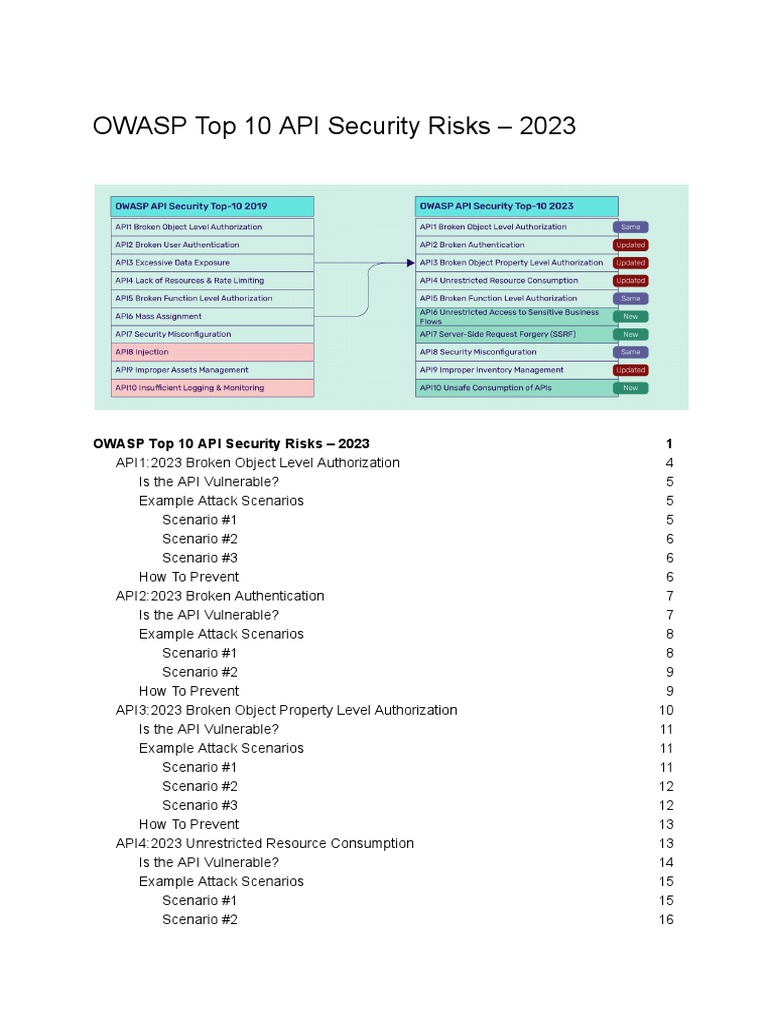
The digital landscape is ever-evolving, and with it comes a myriad of opportunities for developers and businesses to leverage the power of APIs. However, the very gateways that enhance productivity and connectivity also open up pathways for cybercriminals. As we delve into the OWASP Top 10 API Security Risks, understanding what vulnerabilities exist, and how hackers exploit them reveals much about the current cybersecurity climate and the need for a robust defenses strategy.
1. Broken Object Level Authorization
Imagine a world where every request made to an API could be maliciously crafted to access forbidden data. This is the essence of broken object level authorization. When APIs fail to validate that a user has permission to access specific resources, attackers can manipulate endpoints to view sensitive data belonging to other users. Organizations must ensure that they implement stringent checks to authenticate every request based on the subject’s authorization, mitigating the chances of unauthorized data retrieval.
2. Broken User Authentication
In many cases, poorly implemented authentication mechanisms allow attackers to impersonate legitimate users. This vulnerability often manifests through inadequate password storage, lack of multi-factor authentication, or insufficient session management. Attackers exploit these flaws to gain unauthorized access, elevating their privileges and causing significant harm. Employing robust authentication protocols, such as OAuth and leveraging password hashing techniques, can dramatically reduce these risks.
3. Excessive Data Exposure
The allure of data often tempts developers into exposing more information than necessary through their APIs. Excessive data exposure can occur when responses inadvertently include sensitive information that should be restricted. Security lies in the principle of least privilege; APIs need to be designed to return only the requisite data per request. Employing data filtering or sanitization techniques ensures sensitive information remains securely cloaked from prying eyes.
4. Lack of Resources and Rate Limiting
APIs are susceptible to resource exhaustion, a scenario where attackers flood endpoints with requests, potentially leading to denial-of-service attacks. Without implementing strict rate limiting, APIs can be overwhelmed, rendering services inoperable and disrupting business operations. Organizations should adopt throttling configurations to manage request rates, enabling them to mitigate overload scenarios and ensure sustained availability.
5. Broken Function Level Authorization
Function level authorization refers to the enforcement of proper access controls at various levels of an application. When APIs fail to securely implement these controls, it opens a Pandora’s box for attackers. They can exploit function level flaws to call backend methods without appropriate permissions. It is paramount that developers routinely audit function-level access and ensure that every endpoint is secured against unauthorized usage.
6. Mass Assignment
This vulnerability occurs when APIs allow for unvalidated parameters, permitting attackers to supply unexpected data. By exploiting mass assignment, a hacker can manipulate objects with additional parameters, potentially changing account roles or attributes. Developers can combat this by explicitly defining and validating acceptable parameters, safeguarding against unexpected data alterations.
7. Security Misconfiguration
One of the most insidious risks is security misconfiguration, which can stem from various sources—default settings, incomplete setups, or overly permissive permissions. Each of these factors can lead to vulnerabilities that hackers exploit with relative ease. Ensuring consistent and thorough configuration management, along with routine security reviews, can mitigate risks associated with misconfiguration, maintaining a resilient security posture.
8. Injection Flaws
Injection flaws, notably SQL, NoSQL, or command injections, invite attackers to manipulate the API’s processing commands. By injecting malicious code into an API’s request, hackers can execute arbitrary commands, leading to unauthorized data access or even full system compromise. Developers should utilize prepared statements or ORM frameworks, effectively neutralizing the threat posed by malicious inputs.
9. Improper Assets Management
APIs exist in a vast ecosystem of interconnected applications, and improper management of these assets can lead to an unsecured environment. Unused or outdated APIs may be left exposed, providing attackers with unforeseen opportunities. Organizations need to maintain a comprehensive inventory of their APIs, regularly decommissioning unused APIs and ensuring that version management practices are in place to limit exposure.
10. Insufficient Logging and Monitoring
Even the most fortified APIs can be compromised without proper logging and monitoring practices. Insufficient observability means organizations often remain unaware of breaches until much later, amplifying the potential damage. Robust logging mechanisms should be instituted to track access and changes, while real-time monitoring can facilitate rapid response to suspicious activities, thus enabling organizations to pivot toward a proactive engagement strategy in threat management.
The fight against API vulnerabilities is ongoing, and as cyber threats evolve, so too must the strategies employed to thwart them. By comprehensively understanding and addressing the OWASP Top 10 API Security Risks, organizations can not only bolster their defenses but also create a more secure digital environment for their users. As the landscape continues to shift, a proactive and knowledgeable approach to API security is paramount, ensuring that business operations remain resilient against the ever-looming threat of cybercrime.











Leave a Comment