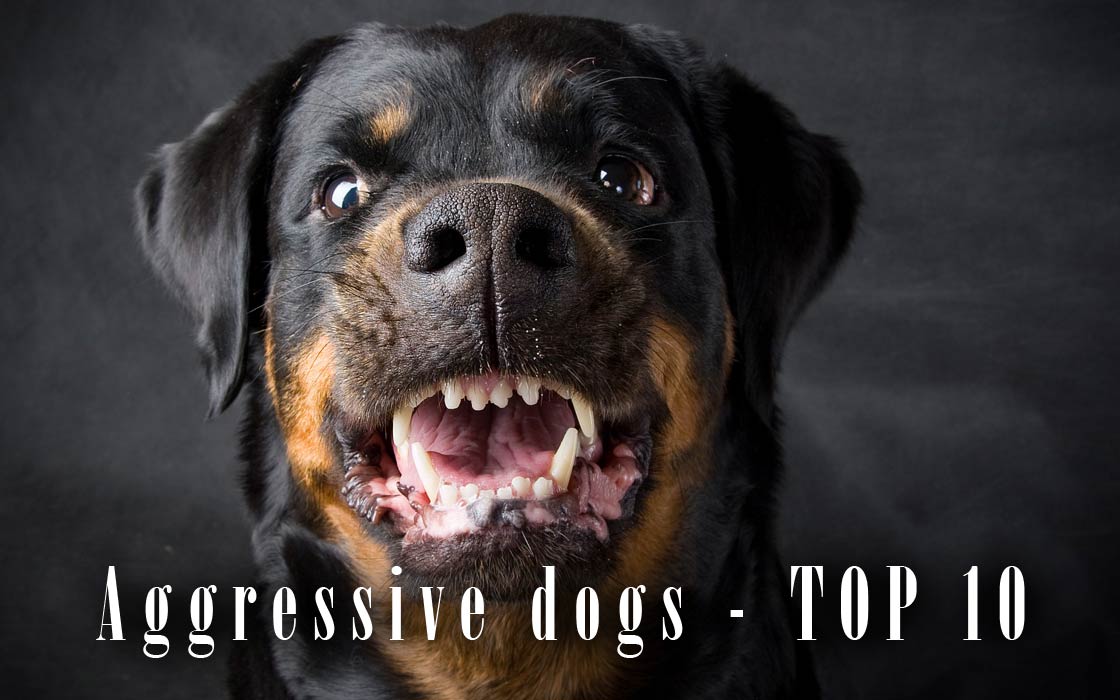
Throughout history, dogs have been celebrated as wise protectors and beloved companions. Yet, the perception of certain breeds often veers toward the notion of inherent aggression. This leads one to ponder: Are we misjudging these animals, or do they truly possess an underlying propensity for trouble? In this article, we will explore ten breeds often labeled as “aggressive,” examining their traits and behaviors to determine whether they are, in fact, fierce guardians or simply misunderstood souls.
1. American Pit Bull Terrier
The American Pit Bull Terrier is perhaps one of the most contentious breeds in discussions surrounding aggression. With their powerful build and exuberant energy, they can intimidate. Yet, behind their muscular facade lies a breed known for its loyalty and affection towards humans. While their strength can pose risks if not socialized properly, many Pit Bulls exhibit a playful demeanor and a deep-seated love for family. The real challenge lies in proper training and social interaction from an early age, ensuring they develop into the affectionate companions they are capable of being.
2. Rottweiler
Originally bred for herding and guarding, Rottweilers possess a protective instinct that can be misinterpreted as aggression. Their imposing stature and loyal nature make them excellent guardians, often preferring to remain closely bonded with their human counterparts. However, if not properly socialized, their protective instincts may lead to overly aggressive behavior towards strangers or other animals. The key challenge is to strike a balance between nurturing their protective instincts while fostering their sociability with different environments and individuals.
3. German Shepherd
Renowned for their intelligence and versatility, German Shepherds are often employed in roles such as police and service dogs. This breed is fiercely loyal and protective of its family, which can sometimes translate into aggressive behavior if they perceive a threat. While the potential for aggression exists, diligent training, socialization, and mental stimulation can channel their protective nature positively. Is it aggression or mere vigilance? The distinction lies in their upbringing and environment.
4. Doberman Pinscher
The Doberman Pinscher, with its sleek demeanor and keen intelligence, has garnered a reputation for being a fearless protector. Often viewed as aggressive, their behavior is largely dependent on training. A well-socialized Doberman can be incredibly affectionate and gentle with children, but an unsocialized one may develop territorial tendencies. The challenge presented here is to educate owners on the necessity of proper training and socialization to help these dogs harness their protective traits into positive behavior.
5. Bullmastiff
These gentle giants are often misunderstood due to their imposing size and strength. While Bullmastiffs were originally bred to guard estates, their natural inclination is to be calm and affectionate. They tend to be particularly devoted to their families and can be quite gentle with children. However, lack of proper training can lead to instances of aggression when they feel the need to protect. Thus, the key challenge is ensuring they are well-acquainted with their environment, allowing them to distinguish between legitimate threats and mere strangers.
6. Akita
Akitas are majestic dogs known for their loyalty and bravery. With origins in Japan, they possess a strong guarding instinct. While their loyalty can be commendable, they may exhibit aggressive tendencies towards unfamiliar individuals or animals without proper training and socialization. Training these dogs to recognize appropriate boundaries becomes essential. It raises a question for potential owners: Can they provide the firm, yet loving leadership required to foster balance in these strong-willed creatures?
7. Chihuahua
Surprisingly, even small breeds like the Chihuahua can exhibit aggressive tendencies. Often, small size is misleading, as many Chihuahuas have bold personalities and are fiercely protective of their owners. This breed’s propensity for aggression may stem from over-protectiveness or fear, particularly if they are not socialized properly early on. The challenge for owners is to instill confidence in their Chihuahuas while teaching them that not every stranger is a threat.
8. Siberian Husky
Siberian Huskies are renowned for their striking appearances and spirited temperaments. Although they are not typically classified as aggressive, their high energy levels and independent nature can lead to destructive behavior if left unchecked. Due to their strong prey drive, they may display aggression towards smaller animals. The inherent challenge lies in engaging their intellect and energy through ample exercise and training. As protective yet playful dogs, can they learn to channel their impulses into fun rather than chaos?
9. Saint Bernard
Known for their warmth and gentle demeanor, Saint Bernards are often viewed as friendly giants. However, they can exhibit assertiveness when they feel their family is threatened. Proper training and socialization can mediate any potential aggression, highlighting their natural protectiveness. Do potential owners recognize the need for adequate space and social exposure for the St. Bernard to thrive without crossing the threshold into aggression?
10. American Bulldog
American Bulldogs are powerful and strong-willed, originally bred for utility work. They possess an innate protectiveness over their families but require consistent training and socialization to prevent aggression towards strangers or other pets. Their muscular build might be intimidating, but with the right direction, they can become devoted companions. The challenge comes in harnessing their strength while instilling a sense of discipline – can owners meet these expectations?
In conclusion, the perception of aggression in dog breeds often depends on the training, socialization, and environment provided by their owners. While certain breeds do exhibit protective instincts, it is essential to recognize that aggression is not an inherent trait but rather a potential behavior that can be managed. Understanding and nurturing these traits through positive reinforcement methods are essential to bridging the gap between danger and companionship. If approached with the right mindset and dedication, these breeds can transform from perceived threats into loyal protectors.











Leave a Comment