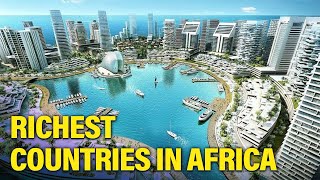
Africa stands as a vivid tapestry woven from diverse cultures, landscapes, and economies. As we delve into the 2024 update of the continent’s wealth, we explore the landscape of the top ten richest countries and their burgeoning economies. This list showcases nations with robust GDPs, rich natural resources, and dynamic market potentials. Here’s an insightful overview designed to provide an engaging glimpse into Africa’s economic powerhouses.
1. Nigeria
Leading the pack, Nigeria boasts the largest economy in Africa with a Gross Domestic Product (GDP) that continues to eclipse all others on the continent. Rich in natural resources, particularly oil and gas, Nigeria’s economy is bolstered by a vibrant telecommunications sector and agricultural diversification. Despite facing challenges such as infrastructural deficits and socio-political instability, its youthful population fuels innovation and consumer demand, making it an attractive hub for investment.
2. South Africa
As the second-largest economy, South Africa is often lauded for its advanced infrastructure and diverse economic framework. The nation is a treasure trove of minerals, especially platinum and gold, significantly contributing to its GDP. Additionally, South Africa’s manufacturing sector, including automotive and machinery production, alongside a buoyant financial services market, enhances its profile. However, high unemployment and inequality remain pressing challenges that need addressing for sustainable growth.
3. Egypt
Egypt stands tall as the third richest nation, with a historical legacy intertwined with a burgeoning economy. The country’s economy is diversified, relying on sectors such as tourism, agriculture, and telecommunications. The recent emphasis on renewable energy and infrastructure projects, particularly the New Administrative Capital, suggest a forward-thinking approach, fostering a climate conducive to foreign investment and economic resilience.
4. Algeria
The Algerian economy is predominantly fueled by hydrocarbon exports, making it one of the leading oil and gas producers in Africa. With substantial reserves, Algeria capitalizes on global energy demands. Recently, efforts to diversify the economy into sectors like renewable energy and tourism have emerged, aiming to reduce dependency on oil. Though bureaucracy and regulatory constraints persist, the potential for growth remains significant.
5. Ethiopia
Once primarily regarded for its agricultural output, Ethiopia has transformed into an economic beacon with rapid growth rates driven by manufacturing and services. The government’s investment in infrastructure, particularly around transportation and energy, has catalyzed this development. Initiatives like the Grand Ethiopian Renaissance Dam signify robust aspirations towards achieving energy independence and economic self-sufficiency.
6. Kenya
Kenya is often considered the economic powerhouse of East Africa, with a dynamic and diversified economy encompassing agriculture, tourism, and financial sectors. Nairobi, its capital, serves as a regional hub for various international organizations. In recent years, technology and innovation have burgeoned, with the “Silicon Savannah” initiative drawing attention for nurturing start-ups and fintech solutions that are changing the dynamics of commerce in the region.
7. Ghana
Ghana has steadily ascended the rankings, thanks to a stable political climate and sound economic policies. With rich deposits of gold and a burgeoning oil sector, it has become a focal point for investment in West Africa. The government’s commitment to enhancing infrastructure and entrepreneurship is evident, as it seeks to propel the nation’s growth trajectory. Additionally, a burgeoning cocoa industry adds another layer to its economic fabric.
8. Angola
Once a paragon of wartime turbulence, Angola is redefining its narrative through substantial economic endeavors, largely driven by its oil exports. Its recent pivot towards diversifying the economy into sectors such as agriculture and tourism reveals strategic foresight. While challenges persist in terms of governance and infrastructure, ongoing investments from foreign entities hint at Angola’s potential for further growth.
9. Tanzania
Renowned for its stunning landscapes and wildlife reserves, Tanzania’s economy remains significantly reliant on agriculture. However, the nation is witnessing a burgeoning mining sector, with gold and natural gas emerging as key contributors to GDP. The government continues to invest heavily in infrastructure, particularly in transportation, which is crucial for facilitating trade and attracting investments, thus enhancing economic prospects.
10. Ivory Coast (Côte d’Ivoire)
Wrapping up the list, Ivory Coast boasts a rapidly growing economy, driven by agriculture, particularly cocoa and cashew exports. The country has demonstrated remarkable resilience and adaptability, showcasing impressive growth rates in recent years. Investments in infrastructure and industry are making headway, as the nation strives to position itself as an economic leader in Francophone West Africa.
In conclusion, Africa’s richest countries in 2024 reflect a varied landscape of economic potential driven by both traditional industries and emerging sectors. Each nation possesses unique attributes, ranging from natural resources to innovative thinkers, allowing them to carve distinct paths on the global economic stage. As these countries navigate their individual challenges, the overarching theme remains one of resilience and potential, promising transformative growth in the coming years.











Leave a Comment